

Government's Role in Managing Risks in Kenya
Discover how the Kenyan government identifies, assesses, and manages risks like natural disasters, economic shocks, and health threats to protect communities 🌍.
Edited By
Laura Mitchell
Supply chain risk management is about spotting and handling threats that can disrupt the flow of goods and services in Kenyan businesses. From unpredictable weather affecting roads to delays in customs clearance, these risks can cause major hiccups for enterprises large and small.
Understanding these hazards is key to keeping your business running without costly interruptions. Practical approaches focus on identifying weaknesses, assessing their impact, and putting measures in place to reduce damage.
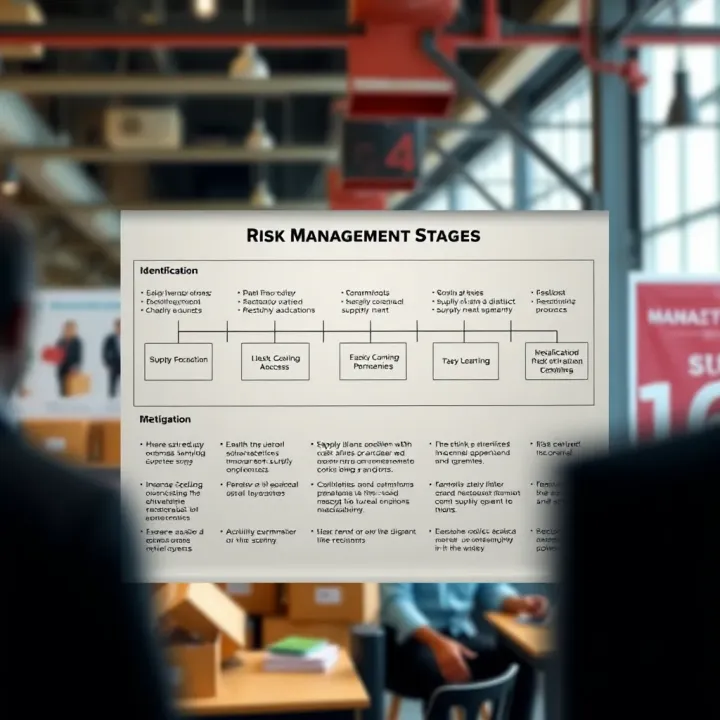
Poor infrastructure such as damaged roads and unreliable transport
Regulatory changes and compliance delays at ports
Currency fluctuations affecting import costs
Supplier insolvency or sudden scarcity of raw materials
Security challenges like cargo theft and vandalism
Building a risk-aware culture helps firms act proactively rather than reactively.
Technology also plays a growing role. For example, GPS tracking for shipments provides real-time updates, allowing quick reroutes when roads are blocked during the long rains. Digital platforms, such as those offered by Safaricom’s M-Pesa, improve payment transparency between suppliers and buyers.
SMEs can benefit from mapping their supply chain to understand where vulnerabilities lie, while large firms often have dedicated teams monitoring risk trends and engaging diversified suppliers.
Overall, supply chain risk management in Kenya isn’t just about avoiding losses. It also supports better planning, stronger supplier relations, and faster recovery when issues arise. Sustainable businesses recognise it as a tool to build resilience amid a tough market environment.
Keeping these concepts practical and locally relevant is the focus of this article, aiming to help investors, traders, and analysts get a clear grip on managing supply chain risks effectively.
Understanding risks in the supply chain is the starting point for any Kenyan business that wants to operate smoothly and avoid unexpected losses. Knowing what kinds of risks can disrupt operations helps companies prepare better and respond quickly when problems arise. This is especially important because supply chains today are complex, relying on multiple parties from suppliers to distributors, often across different regions with varied challenges.
Operational Risks involve disruptions in the day-to-day activities that keep the supply chain moving. For example, machinery breakdowns in a factory or delays in production due to workforce strikes can halt supplies. In Kenya, an example is when factories in industrial areas like Athi River experience power outages, slowing down production. These risks affect delivery timelines and can increase costs if emergency measures are needed.
Financial Risks deal with potential monetary losses a business can face. This includes fluctuating prices of raw materials, cash flow problems, or the failure of a supplier to meet financial obligations. For instance, if a Kenyan exporter cannot access enough credit during high demand seasons, they may miss orders. Managing financial risk means securing proper financing and monitoring currency changes to avoid unexpected costs.
External Risks (e.g., political, environmental) cover factors outside the direct control of businesses but impact the supply chain. Political unrest, such as demonstrations in Nairobi or border closures with Uganda, can delay shipments. Environmental risks like floods during the long rains can block major roads, causing stockouts. These risks require contingency planning, such as alternate routes or suppliers.
Supplier and Logistics Risks involve challenges with vendors and transport services. If a key supplier in Mombasa faces quality issues, or if road blockages delay delivery trucks, the whole supply chain suffers. For Kenyan businesses relying on matatu or truck transport over poor roads, any disruption can mean delays and damaged goods. Monitoring supplier performance and having backup logistics options helps mitigate these risks.
Road Infrastructure and Transport Challenges remain a major hurdle. Many rural roads are in poor condition, especially during the rainy seasons, making delivery unreliable. Nairobi’s heavy traffic congestion also slows movement of goods, increasing fuel and labour costs. Businesses often have to allow extra time for delivery or use smaller vehicles that can navigate difficult roads, impacting efficiency.
Regulatory and Compliance Risks concern the need to follow Kenya’s evolving rules. Import-export procedures can be complicated, with delays at customs if documentation is incomplete. For example, changes in Kenya Revenue Authority (KRA) policies or stricter standards from the Kenya Bureau of Standards (KEBS) require constant attention. Failure to comply can lead to fines or goods being held, hurting business reputation and cash flow.
Currency Fluctuations and Economic Instability affect cost management. The Kenyan shilling may weaken against the US dollar, increasing import costs for raw materials paid in foreign currency. Economic instability, like inflation spikes, can disrupt planning and pricing strategies. To handle this, businesses often use forward contracts or local financing to manage exchange risks and stabilise supply costs.
Assessing specific risks in your supply chain based on local realities helps businesses put in place practical steps to reduce disruptions and protect profits.
Identifying and assessing risks in the supply chain is the foundation for effective risk management. Kenyan businesses face unique challenges, from unreliable road networks to regulatory changes, making it necessary to pinpoint vulnerabilities early and understand their potential impact. This process allows firms to prioritise risks and focus resources where they matter most, avoiding costly disruptions like delayed shipments or financial losses.
Supplier Risk Assessments involve evaluating your suppliers’ stability, capacity, and reliability. In Kenya, where suppliers can range from large manufacturers to small-scale jua kali workshops, this step helps identify weak links. For example, a business depending heavily on a single supplier for raw materials risks stockouts if that supplier experiences shortages or delays. Assessing these risks might include reviewing supplier financial health, delivery history, and contingency plans.
Process Mapping to Identify Vulnerabilities means charting out every step in your supply chain—right from order placement to delivery. This approach uncovers bottlenecks or inefficiencies, such as over-reliance on a single transport route affected by seasonal rains. By visually mapping processes, firms can spot where delays or failures are most likely and introduce safeguards, like alternative routes or backup suppliers.
Qualitative vs Quantitative Approaches offer different ways to assess risks. Qualitative methods use expert judgement to rate risks as high, medium, or low, which works well when data is scarce. For instance, a Kenyan trader may judge political unrest as a high risk based on recent events. Quantitative techniques, on the other hand, use numerical data to estimate risk probabilities and impact, such as calculating potential financial losses from currency fluctuations. Combining both gives a balanced view, especially in markets with limited data.
Using Historical Data and Market Intelligence means analysing past incidents and market trends to predict future risks. Kenyan businesses can look at historical delays on key roads or past foreign exchange rates to understand patterns. Market intelligence from sources like CBK reports or trade journals helps anticipate events such as new regulations or competitor moves. This insight supports better forecasting and risk preparation.
Proper identification and assessment of risks form the bedrock for building a resilient Kenyan supply chain, enabling businesses to act before problems escalate.
In brief, risk identification and assessment in the Kenyan context mean knowing your partners, mapping your operations clearly, and using both local knowledge and data smartly. This practical approach helps minimise surprises and keeps your business agile in challenging conditions.
Managing risks in the supply chain is not just a nice-to-have for Kenyan businesses; it’s necessary to keep goods and services flowing smoothly. Practical strategies help minimise delays, reduce losses, and maintain customer trust. This section covers three key areas: supplier diversification and relationship management, inventory and logistics planning, and contractual and financial risk measures.
Choosing Reliable Local and International Partners is vital for spreading risk. Relying heavily on one supplier, especially if local infrastructure challenges hit, can stall operations. Kenyan businesses benefit from combining trusted local suppliers familiar with the market and international partners offering resilience against local disruptions. For example, a Nairobi-based manufacturer might source raw materials from both Kenyan suppliers and trusted partners in Tanzania or Uganda to avoid total shutdown when local road conditions worsen.
Building these relationships requires more than contracts; it demands regular evaluation of the supplier’s reliability, financial stability, and delivery record. By keeping a diverse pool, businesses reduce the impact of unforeseen blockages or price hikes.

Building Strong Communication Channels is equally important. When suppliers and customers communicate openly, they can anticipate challenges together. Kenyan firms often face unpredictable delays due to regulatory changes or roadblocks. Keeping clear, regular contact through calls, WhatsApp groups, or supplier portals helps respond quickly. For instance, a retailer in Mombasa coordinating with multiple suppliers benefits from timely updates on shipment status, enabling fast adjustments in stock or alternative sourcing.
Strong communication also builds trust, easing negotiations in difficult times and reducing misunderstandings that could escalate risks.
Safety Stock and Buffer Inventory act as a cushion against supply shocks. For Kenyan businesses, where transport delays due to weather or road conditions are common, maintaining slightly higher stock than usual is prudent. This prevents stockouts that could cost sales and damage reputations. However, buffer levels must balance costs; excess inventory ties up capital and increases storage expenses.
A wholesale distributor in Nakuru might keep two weeks’ worth of extra stock for fast-moving items, ensuring they withstand occasional delays without disrupting retail customers.
Optimising Transport Routes and Warehousing helps cut delays and costs. Logistics costs in Kenya can be high due to poor road conditions and traffic, especially in Nairobi and along key highways. Businesses benefit from analysing delivery routes periodically and shifting to less congested corridors or off-peak travel times. Using warehousing strategically near key markets or suppliers reduces transit times and risks of spoilage or theft.
For example, an agribusiness could use cold storage warehouses near Eldoret to preserve fresh produce before distribution, reducing losses from delays.
Insurance and Payment Terms are practical hedges against unavoidable risks. Kenyan companies should ensure proper transport insurance covering theft, accidents, and damage. Payment terms with suppliers can also include clauses for delays or quality issues. Clear terms protect both parties and reduce disputes.
A construction firm procuring materials for a big project in Kisumu may negotiate advance payments tied to delivery milestones, minimising financial exposure if suppliers fail to deliver on time.
Use of Forward Contracts and Hedging safeguards against currency fluctuations—a significant risk in Kenyan import-heavy supply chains. Businesses importing equipment or raw materials paying in foreign currencies can fix exchange rates through forward contracts offered by banks. This protects budgets from sudden shilling depreciation.
For instance, a manufacturer that imports machinery from Europe might enter a six-month forward contract to pay €100,000 at a set KSh rate, avoiding surprises if the shilling weakens abruptly.
Smart risk mitigation combines operational tactics with financial instruments to keep Kenyan supply chains steady despite challenges. Applying these strategies helps businesses stay resilient and competitive in a fluctuating environment.
Technology has become indispensable in managing supply chain risks, especially for Kenyan businesses operating in challenging environments. Using digital tools and data-driven methods allows companies to spot issues early, improve decision-making, and reduce losses. This section highlights key technological solutions that deliver practical benefits, from tracking shipments to predicting market changes.
Real-time shipment tracking helps businesses monitor goods as they move through the supply chain. For Kenyan businesses dealing with unstable road conditions or delays at entry points like the port of Mombasa, this technology is a lifesaver. Companies can see exactly where consignments are, estimate arrival times, and adjust logistics plans on the fly. This transparency reduces uncertainty and improves customer trust, especially in sectors like fresh produce or electronics where timing matters.
Take, for instance, a Nairobi-based exporter sending avocados to Europe; with real-time tracking, they can coordinate cold storage and customs paperwork better, avoiding spoilage or penalties.
Inventory management systems automate stock control by recording inflows and outflows of goods in real time. In Kenya, where supply chains can be disrupted by transport strikes or fuel shortages, having up-to-date inventory data allows firms to maintain optimal stock levels and prevent overstocking or stockouts.
For example, a wholesaler supplying hardware stores across counties can use these systems to see which products are running low and reorder promptly via M-Pesa payments. This reduces idle capital tied up in unsold products and keeps retailers satisfied with steady deliveries.
Demand forecasting uses historical sales data, market trends, and seasonality to predict future product needs. This is critical in Kenya’s context where consumer behaviour shifts during festive seasons or planting cycles. By anticipating demand changes, businesses avoid piling up excess stock or losing sales due to shortages.
A dairy cooperative in Nakuru, for example, might use forecasting models to increase milk supplies ahead of holidays when consumption peaks and reduce stock during off-peak periods, optimising cash flow and reducing waste.
Risk prediction models analyse data such as supplier reliability, weather patterns, and economic indicators to estimate the likelihood and impact of potential disruptions. Kenyan firms can leverage these models to prepare for risks like delayed shipments during heavy rains or currency volatility.
Using such models, a Nairobi manufacturing firm might anticipate raw material shortages linked to poor harvests in specific counties and seek alternative suppliers proactively. This foresight saves costs and prevents production halts.
Applying technology in supply chain risk management isn't about replacing human judgement, but providing clearer, faster insights that support smarter responses and smoother operations.
Kenyan businesses often face unique obstacles that shake their supply chains. Addressing these local challenges is key for smooth operation and minimising losses. Practical approaches help you avoid costly delays and compliance pitfalls. This section highlights real issues that influence supply chains in Kenya and offers ways to manage them effectively.
Kenya's road and rail infrastructure can be unpredictable, especially during the rainy seasons when some routes become impassable. For example, transporting goods from Nakuru to Nairobi might take much longer than usual because of potholes or flooding. These delays cause inventory shortages or missed deadlines, hitting customer satisfaction.
Businesses should plan for extra transit time and keep close contact with transport operators who understand local conditions. Tracking shipments through GPS can provide early warnings for hold-ups. Also, factoring in flexible delivery windows instead of rigid schedules reduces pressure when delays occur.
When main roads or rail lines face disruption, alternative transport becomes necessary. Some companies use air freight for urgent supplies, though it is costlier. In other cases, switching to smaller vehicles like motorbikes for last-mile delivery helps bypass traffic jams or damaged roads, common in Nairobi or Mombasa.
Utilising multimodal transport—combining rail, road, and air—can spread risk and improve reliability. For instance, moving bulk goods by rail from Mombasa port to Nairobi then distributing by trucks reduces wear on road networks and cuts transport costs. These flexible logistics plans keep supply chains running despite infrastructure challenges.
Importing raw materials or exporting finished products requires navigating Kenya’s customs and trade regulations. Businesses must stay up-to-date with the Kenya Revenue Authority (KRA) processes, including electronic documentation on the iTax system and standards set by the Kenya Bureau of Standards (KEBS).
Delays in clearing goods from ports can add days of unplanned storage costs. Kenyan traders must prepare accurate paperwork and understand tariff classifications to avoid unnecessary hold-ups. Engaging a diligent clearing agent familiar with local rules saves time and reduces risk of penalties.
Kenya enforces quality control to protect consumers and maintain international trade credibility. Products must meet Kenya Bureau of Standards requirements, such as safety marks and certification, especially for food, pharmaceuticals, and electronics.
Failing these standards can lead to product rejection or recalls, which harm reputation and finances. Businesses should regularly train staff on compliance and conduct internal quality checks. Partnering with certified suppliers also ensures the supply chain meets legal and market expectations.
The Kenyan Shilling (KSh) can experience fluctuations influenced by global markets and local economics. If you import goods priced in US dollars, sudden shilling depreciation increases costs unexpectedly.
Businesses often use forward contracts or negotiate stable payment terms to protect themselves. For instance, locking in exchange rates with your bank for a six-month period helps budget accurately. Keeping some local suppliers also reduces exposure to foreign currency risks.
Many Kenyan businesses rely on local banks or mobile credit solutions like KCB M-Pesa to finance inventory purchases or cover cash flow gaps. Access to affordable credit allows firms to maintain stock levels despite delays or unexpected expenses.
However, stringent loan terms or high interest rates can limit opportunities. Building good credit history and exploring government-backed schemes, such as those by the Youth Enterprise Development Fund, improve access. Using digital financial services enhances transparency, speeding up approvals and reducing paperwork.
Understanding and managing these local supply chain challenges is not optional for Kenyan businesses — it’s a competitive necessity. Practical responses to infrastructure issues, compliance demands, and financial risks help companies stay agile and profitable in a tough operating environment.
By addressing these realities head-on, Kenyan businesses can build resilient supply chains that stand the test of time and changing markets.
Building resilience in supply chains helps Kenyan businesses absorb shocks and adapt to changing conditions, ensuring continuity even when problems arise. This approach not only reduces downtime but also limits financial losses and strengthens stakeholder confidence. For example, businesses operating around Nairobi’s industrial area have faced repeated delays due to roadworks. Companies that anticipated such disruptions and set alternative logistics plans experienced fewer interruptions compared to those relying on a single transport route.
Regular audits help identify new vulnerabilities and test the effectiveness of existing risk controls. Kenyan firms can conduct quarterly supplier assessments to check compliance and delivery performance, spotting early warning signs before they escalate. A textile company in Eldoret, for instance, maintains a risk register that gets updated after each audit, allowing quick corrective actions and better supplier management.
Risk reassessment is vital as markets and environments change rapidly. Staying rigid with outdated risk profiles leaves businesses exposed. By committing to ongoing reviews, companies can adjust strategies to new realities, avoiding costly surprises.
Supply chains do not exist in a vacuum; external factors like political shifts, weather patterns, or global commodity prices can disrupt operations. Traders dealing with agricultural products must watch weather forecasts closely, especially during Kenya’s long and short rains, to anticipate supply shortages or transport delays. Similarly, fluctuating fuel prices directly affect transport costs, requiring regular budgeting updates.
Market trends also impact demand and supplier stability. For example, rising inflation in Kenya might reduce customer purchasing power, calling for faster turnover and leaner inventories. By monitoring these changes, businesses can prepare contingency plans, reducing the chance of being caught off-guard.
Employees at all levels should be able to spot and report potential risks. Continuous training programmes improve this awareness, making the entire organisation more alert and responsive. For example, a logistics firm in Mombasa encourages drivers and warehouse workers to report unusual incidents immediately, from delayed shipments to damaged goods.
This daily vigilance helps catch risks early, which lowers the chances of bigger problems. Well-informed staff also contribute ideas for risk prevention based on their frontline experience, strengthening the supply chain’s overall resilience.
Having clear, practised crisis response plans means teams know their roles when disruptions occur. Kenyan businesses can benefit from scenario-based drills that cover risks like floods affecting key roads, strikes by port workers, or sudden currency swings.
For example, a food-processing company in Nakuru has a communication protocol ready for supplier failures, enabling quick sourcing from backup partners. These plans reduce confusion, speed decision-making, and minimise downtime.
Resilience is not just about surviving shocks but emerging stronger and more prepared. Kenyan businesses investing in continuous monitoring, staff training, and crisis plans will safeguard their supply chains and secure long-term success.
Discover how the Kenyan government identifies, assesses, and manages risks like natural disasters, economic shocks, and health threats to protect communities 🌍.

🔍 Learn how risk management and insurance protect you and businesses in Kenya from accidents, theft, and natural disasters. Discover local policies and tips to stay covered.

Explore growing risk management jobs in Kenya focusing on key skills, typical employers, and industry trends to help you build a successful career locally 📊💼
Explore how Enterprise Risk Management frameworks help Kenyan businesses spot, evaluate, and handle risks to boost decision-making and resilience. 📊🔍
Based on 9 reviews