
How Forex Trading Works for Kenyan Traders
📈 Understand how forex trading works with practical steps, Kenyan-specific rules, key currency pairs, top platforms, and safe payment options like M-Pesa. Start trading smart!
Edited By
Henry Sinclair
Forex trading has become increasingly popular among Kenyans seeking ways to grow their savings and diversify income sources. Trading in the foreign exchange market offers opportunities thanks to its 24-hour operation and high liquidity. However, it also comes with risks that traders must handle carefully.
For Kenyan traders, practical knowledge and clear strategies are key to navigating forex markets confidently. This includes understanding global currency trends, managing risks, and using local tools like M-Pesa for quick and secure transaction settlements. The forex space in Kenya is evolving fast, and staying informed about regulations by the Capital Markets Authority (CMA) and reliable brokers is essential.
Forex trading isn't a get-rich-quick scheme; it requires patience, discipline, and constant learning. Many traders lose money because they jump in without a solid plan or ignore risk controls.
Here are a few basics every Kenyan forex trader should focus on:
Learn the Market Basics: Know how currencies pair up, what influences exchange rates, and the difference between spot and futures markets.
Choose Regulated Brokers: Use brokers licensed by CMA or reputable international firms with relevant compliance.
Apply Risk Management: Always set stop-loss orders and avoid risking more than you can afford to lose.
Keep Track of News: Economic reports from major economies like the US, EU, China, and even regional news from East Africa impact currency values.
Use Local Payment Solutions: Leveraging M-Pesa or bank transfers simplifies funding and withdrawing your trading account.
Trading forex requires a mix of technical knowledge and local awareness. This article guides you through actionable tips suited to Kenya’s unique trading environment, helping you make informed decisions and avoid common pitfalls. We’ll cover essentials like market analysis, trading strategies, risk controls, and practical tools to enhance your trading experience.
Grasping the fundamentals of forex trading is essential for anyone serious about making informed decisions in this market. Forex involves buying one currency and selling another at the same time, and without a clear understanding, it’s easy to lose track or make costly mistakes. For Kenyan traders, knowing the basics helps in navigating through the fluctuations caused by both global events and local economic factors.
Forex trading always happens in pairs because you're exchanging one currency for another. For example, when trading the USD/KES pair, you could buy US Dollars by selling Kenyan Shillings or the other way round. The first currency is the base, and the second is the quote currency. The price tells you how much of the quote currency you need to get one unit of the base.
The major pairs include the most traded currencies globally, like the US Dollar (USD), Euro (EUR), British Pound (GBP), and Japanese Yen (JPY). These pairs tend to have tighter spreads and better liquidity, making them attractive for traders, including those in Kenya. Minor pairs, like EUR/AUD or GBP/NZD, are traded less frequently and can be more volatile. Understanding which pairs to focus on can influence your trading costs and risks.
A pip is the smallest price move a currency pair can make and is fundamental in measuring profit or loss. For instance, if the USD/KES moves from 110.00 to 110.10, that’s a 10-pip change. Lots refer to the size of your trade. A standard lot is 100,000 units of the base currency, but smaller sizes like mini or micro lots allow more flexible trading, especially with limited capital.
Leverage lets you control a larger position than your actual deposit. For example, with 50:1 leverage, KSh 2,000 controls KSh 100,000 in the market. While this magnifies profits, it also increases losses, so it’s wise to manage leverage carefully.
The forex market runs 24 hours, split into different sessions: Asian, European, and North American. Kenyan traders benefit from the London and New York sessions, as these tend to have more activity and better price movements. Timing your trades during these hours often leads to better liquidity and tighter spreads.
Currency prices are heavily influenced by economic indicators like inflation rates, interest changes, or trade balances. For example, if US inflation rises unexpectedly, the US Dollar might strengthen, affecting USD/KES trading.
Political events or decisions in major economies, such as the US Federal Reserve's interest rate changes or Brexit developments, also ripple through forex markets. Kenyan traders should keep an eye on these events because their impact can alter trends and prompt sudden movements.
Understanding these basics sets a strong foundation to build your forex trading skills and avoid knee-jerk decisions that drain your capital.
Successful forex trading relies heavily on clear, tested strategies that suit the trader’s goals and the market environment. For Kenyan traders, understanding and applying effective strategies helps navigate the forex market with better confidence and control, reducing guesswork and emotional decisions. A practical trading approach brings focus to entry and exit points, risk management, and adapting to changing market conditions.
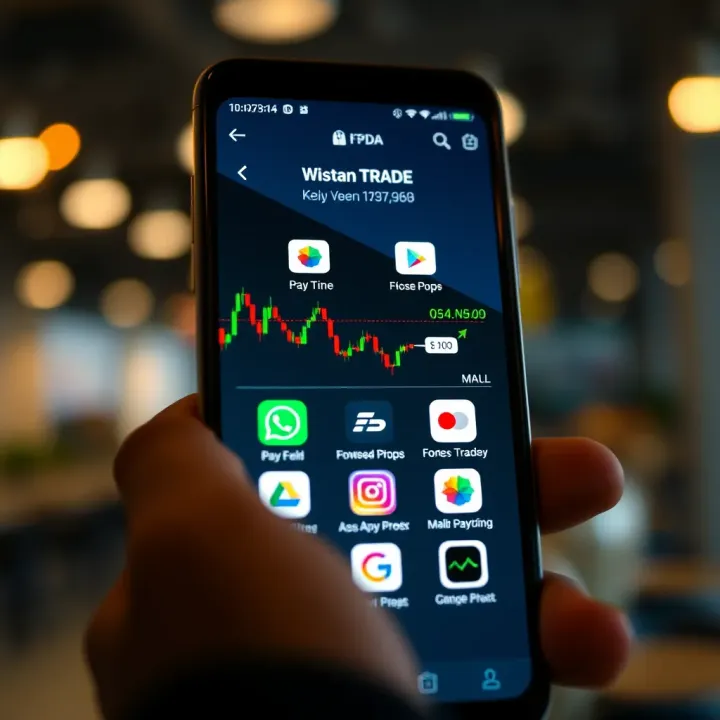
Using charts and indicators is fundamental in understanding market behaviour. Charts display currency price movements over time, revealing more than just numbers. Traders use indicators like Moving Averages, RSI (Relative Strength Index), and MACD (Moving Average Convergence Divergence) to detect momentum, momentum shifts, or possible reversals. For example, a Kenyan trader noticing the RSI crossing below 30 on the USD/KES pair might anticipate a buying opportunity due to oversold conditions.
Identifying trends and patterns helps traders predict future price moves. Recognisable patterns such as Head and Shoulders or flags often signal potential trend reversals or continuation. Spotting these early means traders can position themselves advantageously. In the local context, understanding trends lets a trader avoid jumping into trades against the prevailing momentum, a mistake common when emotions lead.
Impact of economic reports is considerable in forex trading. Publications like Kenya’s inflation figures, Central Bank of Kenya (CBK) policy decisions, or US nonfarm payroll data influence currency values. For instance, a higher-than-expected inflation report from Kenya might weaken the shilling as investors adjust their expectations. Keeping an eye on these reports helps traders anticipate market moves instead of reacting after the fact.
Political and global events to watch include elections, regional conflicts, and major trade agreements. For Kenyan traders, the CCM (County Assembly) elections or developments in the East African Community (EAC) trade policies can affect the shilling’s strength. Globally, announcements like US Federal Reserve interest rate changes also ripple through forex markets, affecting currencies widely.
Balancing technical and fundamental insights is often the best course. While technical analysis shows the timing for trades, fundamentals explain the why behind price moves. Say, CBK unexpectedly cuts interest rates (fundamental), a trader might use chart indicators to find an entry point when the USD/KES pair reacts.
When to focus on which approach matters based on market context. In calm markets with few headlines, technical analysis might dominate. However, around big economic releases or political events, fundamental analysis takes priority. A savvy trader knows when to rely on chart patterns and when to pause trading to digest news.
Developing a flexible strategy that mixes technical signals with fundamental realities enhances your chances of trading profitably in the constantly shifting forex market.
Ultimately, Kenyan traders who combine these methods thoughtfully can handle volatility better and seize real opportunities rather than chasing illusions.
Risk management is the backbone of successful forex trading, especially for Kenyan traders who face volatile currency swings and unique market conditions. Protecting your capital ensures you can keep trading even when the market moves against you. Without managing risk carefully, a single bad trade could wipe out your account, leaving no room to recover.
How stop-loss limits losses
A stop-loss order is a pre-set price level where your trade will automatically close if the market moves against you. This limits your losses to a manageable amount. For example, if you buy EUR/USD at 1.1000 and set a stop-loss at 1.0950, your maximum loss is 50 pips. For Kenyan traders, this is crucial because it prevents emotional decisions driven by sudden market dips, especially during uncertain times like political announcements or inflation reports that can shake currency prices.
Using take-profit to secure gains
A take-profit order closes your position once a target profit is reached. This locks in gains before the market reverses direction. Suppose you buy USD/KES at 110.50 and set your take-profit at 111.00; once the price hits that, your trade closes and you secure that gain without waiting or constantly watching the charts. For busy traders juggling other commitments, using take-profit helps maintain discipline and ensures profits don’t slip away.
Choosing affordable trade sizes
Position sizing means deciding how much money you risk in a trade. A good rule is to risk only 1-2% of your trading capital per trade. For instance, if you have KSh 100,000, risking KSh 1,000-KSh 2,000 per trade keeps losses low. Picking trade sizes you can afford allows you to survive a series of losing trades without depleting your funds, which is essential when starting out or trading volatile currency pairs like USD/KES.
Risks of high leverage in forex
Leverage lets you control a larger position with a small deposit, but it amplifies both profits and losses. High leverage, say 1:500, can quickly drain your account if the market moves against you. In Kenya, where many use mobile money to fund accounts, the temptation to overleverage is real. It’s best to use low to moderate leverage (1:10 to 1:30) to manage risks sensibly and avoid margin calls that can leave you broke.
Overtrading and emotional decisions
Overtrading happens when traders enter too many trades, often out of frustration or greed. This reduces focus and increases exposure to losses. Emotional decisions, like chasing losses after a bad trade, often lead to bigger mistakes. Kenyan traders should set daily trade limits and take breaks after losses to keep a clear mind and avoid burnout.
Importance of sticking to a trading plan
A trading plan outlines your strategy, risk limits, and goals. Sticking to it helps you trade consistently without being swayed by market noise. For example, if your plan says to exit at a certain stop-loss, don’t let hope or fear change that. Discipline builds confidence and grows your account steadily. Without a plan, it’s easy to drift into guesswork and lose hard-earned KSh.
Managing risks isn’t just protecting your money—it's about building a strong foundation so you can trade longer and smarter in Kenya’s dynamic forex market.
Having the right tools and resources is key for Kenyan forex traders to make smart decisions and stay competitive. Given the fast-moving forex market, reliable platforms, timely news, and practice opportunities can make a big difference in trading success. Traders in Kenya must also consider local payment options and regulatory environments while selecting these tools.
Kenyan traders often use popular platforms like MetaTrader 4 (MT4), MetaTrader 5 (MT5), and cTrader. These platforms are widely supported by local and international brokers and offer a balance of usability and powerful features. Some brokers also provide customised apps with direct M-Pesa integration, easing deposits and withdrawals for Kenyan users.
When selecting a platform, focus on features such as user-friendly interfaces, real-time price feeds, and the availability of advanced charting tools. Fast order execution is critical to avoid slippage when the market moves quickly. Besides, platforms should offer strong security measures and 24/7 customer support, preferably with local responsiveness to handle any technical issues promptly.
Staying updated with market news can influence your trading decisions greatly. Trusted sources like Bloomberg, Reuters, and local platforms such as Business Daily Kenya provide accurate data and market analysis tailored to East African contexts. Local economic data released by Kenya National Bureau of Statistics (KNBS) and CBK reports also impact currency movements, so having direct access to them is beneficial.
Using economic calendars helps you track important events like Central Bank meetings or inflation announcements. Kenyan traders should watch these calendars to prepare for times of potential high volatility. Setting alerts on these dates allows you to plan entries or exits with more confidence.
Demo accounts serve as safe environments for practising strategies without risking real money. Kenyan traders new to forex can use these accounts to understand how trades are executed, test leverage limits, and navigate different market conditions. Demo trading also helps build emotional discipline by exposing you to market swings without actual losses.
Transitioning from a demo to live account requires careful preparation. Start with small trade sizes and realistic risk limits to adjust gradually. Avoid rushing with high leverage or large positions until you get comfortable managing the stress and real-time decision-making of live trading. This gradual approach builds skill and protects your investment over the long term.
Using the right platforms, accessing timely news, and practising thoroughly are practical steps Kenyan traders can take to improve their forex trading outcomes significantly.
Adapting your forex trading approach to Kenya's unique market conditions can make a real difference in your success as a trader. Unlike global markets with uniform dynamics, Kenya's currency fluctuations, payment systems, and regulatory environment require close attention. Tailoring your strategies to these local factors helps you respond better to market changes, avoid unnecessary risks, and use available resources efficiently.
How KSh performance affects forex trading
The Kenyan shilling (KSh) plays a major role in your forex trading decisions. When the shilling weakens against major currencies like the US dollar or euro, imports get more expensive, and inflation tends to rise. This can impact the central bank's monetary policies, which in turn sway forex rates. For instance, a sudden drop in KSh may lead the Central Bank of Kenya (CBK) to adjust interest rates, affecting your currency pairs involving KSh or related African currencies.
Understanding these movements helps you anticipate trends and make informed decisions instead of reacting blindly. If you spot a persistent KSh depreciation trend due to poor agricultural exports or political uncertainty, you can adjust your trades accordingly to manage risk or capitalise on opportunities.
Impact of Kenya's trade balance and inflation rates
Kenya’s trade balance—the difference between exports and imports—affects demand for KSh and related forex pairs. A trade deficit, where imports exceed exports, usually puts pressure on the shilling, prompting depreciation. This makes certain currency pairs volatile, especially for traders holding positions linked to the region. Keeping an eye on Kenya’s monthly or quarterly trade reports is essential for timing your trades.
Inflation rates also shape forex market dynamics. High inflation lowers purchasing power, often causing the central bank to tighten monetary policy. This tightening can strengthen the shilling temporarily but might dampen economic growth. For forex traders, tracking Kenya’s inflation data allows better guesswork on the direction of KSh and its impact on the broader market.
Using M-Pesa and other mobile money services
Kenyan traders benefit from widespread mobile money services like M-Pesa for funding and withdrawing from forex accounts. M-Pesa offers quick, secure, and convenient transactions without the hassle of traditional banking. Many brokers in Kenya now support M-Pesa payments directly, making it easier for traders to move money in and out.
Besides M-Pesa, mobile money providers like Airtel Money and T-Kash also support forex transactions. With fast deposit and withdrawal options, these platforms help Kenyan traders avoid delays and additional bank charges, which is useful when timing trades matters.
Safe and efficient ways to fund trading accounts
While mobile money is popular, traders should also consider other methods like bank transfers and card payments for better record-keeping and security. Always verify that your broker provides transparent deposit and withdrawal conditions to avoid hidden fees.
Using trusted local banks such as Equity Bank, KCB, or Cooperative Bank for transfers ensures smoother processing. Avoid funding accounts through unregulated channels or unknown third parties, as this exposes you to fraud risks and account freezes.
Recognising warning signs of fraud
Forex fraud is a concern in Kenya, with many fake brokers promising guaranteed profits or offering unrealistic bonuses. Common warning signs include unsolicited calls or messages asking for upfront payments, pressure to invest large sums quickly, and brokers with unverifiable contact details.
Be cautious if brokers lack transparency in their fee structures or if their platforms are difficult to access or test through demos. Scammers often use flashy marketing but fail to provide clear regulatory information.
Always remember: if a deal sounds too good to be true, it probably is.
Checking broker licences and regulatory compliance
Before trading, confirm that your broker is regulated by recognised bodies such as the Capital Markets Authority (CMA) of Kenya or reputable international regulators. Licensed brokers adhere to strict standards that protect investors' funds and promote fair trading.
You can verify licences by checking official CMA listings or well-known regulatory websites. Trading with an unregulated broker in Kenya exposes you to the risk of losing your money without recourse. Stick to brokers with proven reputations and clear compliance to keep your investments safe.
Adapting your forex trading to Kenya's market realities offers a sharper edge over others who neglect local factors. By understanding how the Kenyan shilling moves, using familiar payment options like M-Pesa, and steering clear of scams, you set yourself up for smarter, safer trading.
📈 Understand how forex trading works with practical steps, Kenyan-specific rules, key currency pairs, top platforms, and safe payment options like M-Pesa. Start trading smart!
📈 Discover how forex trading PDFs help Kenyan traders learn key strategies, manage risks, and navigate local market quirks easily with practical guides you can download.
Discover top forex trading books perfect for Kenyan traders 📚. Learn smart strategies, risk management, and market analysis to boost your trading game!
Explore forex trading in Kenya 🇰🇪 with practical tips on market basics, strategies, risk management, and starting right to trade wisely and confidently.
Based on 10 reviews