
How to Start Forex Trading in Kenya
📈 Learn how to start forex trading in Kenya with easy steps on setting up accounts, picking platforms, managing risks, and making smart trades for steady KSh earnings.
Edited By
Grace Turner
Forex trading has grown widely in Kenya, attracting both beginners and seasoned investors looking to tap into the global currency market. Yet, learning to trade profitably demands solid education, which can sometimes be hard to find or expensive. This is where PDF forex trading guides come in handy — they offer a flexible and often affordable way to gain essential knowledge.
PDF guides cover a range of topics from forex basics, chart reading, and technical indicators to advanced trading strategies and risk management. Many are written by experienced traders or financial educators, providing practical tips that work in real markets. For example, a guide might walk you through how to spot clear entry and exit points or how to manage your emotions during volatile sessions.

Many Kenyan traders appreciate PDF guides because they can study offline or on the go, without depending on constant internet connectivity, which can be patchy outside Nairobi.
To make the most of forex trading PDFs, you should choose resources tailored to your experience level and trading goals. Beginners need clear explanations of terms like pips, leverage, and spreads, while experts look for strategies tested on live markets. Some PDFs also explain how to use popular trading platforms like MetaTrader 4 or 5, which are widely used across Kenyan brokerages.
Where to find reliable forex PDFs varies. Look for materials from established forex education sites, respected traders in Kenya or the East African region, or institutions like the Capital Markets Authority (CMA) that sometimes publish educational content. Avoid guides promising guaranteed profits or quick riches, as forex trading requires patience, practice, and discipline.
In this article, you will learn how to select quality forex PDF guides, apply their lessons effectively, and combine them with other learning methods like webinars or demo accounts. This approach will build your confidence and improve your trading skills while minimising costly mistakes.
Before delving into PDF guides, you need a firm grasp of forex trading basics. This foundation helps you make sense of educational materials and apply concepts effectively in live trading. For example, knowing how currency pairs move or what trading hours mean can influence when and how you trade.
Forex trading involves buying one currency while simultaneously selling another. The aim is to profit from changes in exchange rates between these currency pairs. For instance, if you expect the US dollar to strengthen against the Kenyan shilling, you might buy USD/KES. If the dollar rises, you stand to gain when you sell back. Unlike stock trading, the forex market operates 24 hours and focuses on currencies instead of company shares.
Currency pairs are the heart of forex trading. Each pair, like EUR/USD or GBP/KES, shows how much of the second currency you need to buy one unit of the first. The first currency is called the base; the second, the quote. For example, a EUR/USD rate of 1.10 means one euro costs 1.10 US dollars.
This matters practically because you’re always trading one currency against another — not buying them outright. Understanding this helps you analyse market moves correctly. In Kenya, watching pairs like USD/KES or EUR/KES is common as they affect import/export costs and travel expenses.
Leverage lets you control larger trade sizes with a smaller deposit, called margin. For example, with 1:100 leverage, you can trade KSh 100,000 by putting down just KSh 1,000. It boosts your profit potential but also increases risk.
This makes knowing your margin and managing leverage critical. A novice trader using maximum leverage may lose more than their initial capital. That said, with careful risk management and understanding, leverage enables you to take positions that match your trading plan without locking too much capital.
The forex market never really sleeps; it moves in sessions based on global financial hubs: Sydney, Tokyo, London, and New York. Each session has unique characteristics — for example, the London-New York overlap sees the highest trading volumes and often more price moves.
Knowing this helps you plan your trading day. If you trade from Nairobi, it’s useful to know that the London session opens at 10 am EAT, making it a prime time for liquidity and market activity. Planning trades around session times can avoid unnecessary risks during quiet periods or exploit volatility spikes when markets overlap.
Mastering these basics sets you up to use PDF trading guides effectively. They build on these core ideas to help you sharpen your strategy and navigate the forex market with confidence.
PDF guides have carved out a solid place in forex trading education, mainly because they provide easy access to structured learning without the fuss of constant internet access. For traders in Kenya and beyond, these documents offer a portable and often comprehensive way to grasp the nuances of forex markets. They serve not just beginners but also seasoned traders who want a quick refresher or reference while navigating fast-paced trading environments.
Many traders prefer PDF guides because they condense large amounts of information into organised, easy-to-follow formats. Unlike scattered online articles or videos, PDFs often bundle essential topics, examples, and strategies in one place. Traders can download them for offline use, ideal for busy Nairobi commuters or those with limited data bundles. Additionally, PDFs usually come from credible sources like brokerages, trading academies, or financial experts, giving users some assurance over the quality of the content.
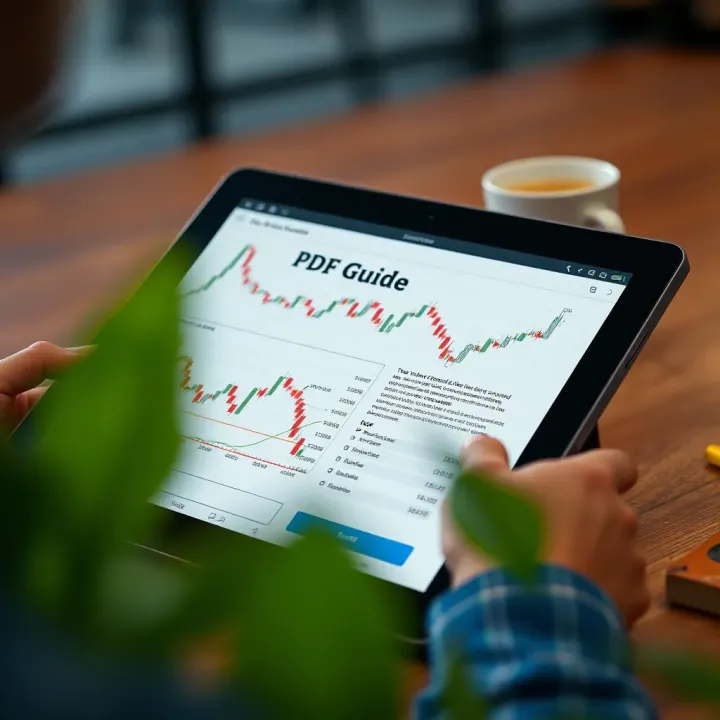
Technical analysis focuses on reading price charts and using indicators to predict future market moves. PDF guides often cover chart patterns, support and resistance levels, and popular tools like moving averages and Relative Strength Index (RSI). Understanding technical analysis helps traders identify entry and exit points, making decisions based on historical price movements rather than emotions. For example, a PDF might explain how a double top pattern signals a potential price drop, alerting the trader to consider selling or tightening stop losses.
Fundamental analysis looks beyond charts and studies economic indicators, news events, and central bank policies that influence currency values. PDFs typically introduce factors like GDP reports, interest rate decisions, and political stability as key inputs to evaluate. For instance, when the Central Bank of Kenya raises interest rates, the Kenyan shilling often strengthens, a detail highlighted in many fundamental analysis PDFs to help traders anticipate currency fluctuations.
Managing risk is at the heart of consistent forex success, and PDF guides stress methods to preserve capital while maximising potential gains. They cover concepts like setting stop-loss orders, position sizing based on account balance, and proper leverage use to avoid significant losses. Trader education PDFs often showcase practical scenarios: if your account holds KS00,000, risking 2% per trade means limiting losses to KS,000, helping to keep emotions in check during market swings.
A well-rounded trading strategy depends heavily on understanding and balancing these three pillars: technical skills, fundamental insights, and risk controls. PDFs provide a low-cost, retrievable resource to strengthen this foundation.
Finding trustworthy PDF guides on forex trading significantly improves how traders learn and apply new concepts. Since these guides often form the backbone of self-study, knowing where to get reliable materials ensures your time and effort translate into practical skills rather than confusion or misinformation. In Kenya, where access to face-to-face training might be limited outside Nairobi or major towns, dependable online PDF resources become even more critical.
Many reputable forex brokers maintain education centres on their websites that offer well-structured PDF guides for both beginners and seasoned traders. For example, brokers such as FXTM and HotForex provide free downloadable materials that clearly explain trading mechanics, platform use, and risk management. These brokers have a vested interest in ensuring traders understand how to use their services effectively, so their resources tend to include practical examples tied to live trading environments. Using PDFs from brokers also gives a chance to learn their specific trading tools and offerings.
Official financial regulators like the Capital Markets Authority (CMA) of Kenya sometimes publish educational PDFs about market basics, regulations, and investor protection. These PDFs might not cover deep technical trading strategies but offer excellent guidance on legal frameworks and how to spot scams or unlicensed operators. Consulting such materials can protect traders against common pitfalls and give insight into market oversight locally. For instance, CMA’s releases often include tips on due diligence for choosing brokers and understanding contract terms.
Several dedicated forex training centres and academies produce high-quality PDF guides that focus purely on teaching strategies, technical analysis, and market psychology. Examples include the DailyForex Education Hub and LeapRate Academy, which make their materials accessible to the Kenyan market through email signups or membership platforms. These academies often keep their PDFs updated with the latest market trends, which helps traders stay ahead. They also include illustrations, charts, and exercises to deepen understanding beyond theory.
Checking who wrote or contributed to a PDF is essential. Guides authored by experienced traders, certified analysts, or educators with recognised credentials usually provide trustworthy insights. For instance, a PDF created by a Certified Financial Technician (CFTe) or someone with a known track record in the forex market is likely more reliable than materials with anonymous or unclear authorship. This background helps ensure that the advice is practical and based on real market conditions, not just textbook theory.
Currency markets shift rapidly, so look for PDFs updated within the last couple of years. Outdated guides might advise on strategies that no longer work or omit recent regulatory changes impacting trading. For example, a PDF explaining leverage rules before CMA’s latest framework might mislead Kenyan traders on realistic margin requirements. Relevance also means the content matches your trading level—some PDF guides are better suited for beginners, while others focus on advanced techniques like Fibonacci retracements or Ichimoku clouds.
A good PDF guide breaks down complex terms into simple language, ideally using examples familiar to Kenyan traders—like how geopolitical news affecting the KSh/USD pair impacts prices. Clear graphics, step-by-step instructions, and quizzes can help solidify learning. If a guide leaves too many topics vague or overloaded with jargon, it becomes harder to use in real trading. Prioritising PDFs with user-friendly layouts and practical cases helps shorten your learning curve and builds confidence.
Trustworthy PDFs are tools that sharpen your forex trading skills effectively—invest a little time upfront to choose the right ones, and you’ll save both money and stress in your trading journey.
Using PDF forex trading guides effectively requires more than just downloading them—you need a system to organise, apply, and refresh the information continually. Doing this helps you avoid overwhelm and ensures your knowledge stays relevant to changing market conditions.
Keep your forex PDFs well organised by categorising them into folders based on topics such as technical analysis, risk management, and fundamental strategies. For example, you might use cloud storage services like Google Drive or OneDrive for easy access from your phone or computer. Label each file clearly with dates and authorship so you don't mix outdated guides with newer ones. Consistent organisation saves time when you want to revisit a specific concept or verify a trading approach before market hours.
Reading PDF guides alone won’t make you a successful trader. You must pair theory with actual practice, such as using demo accounts offered by brokers like FXTM or Pepperstone. This hands-on experience allows you to test strategies learned from PDFs without risking real money. Make notes on what works and what does not in your trading journal. Over time, this combination of learning and doing helps you build confidence and understand market behaviour beyond textbook examples.
Forex markets evolve constantly—what worked six months ago might not work now due to changing economic policies, interest rates, or geopolitical events. Regularly update your PDF library by checking trusted sources like the CMA (Capital Markets Authority) or broker education centres for the latest guides. Also, watch for major news events that could affect currency pairs you commonly trade. Setting a monthly reminder to review your materials helps ensure your trading approach stays sharp and informed by the latest insights.
Treat your collection of PDF forex guides as a living resource—not just static files. Keep organising, applying, and refreshing your knowledge to stay ahead in the fast-moving foreign exchange market.
By following these best practices, traders can turn scattered PDF resources into structured wisdom that supports real-world decision-making and helps grow their trading skills steadily.
Understanding the pros and cons of PDF forex trading materials helps traders choose the right resources for learning and decision-making. PDFs offer practical access to detailed guides, but knowing their limitations prevents costly reliance on outdated or incomplete information.
PDFs are convenient because you can download them and refer to the content without internet connectivity. This is particularly helpful in areas where reliable internet is scarce or expensive, such as some regions outside Nairobi. For instance, a trader in Eldoret can study forex concepts during commute or when electricity is unstable, without worrying about connection drops.
PDF guides often present information in a well-organised manner. They break down complex forex topics into readable sections, making it simpler to follow learning paths. A beginner using a PDF on technical analysis can find step-by-step explanations, relevant charts, and examples in one place, unlike scattered online posts that may confuse or overwhelm.
Many traders prefer hard copies to quickly flip through key points during trading hours. Printing PDF guides allows easy annotation and marking of important strategies or risk management tips. In real-life trading desks, having physical forex materials can speed up decision-making without switching screens or apps.
Forex markets change rapidly, driven by global economics and policy shifts. PDFs do not update automatically, so older guides may contain obsolete strategies or facts. Traders relying solely on outdated PDFs risk making moves that do not fit current market conditions. Always cross-check with recent news or updated materials to stay relevant.
Unlike online courses or trading simulators, PDFs are static and do not offer interactive quizzes, live feedback, or real-time data. This limits engagement and practising instincts. For example, a PDF can explain candlestick patterns but won’t simulate market reactions, which can slow down skill development.
The internet hosts countless forex PDFs, but their quality varies widely. Some lack depth or present biased views favouring specific brokers or platforms. Poorly written guides may confuse more than help. Evaluating the author’s credentials, cross-referencing sources, and relying on reputable Kenyan brokers or academies can reduce this risk.
PDFs remain a useful part of forex education — especially for structured reading and offline study — but traders should blend them with updated, interactive resources to maintain a sharp edge in the market.
📈 Learn how to start forex trading in Kenya with easy steps on setting up accounts, picking platforms, managing risks, and making smart trades for steady KSh earnings.
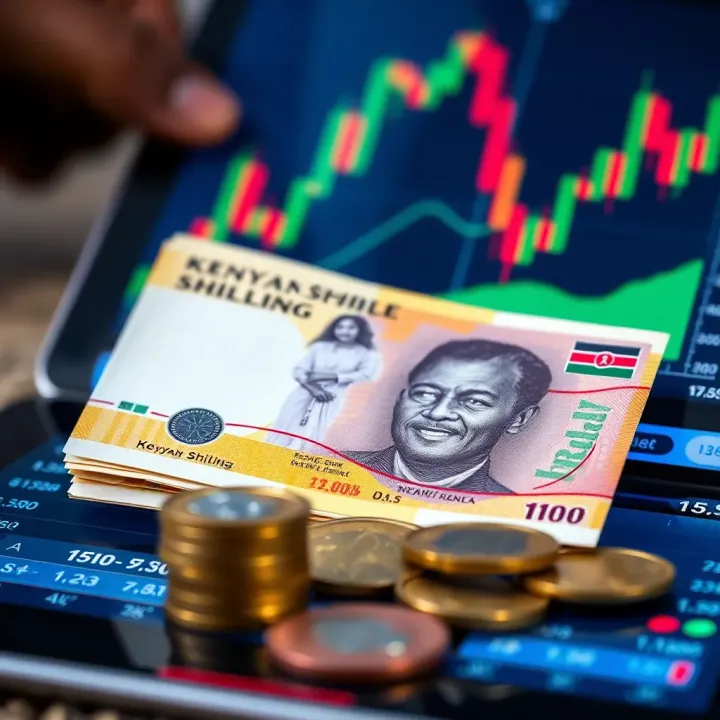
🌍 Want to start forex trading in Kenya? Learn local regulations, risk tips, and how to use tools like M-Pesa and KSh effectively for smart trading.
📈 Learn how forex trading in Kenya works, know the risks, key players, and how to start safely. Get insights on regulations and practical tips for currency trading.
📈 Learn forex trading in Kenya with practical tips, local resources, key skills, and how to overcome challenges. Start or improve your forex journey confidently today!
Based on 12 reviews