
Learn Forex Trading Step-by-Step with PDFs
📈 Learn forex trading step-by-step with clear PDFs covering basics, strategies, and risk management. Perfect for Kenyans starting confidently in currency markets.
Edited By
Daniel Reed
The forex market is the world's largest and most liquid financial arena, with daily trading volumes exceeding $6 trillion. In Kenya, this market attracts many investors drawn by its potential for quick returns and the convenience of trading from home or on the go. Unlike stocks, forex operates 24 hours a day from Monday to Friday, allowing traders in Nairobi to engage with global currency pairs at convenient times.
Trading currencies means buying one currency while selling another simultaneously. For example, if you believe the US dollar will strengthen against the Kenyan shilling, you might buy USD/KES currency pair. Movements in exchange rates result from economic events, political decisions, market sentiment, and even natural disasters.
Understanding how forex works is fundamental before risking your hard-earned money.
Here are some key points that every investor or trader should know:
Currency Pairs: The two currencies involved in a trade, like USD/KES or EUR/USD.
Pips and Lots: Price movements are measured in pips (the smallest unit), and trades are made in lots (standardised amounts, usually 100,000 units for a standard lot).
Leverage: This allows you to control a large position with a smaller deposit. Kenyan brokers often offer leverage ratios of up to 1:100, but remember, this increases both potential profits and losses.
Spread and Commission: The cost of trading usually comes from the difference between buying and selling prices, called the spread. Some brokers also charge commissions.
Getting familiar with these basics will help you grasp how trades are executed and what factors affect your profits or losses. Kenyan traders should also pay attention to broker regulation — the Capital Markets Authority (CMA) oversees forex brokers here, providing some level of protection for investors.
Starting strong means not just knowing the terms but also practising risk management. Many first-time traders overlook this, leading to quick losses. Simple tactics like using stop-loss orders and limiting exposure per trade can save you from heavy blows.
In the next sections, we'll explore how to choose the right broker, develop solid trading strategies, and manage risk effectively for the Kenyan market.
Understanding the basics of forex trading forms the foundation for anyone looking to engage in foreign exchange markets successfully. It helps you grasp key concepts like the mechanics of currency pairs, market timings, and vital trading terms. This knowledge prevents rash decisions based on guesswork and builds confidence, especially in a market that operates rapidly and often unpredictably.
Forex trading is the act of buying one currency while simultaneously selling another. It takes place in the foreign exchange market, the largest financial market worldwide, with daily transactions exceeding $6 trillion. Imagine a Kenyan exporter receiving US dollars and needing to convert them to Kenyan shillings; forex trading facilitates this currency exchange. For traders, profit comes from correctly predicting how currency prices will move relative to each other.
Currencies are always traded in pairs, such as USD/KES (US dollar against Kenyan shilling) or EUR/USD (Euro against US dollar). The first currency is called the base, and the second is the quote currency. A quote tells you how much of the quote currency you need to buy one unit of the base currency. For example, if the USD/KES pair is quoted at 115.00, it means one US dollar costs 115 Kenyan shillings.
This system matters because your profit depends on how the exchange rate changes. If you buy USD/KES when it's 115 and later sell when it reaches 117, you profit because the shilling weakened against the dollar.
The forex market consists of various players, each with different goals. Central banks like the Central Bank of Kenya manage currency stability, commercial banks handle client transactions, corporations conduct foreign trade, while retail traders like you and me speculate for profit.
Knowing who interacts in the market helps you understand why and how currency prices fluctuate. For instance, a surprise interest rate cut by CBK could lead to a weaker Kenyan shilling as investors adjust their positions.
Forex operates 24 hours a day during weekdays, divided into sessions: Asian, European, and US.
The Asian session includes Tokyo and Sydney markets and tends to be quieter with less volatility.
The European session overlaps with London, often the most active period.
The US session overlaps with London briefly and is also highly liquid.
Understanding these sessions helps you choose the best time to trade depending on your strategy or the currency pairs you focus on. For example, trading USD/KES pairs might be more volatile during the European and US sessions when both markets are open.
A pip is the smallest price movement in a currency pair, often 0.0001 for most pairs. It’s the unit traders use to measure gains or losses. A lot standardises trade size; a standard lot equals 100,000 units of the base currency, but many brokers offer mini or micro lots to accommodate smaller investments.
Leverage lets you control a larger position with a smaller deposit. For example, 1:100 leverage means you can trade KSh 100,000 with just KSh 1,000. This magnifies both profits and losses, so use leverage carefully to avoid wiping your account.
The spread is the difference between the bid (sell) and ask (buy) prices. It’s often how brokers earn their money. Narrower spreads mean lower trading costs. For example, a tight spread on USD/KES might be 2 pips, meaning that’s your initial cost to enter a trade.
Margin is the deposit you need to open or maintain a position, linked to leverage. If you trade a KSh 100,000 position with 1% margin, you need KSh 1,000 as collateral. Margins protect the broker and help manage risk.
The ask price is what you pay to buy a currency pair, while the bid price is what you get when selling. The mid price is the average of the bid and ask and acts as a reference point.
For example, if USD/KES bid is 114.90 and ask is 115.00, buying costs you 115.00 while selling will earn you 114.90. Understanding this helps with order execution and evaluating costs.
Grasping these basics arms you with the necessary tools to trade wisely, manage risks, and navigate forex markets smoothly. Whether looking to grow personal savings or add to investment portfolios, these concepts are the starting blocks.
Starting forex trading in Kenya requires careful planning, especially because the market operates differently from other investments like equities or real estate. Getting off on the right foot means choosing a trustworthy broker, setting up your account properly, and practising with demo trading to build your skills without risking real money. These steps are crucial for reducing risks and managing your money wisely, especially since forex is highly liquid and volatile.
A regulated forex broker has official approval from financial authorities to operate. In Kenya, the Capital Markets Authority (CMA) oversees brokers, ensuring they adhere to rules that protect traders from fraud. For example, a CMA-licensed broker must keep client funds separate from company funds, reducing the risk if the broker goes bankrupt. Checking for proper licensing helps you avoid scams and deals with brokers who operate transparently.
The trading platform is your gateway to the forex market. Brokers offer platforms like MetaTrader 4, MetaTrader 5, or proprietary software that lets you place trades, analyse charts, and set alerts. Efficient tools, including technical indicators, news feeds, and economic calendars, help traders make informed decisions. For instance, a Kenyan trader can benefit from platform features that allow real-time monitoring of KSh/USD fluctuations or other currency pairs relevant to Kenya's economy.
Ease of moving money in and out of your trading account is a big deal. Top brokers support deposit and withdrawal methods familiar to Kenyans, such as M-Pesa, bank transfers, or Paybill systems. Fast and low-cost transactions ensure you can manage your funds conveniently without unnecessary delays. Before committing, confirm that your broker accepts M-Pesa deposits and processes withdrawals promptly to avoid cash flow problems.
Forex brokers typically offer various account types tailored to different traders. Common options include micro accounts with low minimum deposits for beginners, standard accounts for active traders, and VIP accounts with advanced features. Choosing the right account depends on your starting capital and trading goals. For example, a new trader might start with a micro account requiring as little as KSh 5,000 to minimise risks while learning.
Opening a live trading account involves submitting identification documents to comply with Anti-Money Laundering (AML) and Know Your Customer (KYC) rules. In Kenya, brokers usually ask for a copy of your national ID, proof of address, and sometimes a source of income statement. Meeting these requirements protects you and the broker from illegal activities. Ensure your documents are valid and clear to avoid delays in account approval.
M-Pesa is widely used in Kenya and has become a popular payment option for forex trading. Integrating M-Pesa for deposits and withdrawals offers convenience, fast transactions, and security. Besides M-Pesa, brokers may accept payments via bank transfers or cards, but M-Pesa’s accessibility makes it the preferred choice for many Kenyan traders. Always check the availability of these payment methods before opening your account.
A demo account lets you trade with virtual money on live market data. This is essential to understand how the forex market moves and how to use your trading platform without risking your own cash. For example, practising with a demo account helps familiarise you with placing orders, setting stop-loss levels, and managing trades. Most brokers offer demo accounts for free, making them a risk-free training ground before moving to real money trading.
Start your forex journey by picking a regulated broker who offers local payment options like M-Pesa, opening the right account for your needs, and practising on a demo account to sharpen your skills first.
Developing effective trading strategies is key for anyone serious about forex trading. Without a clear approach, you risk leaving trades to chance, which often leads to losses. A solid strategy helps you make informed decisions based on analysis rather than emotions, boosting your chances of consistent profits. For example, Kenyan traders who rely on fundamental and technical analysis tend to react better to market changes, avoiding knee-jerk reactions to volatility.
Fundamental analysis focuses on economic data like GDP, inflation, and employment rates. These indicators shape a country’s currency strength. For instance, Kenya’s inflation rate reported quarterly by the Kenya National Bureau of Statistics often influences the Kenya shilling’s value. If inflation is high, the Central Bank might raise interest rates to control it, which usually boosts the currency’s appeal to investors.
Central banks, including the Central Bank of Kenya (CBK), play a big part in forex markets. When CBK changes interest rates or announces monetary policy, it can cause sharp currency moves. A rate hike may attract foreign capital, pushing the Kenya shilling higher. Traders track such decisions closely because these moves impact currency demand immediately.
Events like geopolitical tensions, trade wars, or natural disasters abroad can sway forex markets significantly. For example, tensions in the Gulf can impact oil prices, influencing oil-importing countries' currencies. Even the outcome of US Federal Reserve meetings often creates ripple effects. Kenyan traders must stay alert to world news since such events can affect their trading positions unexpectedly.
Technical analysts study charts to identify price patterns and trends. Recognising formations like head and shoulders or ascending triangles helps predict future price movements. If the Kenya shilling against the US dollar forms a double bottom pattern, it might signal a price rise. Spotting these patterns early guides traders on when to enter or exit trades.
Tools such as Moving Averages, Relative Strength Index (RSI), and MACD provide insight into market momentum and possible reversal points. For example, an RSI below 30 might indicate an oversold currency pair, suggesting a potential buying opportunity. Using these indicators alongside price charts refines entry timing, improving trade accuracy.
Support is where price tends to stop falling, while resistance is where it often stops rising. Identifying these levels helps traders set stop loss and take profit orders. If the Kenya shilling consistently bounces off a support level at 110 against the US dollar, this point becomes a key reference. Placing buy orders near support can reduce risk.
Trading plans should clearly define when to get in and out of a trade. Using combined fundamental and technical signals provides better precision. For example, after a positive economic report and confirming uptrend patterns on charts, a trader might enter buying the Kenya shilling at a specific price level, setting a take profit at an identified resistance.
A practical trading strategy weighs potential profit against potential loss. Many successful traders target at least a 2:1 reward-to-risk ratio, meaning expected profits are twice the possible loss. This discipline keeps losses manageable while letting winners grow, vital for long-term success in forex.
Documenting every trade—entry, exit, reasoning, emotions—helps traders learn from mistakes and spot what works. For instance, a Kenyan trader reviewing their journal might realise that ignoring central bank announcements led to avoidable losses. Journals encourage continuous improvement by providing real feedback rather than guesswork.
Tip: Consistently combining fundamental insights with technical tools and solid planning separates average traders from those who succeed long term in forex.
Managing risks and protecting your capital are key factors in keeping your forex trading journey sustainable. Since forex markets can be highly volatile, even experienced traders face losses if they don't manage risks carefully. Protecting your capital means ensuring you don’t lose more than you can afford, which keeps you in the game longer and gives you a chance to learn and improve.
Forex trading involves buying and selling currencies, but the prices can swing rapidly due to reasons like economic reports or political news. This creates risk—the chance your trade might lose money. Understanding this risk means recognising that losses are normal and part of trading. For example, if the Kenya shilling weakens unexpectedly against the US dollar, a trader holding shilling positions might face losses. By accepting this, you prepare mentally and financially.
Stop loss and take profit orders help manage your trades automatically. A stop loss closes your trade if prices move against you beyond a set point, limiting losses. For instance, if you buy euros and set a stop loss at 1.1000, your position will sell automatically if the price dips to that level. This prevents bigger losses.
Take profit works oppositely by closing a trade when it hits a profit target. Setting these orders before trading removes the need to watch the market constantly and helps stick to your trading plan without emotional decisions.
Position sizing is deciding how much money to risk on each trade. A common rule is to risk only 1-2% of your total trading capital per trade. So, if you have KSh 100,000, you risk no more than KSh 1,000 to 2,000 per trade. This way, even if you lose a few trades in a row, your account won't face severe damage. Position sizing depends on your stop loss distance and trade setup. It keeps losses manageable and helps avoid blowing your account.
Diversification means spreading your investments across different currency pairs or assets rather than putting all your money on a single trade. For example, instead of focusing only on USD/KES, you might trade EUR/USD or GBP/USD to reduce risk. If one pair moves unfavourably, others might balance your portfolio. This lessens the impact of unexpected events affecting a single currency.
Emotional discipline involves controlling feelings like fear or greed that affect trading decisions. A trader might panic and close a profitable trade too early or hold losing trades hoping they’ll reverse. Sticking to a pre-planned strategy, using stop loss and take profit orders, and avoiding impulsive decisions help maintain discipline. For example, if the market moves suddenly, an emotional trader might overtrade or double risks to recover losses—usually making things worse. Practising calm and patience strengthens your trading results in the long run.
Managing your risks is not just about protecting money, but also about building confidence and consistency as a trader.
Managing risks and your capital carefully lets you handle the ups and downs of forex trading steadily. This approach improves chances to make gains without exposing yourself to heavy losses, which is especially important in the dynamic Kenyan market environment.
Starting forex trading requires clear, actionable steps to build confidence and avoid costly mistakes. This section focuses on how to approach your first live trade, set achievable goals, and review your performance regularly. Following these steps helps you stay disciplined and improve consistently.
Setting realistic goals means understanding what you want to achieve and planning how to get there without expecting overnight success. For example, aiming to grow your trading account by 5% a month is more manageable than targeting double your capital immediately. This approach reduces pressure, supports steady learning, and helps manage risks.
Break your goals into short-term and long-term objectives. Short-term goals could be mastering technical analysis, while long-term might be earning a steady income through trading. This way, you focus on progress rather than quick wins, which often lead to reckless decisions.
Before entering any trade, assess the current market environment. Look at recent price trends, economic news, and any significant events affecting the currency pair you are interested in. For instance, if the Central Bank of Kenya announces a change in interest rates, this can cause the Kenyan shilling to fluctuate against the dollar.
Also, consider volatility: high volatility means bigger price swings, which can increase both risk and opportunity. Avoid trading during unpredictable periods like major news releases unless you have experience handling such conditions.
Selecting the right currency pair is key. For beginners, major pairs like USD/KES or EUR/USD tend to have enough liquidity and lower spreads, making them easier to trade. Exotic pairs or less liquid currencies might have wider spreads and unexpected price jumps, which could be risky.
Focus on currency pairs with which you are familiar or can easily follow news developments. For example, following regional economic reports on the Kenyan shilling or the US dollar can give you an edge in timing entries and exits.
Once you've analysed the market and picked a currency pair, you need to place the trade with precision. Understand the difference between market orders, which execute immediately at current prices, and limit orders, which trigger when prices reach a specific level.
For example, if you expect the USD/KES to rise, you might place a buy limit order slightly below the current price to get a better entry. Setting stop loss and take profit levels protects your capital and locks in gains automatically.
Regularly reviewing your trading results helps identify what works and what doesn’t. Keep a trading journal noting the reasons for each trade, results, and emotional state. This practice reveals patterns such as repeating mistakes or successful strategies.
If you find consistent losses in certain market conditions, refine your approach or avoid those scenarios. Improvement comes with honest self-assessment and adapting your plan based on real experiences.
Starting live trading without clear steps is like driving in the dark. Realistic goals, thorough analysis, and review will light your way to better decisions and more consistent results.
By following these steps carefully, you maximise your chances of succeeding in the forex market while keeping your risks under control.
📈 Learn forex trading step-by-step with clear PDFs covering basics, strategies, and risk management. Perfect for Kenyans starting confidently in currency markets.
📉 Learn forex trading basics, pick trusted platforms, practise smart risk management, and build strategies fit for Kenya’s market to trade with confidence and grow your capital.
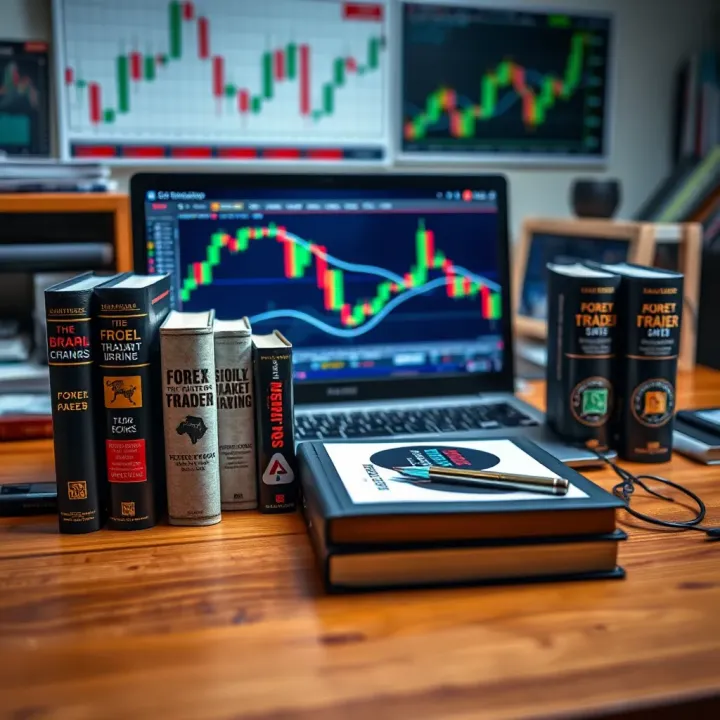
📚 Discover essential forex trading books covering basics, strategies, market analysis & risk management. Perfect for beginners and pros to improve skills!
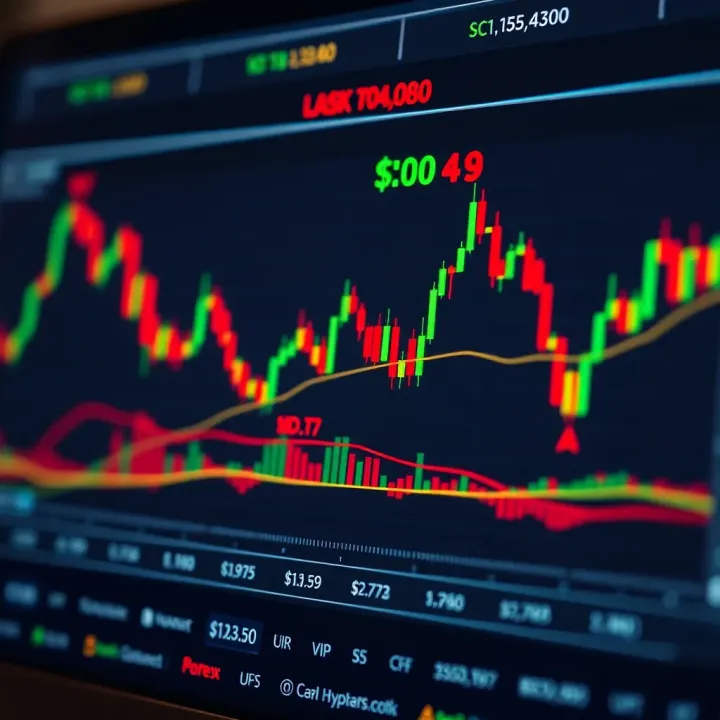
📈 Master forex trading in Kenya with this practical guide covering key strategies, risk management, top platforms, and regulatory tips to trade confidently and securely.
Based on 14 reviews