

Risk Management and Insurance in Kenya Explained
🔍 Learn how risk management and insurance protect you and businesses in Kenya from accidents, theft, and natural disasters. Discover local policies and tips to stay covered.
Edited By
Emily Fairchild
Insurance and risk management are essential tools for individuals and businesses in Kenya aiming to safeguard their assets and reduce exposure to financial shocks. With an economy involving sectors like agriculture, real estate, trade, and transport, the uncertainties facing Kenyan investors and entrepreneurs range from natural disasters to market fluctuations.
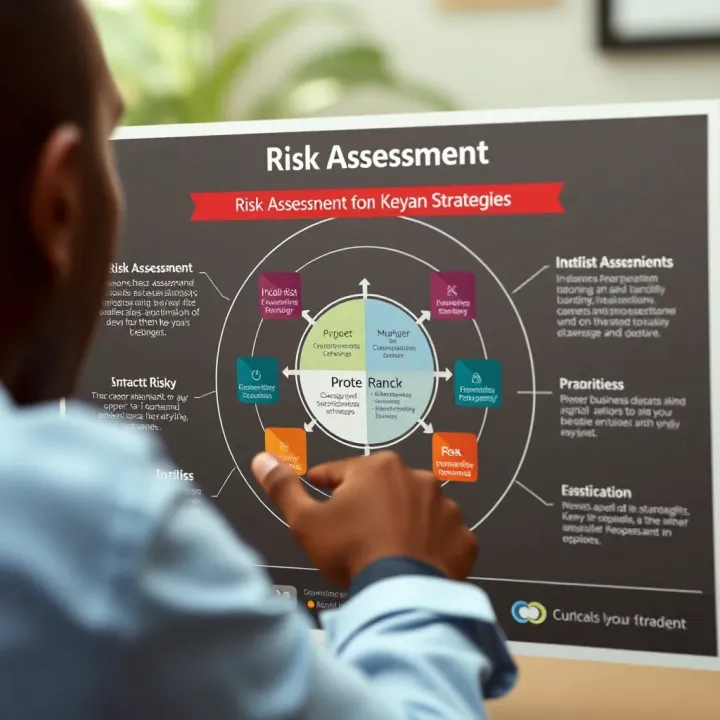
Risk management involves identifying, assessing, and prioritising potential risks that can disrupt operations or devalue assets. It’s a proactive approach that goes beyond just reacting after an event occurs. Insurance acts as a financial safety net within the risk management framework, providing compensation or support when specific losses happen.
Kenya’s risk landscape includes unpredictable weather conditions affecting crop yields, fluctuating commodity prices, theft, fire, and political instability during election cycles. For example, a smallholder farmer in Kisumu faces the risk of drought that can wipe out an entire season’s harvest, while a trader in Nairobi contends with risks related to spoilage or theft.
Effective risk management improves business resilience and helps investors make more confident decisions on ventures spanning Nairobi’s property market to Mombasa’s shipping logistics.
Risk Identification: List possible threats relevant to your business or personal assets.
Risk Evaluation: Assess the likelihood and potential impact of each risk to focus on significant dangers.
Risk Control: Decide on preventing risks or minimising their effects. For instance, installing security systems or diversifying investments.
Risk Financing: Choose appropriate insurance cover or reserve funds to cover losses if risks materialise.
Types of insurance important in Kenya include crop insurance for farmers, motor insurance—mandatory by law, business interruption cover, medical insurance with providers like NHIF or private insurers, and property insurance protecting shops or homes.
Understanding both risk management and insurance equips you to handle uncertainties strategically rather than leaving your investments vulnerable. This combination helps protect wealth and ensures continuity whether you’re running a SME in Eldoret or managing investment portfolios at NSE.
This article will further explore specific insurance products, evaluation techniques, and decision-making tips tailored for Kenyan realities.
Grasping the nature of risk and how it affects everyday life and business operations is central to managing uncertainty in Kenya’s dynamic environment. Risk involves potential events or situations that could cause harm or financial loss. Understanding risk helps individuals and organisations make informed decisions, safeguard assets, and maintain stability.
Risks come in many forms for individuals and businesses. For a family, risks could include health issues, accidents, or theft that shake financial stability. Businesses face operational risks—like sudden equipment failure or supply chain disruptions—and strategic risks such as market competition or policy changes. These risks, if not recognised and handled, can quickly escalate into bigger problems.
In Kenya, common risks range from petty theft in urban areas to accidents on busy roads. Natural disasters such as floods during the long rains or droughts affecting agricultural productivity also pose significant threats. For example, a smallholder farmer in Kisumu may lose crops due to unpredictable rainfall, impacting their income for the entire season.
Failing to manage risks can lead to substantial financial losses. An individual without insurance who suffers a medical emergency may spend tens or hundreds of thousands of shillings on hospital bills, potentially wiping out savings. Similarly, a trader whose stock is stolen in a matatu fire loses both goods and income, setting back business growth.
On the business side, unmitigated risks disrupt continuity and hamper expansion. A Nairobi-based tech startup, for example, might face network downtime or cyber threats that stop operations and erode client trust. Losing key assets or experiencing lawsuits without sufficient protection can cripple businesses, leading to closure or bankruptcy.
Financial security for households and sound business operations depend on anticipating risks and preparing for them. This preparation includes safeguarding savings, establishing emergency funds, and adopting insurance policies suited to specific risk profiles.
Recognising risks early is key to cushioning yourself against shocks that could otherwise drain your resources or halt your business progress.
By understanding the types and impacts of risk, Kenyan investors, traders, and financial managers can tailor strategies to protect wealth and ensure sustainable growth amid uncertainties.
Insurance plays a significant role in protecting individuals and businesses in Kenya from financial shocks caused by unforeseen events. It provides a safety net that allows people to recover losses without depleting their savings or compromising business operations. For instance, a small business owner in Nairobi who experiences theft or fire damage can claim insurance to cover repairs or replacements, thus avoiding complete closure.
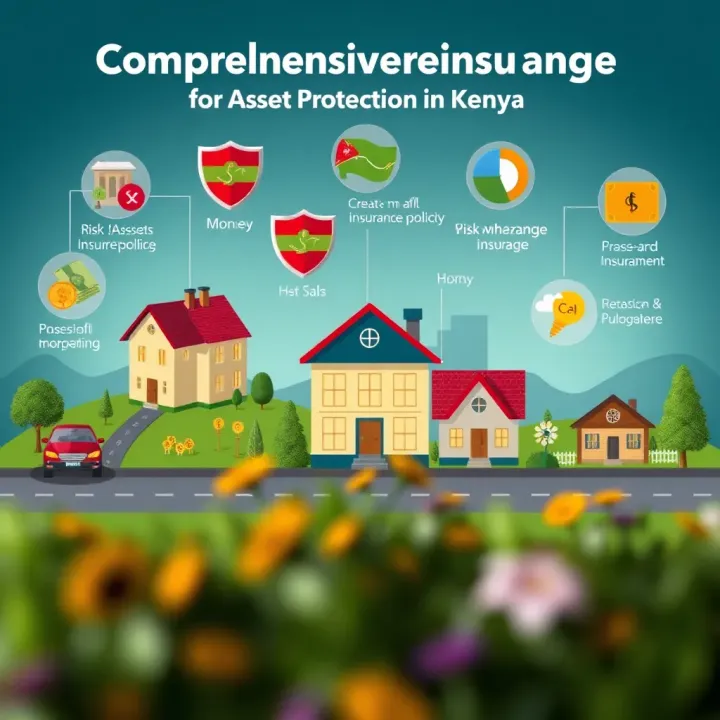
Insurance works by transferring the risk of loss from the individual or business to an insurer. When you buy a policy, you’re essentially paying for the insurer to take on the financial burden if a covered event occurs. This transfer of risk helps spread the cost among many policyholders, making it affordable for each person or company. For example, a farmer in Eldoret insures their maize shamba against drought; if drought hits, the insurer compensates the farmer, so the loss doesn’t hit them hard.
The concept of premiums, coverage, and claims is central to how insurance functions. You pay a regular fee called a premium, which varies depending on the risk type and coverage amount. Coverage defines what risks the policy protects against and to what extent. When a loss happens, you file a claim with the insurer requesting compensation based on your policy terms. For instance, if your motor vehicle meets with an accident, your insurer assesses the claim and pays for repairs or replacement within the limits agreed upon.
Life insurance and health insurance protect individuals and their families against unexpected medical costs or loss of income due to death or illness. With Kenya's growing cost of healthcare, having health insurance covers hospital bills, outpatient services, and sometimes chronic illnesses, sparing families from financial strain. Life insurance provides a payout to dependants if the insured passes away, safeguarding their future.
Motor vehicle insurance is mandatory in Kenya and covers damages from accidents, theft, or third-party liability. Since matatus, personal vehicles, and boda bodas are common modes of transport, motor insurance protects owners from repair costs and legal claims arising from accidents. Comprehensive policies also cover fire and natural disasters.
Property and business insurance safeguard physical assets such as buildings, equipment, and stock against risks like fire, theft, or vandalism. For a shop owner in Mombasa, property insurance means that if the premises are damaged during a break-in, they get financial support to rebuild and restock, helping maintain business continuity.
Agricultural and livestock insurance protect farmers and pastoralists against climate risks like drought, floods, pest infestations, or animal diseases. Given Kenya’s dependency on agriculture and the unpredictability of weather patterns, such insurance is crucial. For example, livestock insurance covers losses from cattle deaths due to disease, allowing farmers to bounce back without total devastation.
Choosing the right insurance cover involves understanding specific risks faced and balancing the cost of premiums with the potential benefit during loss.
Through these different types of insurance, Kenyans can better manage risks, preserve financial stability, and promote growth despite uncertainties.
Insurance is a key part of managing risk, but it doesn't cover everything. Well-thought-out risk management strategies beyond insurance are vital for both individuals and businesses. They help identify risks early, reduce potential losses, and keep operations running smoothly. For instance, a farmer in Nakuru might rely on insurance for drought risk, but also employs water-saving irrigation techniques to lessen dependence on unpredictable rains.
Evaluating risk probability and impact is the first step beyond buying insurance. This means looking at how likely a certain risk is to happen and how severe the consequences would be. For businesses trading in Nairobi's busy markets, risks like theft or stock damage can be frequent but vary in impact. Assigning a probability—say, how often theft occurs in the area—and assessing the potential financial loss helps prioritize action.
Another practical approach is conducting regular risk assessments, using simple checklists or scorecards that categorise risks from high to low based on factors like cost, frequency, and effect on operations. This way, an SME owner can focus on the most pressing risks without spreading resources too thin.
Local tools and resources in Kenyan settings play a big role here. For example, county government offices often provide risk data related to floods or diseases, which can be crucial for farmers and traders. Mobile apps developed by Kenyan startups also support risk monitoring, such as weather alerts or crop disease tracking. These resources allow decision-makers to stay informed and plan ahead, rather than react after losses occur.
Practical steps to reduce risk exposure include improving security, diversifying investments, and maintaining equipment properly. A boda boda operator in Kisumu might install a GPS tracker and invest in quality helmets to increase safety and reduce accident risk. Similarly, businesses can spread their investments across several counties to avoid putting all their eggs in one basket, protecting against localised shocks.
Using technology and community initiatives further strengthens prevention. For example, Safaricom's M-Pesa Emergency Loan service helps individuals access quick funds during unexpected events, preventing financial shock. Community groups often organise local watch committees to reduce theft and vandalism. These grassroots efforts, combined with tech solutions, create a safety net that insurance alone can’t provide.
Effective risk management means combining insurance with smart prevention and early detection. The balance helps businesses and individuals in Kenya survive shocks and even thrive despite uncertainty.
By going beyond insurance and understanding these strategies, investors, traders, and financial analysts can take control of risks and protect assets more comprehensively in the Kenyan context.
Integrating insurance with a broader risk management plan helps individuals and businesses in Kenya allocate resources efficiently while protecting themselves effectively from unforeseen losses. Insurance acts as a financial safety net, but relying solely on it can be costly and may not cover every eventuality. Thus, combining insurance with internal risk controls and preventive strategies creates a balanced approach, reducing vulnerability without overspending.
Deciding which risks to insure and which to manage internally depends on the risk’s likelihood and potential impact, as well as the costs involved. For example, a small business might choose to self-manage minor risks such as theft prevention through security measures rather than insuring every single equipment piece. On the other hand, risks like fire or floods, which could cause severe losses, typically require insurance cover. The key is assessing both the financial exposure and the capacity to absorb losses without insurance.
Many businesses opt for a mix: insuring against major risks that could disrupt operations and handling smaller daily risks in-house. This approach helps reduce premium costs while maintaining appropriate protection. For example, a farm in Kirinyaga county might insure its crops against drought but invest in fencing and irrigation to prevent pest damage locally.
A cost-benefit analysis of insurance versus self-insurance allows one to decide where to put their money. Self-insurance means setting aside funds to cover expected or unexpected losses instead of paying premiums. While this can save cost in premiums, it requires enough liquidity and discipline to meet claims yourself. In practice, large organisations like banks in Nairobi often use self-insurance for predictable risks but buy insurance for catastrophic events like natural disasters.
On the flip side, too much self-insurance might leave a person or business exposed to risks beyond their financial backing, leading to heavy losses. Conversely, buying insurance for every minor risk inflates costs unnecessarily.
Choosing the right insurance provider matters as much as choosing the right policy. When selecting companies, consider their reputation, financial stability, and claim settlement history. For instance, firms licensed and regulated by the Insurance Regulatory Authority (IRA) Kenya have to meet minimum governance and financial requirements. Consumer reviews and recommendations from trusted brokers also give insight into a provider’s reliability.
Kenyan consumers should also compare product offerings since benefits, coverage limits, and prices vary widely. For example, Motor Vehicle Insurance providers may differ on excess fees, third-party damage cover, or personal accident benefits.
Understanding policy terms is crucial. Many policies contain exclusions—specific situations or damages the insurer won’t cover—such as losses due to wilful negligence or unpaid premiums. Carefully reading the fine print helps avoid surprises during claims.
The claims process should be straightforward and transparent. Knowing required documentation, filing deadlines, and the procedure speeds up settlement and reduces frustrations. For example, some insurers may require using the iTax PIN for verification or insist on M-Pesa receipts for claim reimbursements.
Clear understanding and careful planning when integrating insurance into your risk management help ensure you’re neither underprotected nor overpaying, which ultimately preserves your financial health and peace of mind.
Choosing and maintaining the right insurance can make a big difference in how well you manage risks. For Kenyan individuals and businesses alike, practical strategies help protect assets, reduce uncertainty, and avoid costly surprises when things go wrong. This section breaks down some key tips that make insurance work as part of a solid risk management plan.
Start by understanding the risks specific to your situation. For an individual, this might mean considering health risks, the value of personal property, or potential liabilities such as motor vehicle accidents. Businesses need a broader view, including risks like theft, fire, supply chain disruptions, or even cyber threats, depending on their sector. For example, a small Nairobi-based retail shop faces different challenges from a farm in Rift Valley, so their insurance needs differ accordingly.
A thorough risk profile helps you decide what cover is essential versus what you might manage yourself. Take time to list potential risks, estimate possible losses, and consider how these would affect your finances and operations. This groundwork means when a broker or insurer presents options, you can pinpoint what fits your actual exposure rather than taking a generic or too broad policy.
Insurance agents and brokers play a key role in guiding you through available policies. Agents typically represent a specific insurance company, while brokers can offer products from multiple insurers. In Kenya, brokers often provide a more tailored approach, especially if you run a business with unique risks.
It’s wise to choose someone with a solid reputation and good knowledge of Kenyan market conditions. Ask questions about how premiums are calculated and what exclusions apply. Also, look out for transparent advice ensuring you’re not overinsured or paying for coverage that doesn’t add value. A reliable insurance professional can save you from costly mistakes and help with claims when needed.
Life changes fast, and so should your insurance. Whether you acquire new assets, expand a business, or shift operations, your coverage needs will evolve. For instance, a farmer who invests in modern irrigation equipment needs to adjust property insurance to reflect the higher value.
Review your policies at least once a year or after any significant change. This keeps you from gaps in coverage or paying premiums for outdated risks. Regular reviews also help you spot better deals or updated policies by Kenyan insurers that might suit you more.
Keep all insurance documents safe and organised. Have copies of your policy terms, premium payment receipts, and correspondence with your insurer readily available. This habit proves valuable when filing a claim, as missing paperwork can delay payouts or cause disputes.
Understand your claim rights clearly: what your insurer will cover, how to report incidents, required evidence, and expected timelines. For example, knowing you must notify your motor insurance provider within 48 hours after an accident helps avoid denied claims. Being proactive and informed here prevents stress during tough moments.
Protecting your assets isn’t just about buying insurance. It’s about smart choices, keeping policies up to date, and knowing how to use your coverage when necessary. For Kenyan individuals and businesses, this approach strengthens financial resilience and peace of mind.
🔍 Learn how risk management and insurance protect you and businesses in Kenya from accidents, theft, and natural disasters. Discover local policies and tips to stay covered.

Explore growing risk management jobs in Kenya focusing on key skills, typical employers, and industry trends to help you build a successful career locally 📊💼

Explore how Enterprise Risk Management frameworks help Kenyan businesses spot, evaluate, and handle risks to boost decision-making and resilience. 📊🔍

Explore how Kenya manages disaster risks through assessment, preparedness, response, and recovery. Learn the roles of communities, government, and partners 🌍🔥
Based on 15 reviews