
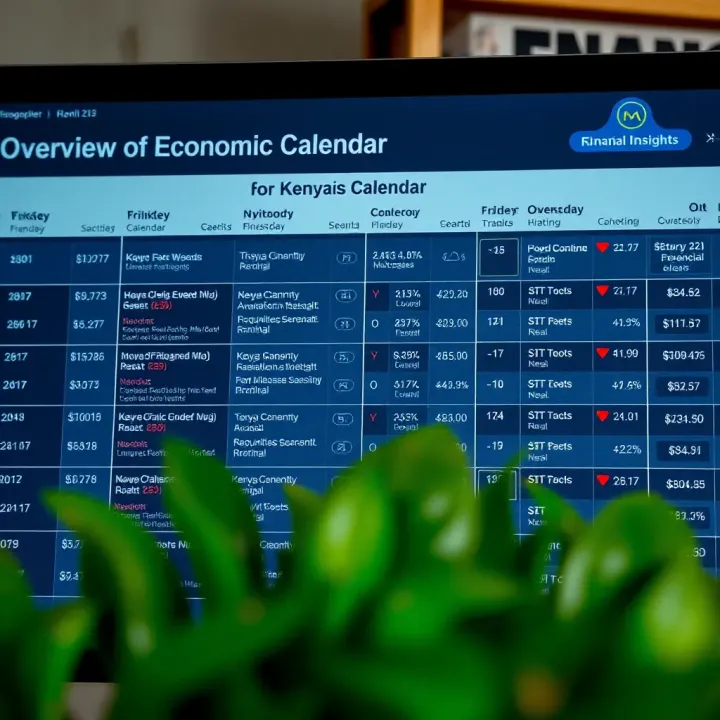
Understanding Kenya's Economic Calendar for Investors
Stay ahead in Kenya's market 📈 by mastering the economic calendar! Learn how to track key events, interpret data releases, and make smart investments daily.
Edited By
Emma Collins
The FX economic calendar is an essential tool for anyone involved in currency trading. It lists the dates and times of important economic data releases and events, which can cause sharp movements in forex markets. For traders and investors, having this calendar at hand means staying ahead of market shifts and making informed decisions rather than guessing.
Kenyan traders familiar with platforms like M-Pesa and local banking systems can appreciate how timing influences outcomes. Just as businesses plan around festive seasons or paydays, forex traders organise their trades based on the timing of economic indicators. These indicators include inflation rates, central bank announcements, employment figures, and GDP reports.

Economic calendars serve as a trader’s roadmap, highlighting moments when currency prices are likely to fluctuate significantly.
Key events to watch include the US Federal Reserve interest rate decisions, European Central Bank meetings, and CPI (Consumer Price Index) numbers from major economies. Since the Kenyan shilling often responds indirectly through global market influences, knowing when these events occur helps traders predict trends with greater confidence.
Most economic calendars offer details such as:
Event description: What the release or announcement is about
Scheduled date and time: When it will happen in local or GMT time
Forecasted numbers: Market expectations
Previous figures: To compare trends
By tracking these, traders can identify periods of high volatility and adjust their trading strategies accordingly. For instance, a surprise rise in US inflation could strengthen the dollar unexpectedly, affecting pairs like USD/KES.
In Kenya, traders need access to reliable economic calendars from trusted sources like Investing.com or Bloomberg's calendar adapted for East African users. Integrating calendar data into trading routines supports better risk management, helping traders avoid costly surprises and capture opportunities.
This introduction provides the foundation to better understand how economic news drives the forex market and how a well-managed calendar turns that news into actionable insight.
The FX economic calendar is a tool that lists major economic events and data releases from around the world. It serves as a schedule showing when things like interest rate decisions, inflation figures, or employment reports will be published. For anyone involved in currency trading, this information matters because these events can influence market prices significantly. Knowing ahead of time helps in planning trades to avoid surprises and manage risks better.
The calendar tracks specific events such as central bank meetings, inflation reports, GDP releases, and trade balances. These indicators provide snapshots of a country's economic health. For example, when the US Federal Reserve announces an interest rate change, many forex pairs involving the US dollar react sharply. Tracking these events worldwide allows traders to monitor factors affecting not only major currencies like USD, EUR, or JPY but also regional currencies relevant to Kenyan traders, such as the Kenyan shilling.
By following scheduled releases, traders get a structured overview instead of chasing scattered news. It’s like having a timetable for key moments when the market is likely to move. This helps traders avoid trading blindly and instead enter markets with better information.
The calendar helps traders predict how currencies might move after certain data releases. For instance, a higher-than-expected inflation reading might push a central bank to raise rates, which can strengthen that currency. Conversely, poor employment numbers might trigger weakness. Keeping an eye on the economic calendar allows traders to anticipate such moves and adjust their positions accordingly.
For example, if a trader knows that Kenya’s Central Bank (CBK) will announce a policy rate change, they can prepare by analysing how previous announcements influenced the shilling. This preparation sets the stage for smarter decision-making, reducing the chance of losses caused by abrupt moves.
Forex traders rely on the economic calendar to time their trades. Since currencies react quickly to economic data, knowing when these figures drop gives traders an edge. Investors, especially those involved in currency funds or trading platforms in Kenya, also use the calendar to guide longer-term strategy by understanding economic trends.
For instance, an investor holding USD/KES positions will pay close attention to US Non-Farm Payrolls data and CBK announcements. Both affect the exchange rate and thus the value of their investments. Integrating calendar insights prevents hasty decisions based on rumours or last-minute news.
These professionals use the economic calendar to prepare reports and forecasts. Analysts working for Kenyan banks or investment firms examine upcoming data to offer advice on currency outlooks. Economists study the scheduled releases to assess economic conditions and advise policymakers or the public.
For example, an economist anticipating weaker GDP growth across East African Community (EAC) countries will note the calendar events related to economic output. This insight helps businesses adjust plans or governments consider policy changes. Without the calendar, analysts would struggle to connect data points timely and accurately.
Paying attention to the FX economic calendar is not just about spotting opportunities—it’s about managing risks and making informed choices in currency trading.
This tool acts like a compass for navigating the often-volatile forex market, especially for Kenyan traders who must balance global forces with regional factors.
Understanding which economic events feature in the FX calendar helps traders anticipate currency movements better. These events offer predictable moments when markets often react sharply, providing opportunities or warning signals to traders. The calendar highlights announcements and data releases known to sway forex markets globally and locally, which is vital for anyone trading or analysing currencies.
Central bank interest rate decisions stand out among the most closely watched economic events. When a central bank like the Central Bank of Kenya (CBK) changes its benchmark interest rates, it directly impacts the currency’s value. For instance, a rate hike tends to strengthen the national currency since higher interest makes holding that currency more attractive to investors seeking better returns. Conversely, rate cuts can weaken it, signalling cheaper borrowing costs but reduced returns. Traders watch these decisions because even slight shifts can lead to rapid price swings and a change in market sentiment.
Statements and press conferences following rate decisions add further clarity and nuance. While the decision itself is important, the central bank governor’s tone, explanations, and future guidance often influence market reactions just as much, if not more. For example, a cautious or hawkish tone might cause a currency rally or decline depending on the perceived economic outlook. Traders therefore listen carefully to these communications to gauge whether the monetary policy stance will remain steady or shift soon, adjusting their positions accordingly.
Inflation data like the Consumer Price Index (CPI) reveals how fast prices are rising and signals the economy’s health. Increasing inflation can prompt central banks to raise interest rates, supporting currency appreciation. For example, if Kenya’s CPI spikes unexpectedly, it may cause the shilling to strengthen as traders price in a possible CBK rate rise to tame inflation. Conversely, low inflation can signal weak demand and slow growth, leading to currency depreciation.
Employment reports such as Non-Farm Payrolls (NFP), mainly from the US but closely watched worldwide, indicate labour market strength. A strong NFP number usually boosts the US dollar because it suggests economic expansion and possibly tighter monetary policy. For Kenyan traders, knowing the timing and content of these reports can be crucial because US dollar movements affect many forex pairs and M-Pesa transactions tied to dollar flows.
GDP growth figures reflect the overall economic performance. Positive growth signals a healthy economy, which can strengthen the currency, whereas shrinking GDP often points to economic troubles and currency depreciation. For instance, a stronger-than-expected GDP report from Kenya or a trading partner like South Africa can influence regional currencies.
Trade balance and manufacturing data show the flow of goods and services across borders and the production sector’s health. A trade surplus generally supports a currency since it means more foreign currency is coming into the country. Conversely, a persistent trade deficit might weigh on the currency. Manufacturing data, such as factory output or purchasing manager indices (PMIs), indicate economic momentum and can drive forex markets accordingly.
Geopolitical developments always introduce uncertainty. Events like elections, conflicts, or trade disputes can cause sudden currency volatility. For Kenyan traders, watching East African Community (EAC) developments or tensions within the Horn of Africa is crucial because these affect regional stability and investor confidence.
Unexpected market-moving news such as natural disasters or sudden policy changes can disrupt normal trading patterns. Since these are not scheduled, the economic calendar cannot predict them, but keeping informed through news sources alongside the calendar helps traders respond quickly and manage risks.
Traders who understand these key economic events can better prepare for market moves and avoid surprises, giving them an edge whether trading forex or managing currency exposure.
This knowledge helps you plan your trading strategy, decide when to enter or exit positions, and manage risk wisely around these economic events.
Using the FX economic calendar is essential for traders to make informed decisions in a fast-moving forex market. It provides clear data on when key economic events will happen, helping a trader anticipate market reactions and plan their trades accordingly. Without this guidance, one may get caught off guard by sudden market swings that follow important announcements.
Since economic events are reported from different parts of the world, understanding the local time of these releases is vital for timely action. Kenyan traders need to convert event times to East Africa Time (EAT) to avoid missing critical data. For example, a US Federal Reserve interest rate decision scheduled for 2 pm Eastern Time would occur at 9 pm EAT the same day. Setting reminders to catch these events during local time helps avoid confusion and prepares traders to respond promptly.
Economic calendars also tag events with impact ratings, often using colours or symbols to indicate their likely influence on currency markets. A high-impact event like Kenya's Central Bank rate announcement or US Non-Farm Payrolls report usually causes more volatility than lower impact news. Understanding these ratings helps traders decide whether to enter or avoid the market during releases, depending on their risk appetite.
Volatility spikes sharply during major economic announcements, which can lead to unexpected price swings. Traders often avoid active positions just before big releases to reduce risk exposure. For instance, staying out of trades before a key inflation report in Kenya can prevent losses from unpredictable spikes in the shilling's value.
Setting clear entry and exit points before an event is another practical approach. If the calendar indicates a potential market mover, traders may choose to place buy or sell orders once the data confirms a trend, ensuring swift execution without hesitation. For example, after a positive GDP report, a trader might set an entry point slightly above current prices to catch upward momentum.
Risk management with stop-loss orders is crucial when trading around scheduled news. By setting stop-loss limits, traders protect themselves from sudden adverse movements. Imagine holding a position on the euro against the Kenyan shilling before a European Central Bank announcement—using stop-loss orders can limit losses if the news triggers a sharp price decline.
A common mistake is overreacting to every piece of data without considering market context. Not all economic releases lead to lasting price changes; sometimes the market has already priced in expectations. Jumping into trades based purely on headline numbers can result in whiplash as prices settle back.
Ignoring broader market factors also leads to bad decisions. For example, a positive inflation figure might ordinarily strengthen a currency, but if political instability affects the country, the market may respond differently. Successful traders balance economic calendar insights with geopolitics, technical analysis, and regional trends to get the full picture.
Using the economic calendar effectively means combining timing, understanding event significance, and managing risk—this mix can greatly improve your success as a forex trader.
Kenyan traders face a unique set of challenges when using the FX economic calendar, such as coordinating event times with East Africa Time (EAT) and accessing timely, accurate data given regional market hours. Because forex markets are global and fast-moving, relying on a dependable economic calendar is vital. A reliable calendar allows traders to plan trades with enough time, avoid surprises during volatile periods, and respond swiftly to regional and global economic events.
Several well-known online economic calendars offer comprehensive data that Kenyan traders can rely on. Sites like Investing.com, ForexFactory, and Trading Economics are popular because they cover a wide range of economic events from multiple countries, including major releases like GDP, inflation data, and central bank meetings.
These platforms provide detailed event descriptions and impact ratings, helping traders prioritise which news requires close attention. For example, a Kenyan forex trader tracking key announcements from the Central Bank of Kenya (CBK) alongside US Federal Reserve decisions can use these calendars to spot overlapping events, planning trades more effectively.
A crucial feature to seek in any economic calendar is real-time updates. Data releases often come ahead of schedule or with revisions, which can cause sharp market moves. Calendars that update instantly reduce the risk of reacting late. Another important aspect is the local time zone option, ideally allowing users to display event times in EAT. This avoids confusion and ensures traders in Nairobi or Mombasa are ready when the data drops.
With the rise of mobile trading, calendars accessible via apps are a must-have for Kenyan traders who may need to check events on the go. Mobile accessibility ensures that important economic updates reach the trader whether commuting on a matatu or working remotely. Apps often send push notifications before major events, helping users stay ahead.
Integration of economic calendars with trading platforms is another practical advantage. Some apps connect directly to brokers or charting software, allowing traders to combine economic data with technical analysis tools in one place. For example, when an economic event is about to occur, the integrated platform might flag it on charts or suggest trade setups.
Such sync between economic calendars and trading tools helps reduce reaction times and avoids switching between multiple apps during fast-moving market hours. This is particularly useful for Kenyan traders who balance busy schedules but want to stay active in the forex market.
A reliable, easy-to-use FX economic calendar tailored with real-time updates and time zone options can make a notable difference for Kenyan traders, blending practical readiness with informed decision-making.
In summary, Kenyan forex traders should look out for economic calendars that provide:
Immediate updates and event revisions
Local time zone displays (East Africa Time)
Mobile app support with alert notifications
Integration with popular trading platforms and tools
Choosing the right calendar means staying prepared and reducing the guesswork around forex market moves influenced by scheduled economic events.
Using the FX economic calendar effectively is more than just checking dates. It involves daily preparation, blending fundamental insights with technical analysis, and staying informed on local and regional economic events. These practical steps help you make smarter decisions, manage risks, and avoid surprises in volatile forex markets.
Setting reminders ahead of major events keeps you on your toes. For example, if the Central Bank of Kenya (CBK) is scheduled to announce interest rate decisions, marking it on your calendar and setting alerts can prevent missing crucial market shifts. Timely reminders give you space to adjust your positions or pause trading before potentially sharp price swings.
Reviewing previous economic data trends provides context for upcoming releases. Suppose last month’s inflation data showed rising prices—this background helps interpret the meaning of new inflation figures. Tracking trends also prevents knee-jerk reactions to a single report and supports a more measured trading approach based on patterns rather than isolated numbers.
Combining fundamental news from the calendar with technical charts helps confirm trading signals. Say the economic calendar signals a positive employment report in the US; checking USD/KES charts for support levels or key moving averages can guide you on precise entry points. This blend reduces the risk of relying solely on potentially volatile news.
Adjusting your strategies based on upcoming announcements ensures you’re not caught off guard. For instance, if a major GDP report is due, you might reduce position sizes or widen stop losses to absorb sudden moves. Conversely, some traders use anticipated news for short-term opportunities by entering trades right after releases but only if their technical setup aligns.
Tracking CBK announcements is vital since their monetary policy moves directly affect the Kenyan shilling. For example, if CBK signals tighter monetary policy, expect the KSh to strengthen, affecting USD/KES trading pairs. Staying updated means you won’t be blindsided by sudden market swings, and you can adjust accordingly.
Considering economic developments within the East African Community (EAC) is also helpful. Changes in trade agreements or inflation rates in neighbouring countries like Uganda or Tanzania can influence the Kenyan shilling indirectly. Monitoring these regional trends ensures a well-rounded view, helping you spot opportunities or risks from a broader East African perspective.
Consistent and informed use of the FX economic calendar, combined with solid preparation and regional awareness, can vastly improve your trading outcomes in the dynamic forex market.
By integrating these practical tips into your routine, you stay one step ahead, manage risks better, and align your trades with real economic moves—not just guesswork or hearsay.
Stay ahead in Kenya's market 📈 by mastering the economic calendar! Learn how to track key events, interpret data releases, and make smart investments daily.
Discover how the forex economic calendar helps Kenyan traders spot key events, interpret data, and make smarter currency market moves 📊💱🇰🇪
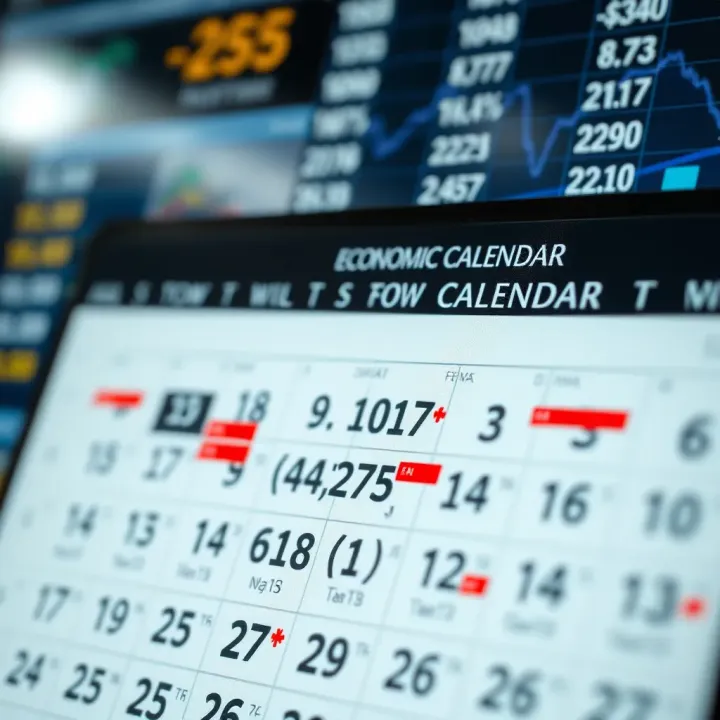
📅 Learn how the forex economic calendar helps Kenyan traders spot key events and data for smarter trading decisions. Stay ahead with essential tips! 📈

Discover how to start forex trading in Kenya 🇰🇪 with tips on brokers, risk management, and local regulations. Grow your investment knowledge and trade smartly! 📈
Based on 8 reviews