

Understanding Forex Trading: Basics and Tips for Kenyans
🌍 Learn how forex trading works, key players, risks, and benefits. Get practical tips for Kenyans keen to trade currencies and grow their investments wisely.
Edited By
Sophie Wilkinson
Trading forex in Kenya has gained real momentum, especially with more accessible platforms and mobile money services like M-Pesa enabling quick transactions. But like any investment, success doesn’t come by chance. It requires understanding the market, managing risks properly, and using smart strategies tailored to the Kenyan context.
Most traders in Kenya enter forex hoping for quick wins, but many overlook the basics that can protect their capital and improve long-term results. This section sets the stage by highlighting key factors every trader should keep in mind before diving deeper.
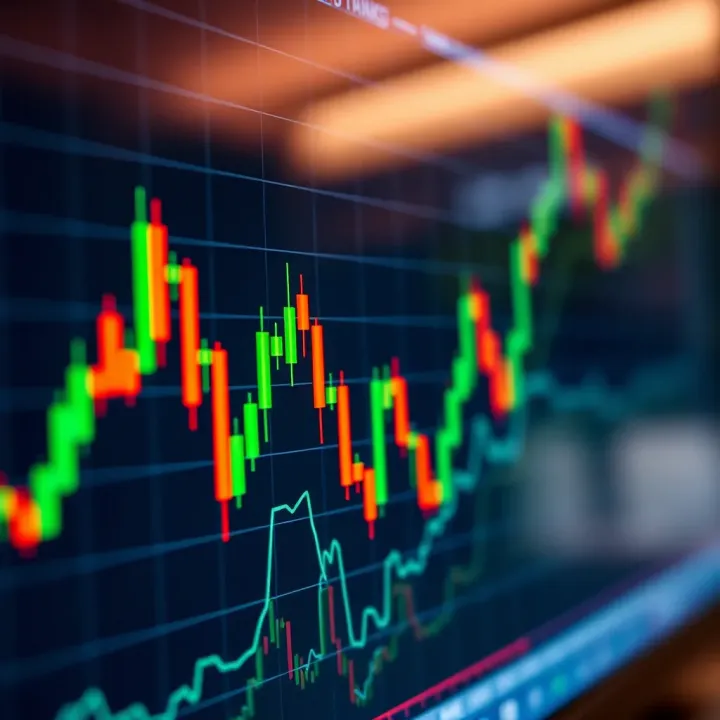
Kenya’s forex market is influenced not just by global economic trends but also by local factors: the Central Bank of Kenya's monetary policies, currency fluctuations driven by exports like tea and coffee, and seasonal effects such as the long and short rains impacting agriculture earnings. For example, the Kenyan shilling often weakens during harvest deficits, affecting forex pairs involving KSh.
Before risking your hard-earned KSh, grasp the basics well. Learn common forex terms like "pip," "spread," and "leverage." Many Kenyan traders jump into high leverage without understanding that while it can magnify gains, it equally boosts losses.
Consider practicing first on demo accounts offered by platforms such as FXTM or HotForex to build confidence without financial risk.
A simple rule Kenyan traders can follow is never to risk more than 2% of your trading capital on a single trade. Using stop-loss orders helps limit potential losses when the market moves against you. Avoid risking large amounts hoping to ‘make back losses’—this often leads to bigger problems.
"Trading without a risk strategy is like driving a matatu with no brakes—you may move fast but crashing is almost guaranteed."
Utilise Kenyan-focused market news, like reports from the Central Bank of Kenya or local financial analysts. Also, take advantage of mobile apps that support Swahili or provide local customer service.
In the next sections, we will explore practical technical analysis methods, psychological discipline, and the best tools to help Kenyan traders navigate forex efficiently and securely.
Grasping the basics of forex trading sets the foundation for anyone serious about entering the market. Without a clear understanding, it's easy to make mistakes that can cost you time and money. Knowing how forex works, the instruments involved, and the market's global and local dynamics gives you a better chance of success.
Definition of forex trading: Forex trading is the buying and selling of foreign currencies with the aim of making a profit from changes in their exchange rates. Think of it as exchanging Kenyan shillings (KSh) for US dollars (USD), hoping the dollar's value will rise relative to the shilling before you exchange back. This market operates 24/5, which means you can trade almost any time, depending on your schedule and strategy.
Currency pairs and their significance: Currencies are always traded in pairs, such as USD/KES (US dollar/Kenyan shilling) or EUR/USD (Euro/US dollar). The first currency is the base, and the second is the quote currency. Their relationship matters because if the USD/KES rate goes up, it means the dollar strengthens against the shilling. For a Kenyan trader, focusing on currency pairs involving the shilling or other stable pairs makes sense, as they reflect local market conditions and liquidity.
How the forex market operates globally and in Kenya: The forex market is decentralised and operates through a network of banks, brokers, and traders worldwide. In Kenya, trading primarily happens through online platforms connected to international brokers registered with the Capital Markets Authority (CMA). Since Kenyan investors trade in US dollars or other major currencies, fluctuations in local economy factors like inflation, interest rates, and political stability can affect trading conditions.
Leverage and margin: Leverage lets you control a large amount of currency using a smaller deposit called margin. For example, a leverage ratio of 100:1 means you can trade KSh 100,000 using KSh 1,000. While this can amplify profits, it also increases the risk of losses, so Kenyans should use leverage carefully and never trade more than they can afford to lose.
Pip and lot size explained: A pip is the smallest price movement in a currency pair, often 0.0001 for most pairs. Lot size refers to the quantity you trade; a standard lot is 100,000 units of the base currency, but many brokers offer mini or micro lots suitable for beginners or those with smaller capital.
Bid, ask, and spread basics: The bid price is what buyers pay, and the ask price is what sellers want. The difference between them is the spread, which is a key trading cost. For example, if USD/KES has a bid of 110.00 and ask of 110.05, the spread is 0.05. Lower spreads mean cheaper trades, so choose brokers with tight spreads to keep costs down.
Understanding these basics forms a strong groundwork for all other aspects of forex trading. It helps you avoid common pitfalls and trade with more confidence in Kenyan markets and beyond.
A strong trading plan forms the backbone of consistent success in forex trading. It offers clear guidelines on when to enter or exit trades, how much capital to risk, and what to aim for in terms of profits. In Kenya’s fast-paced market environment, having a well-thought-out plan helps traders avoid knee-jerk decisions driven by market noise or emotions.
It’s vital to grasp that forex trading can yield both gains and losses, often unpredictably. For instance, a trader starting with KSh 50,000 shouldn’t expect to double it overnight. Realistic expectations mean setting achievable profit targets, like 2-5% monthly returns, and preparing mentally for occasional setbacks. This balanced approach prevents chasing unrealistic gains, which can lead to heavy losses.
Trading isn’t a casual hobby; it demands attention and time. Day traders, for example, may spend hours watching charts to exploit short-term price moves. On the other hand, swing traders hold positions longer, checking markets less frequently. Knowing your available time helps choose a trading frequency that fits your lifestyle, avoiding burnout or missed opportunities. For most Kenyan traders juggling daytime jobs, swing trading might suit better than constant screen-watching.

Day trading involves opening and closing trades within a single day to benefit from intraday price moves. It requires quick decision-making and often high leverage. Conversely, swing trading targets larger moves over several days or weeks, relying more on broader market trends. Kenyan traders who are working or studying may find swing trading less stressful and more manageable than day trading, which demands constant monitoring.
Some traders prefer a long-term approach, holding positions for months based on fundamental economic changes, such as interest rate shifts or political events. While this style demands patience and a good understanding of global economics, it usually involves fewer trades and less active screen time. This strategy suits those combining forex with other investments or who can’t dedicate daily time to market watch.
Writing down every trade, including entry and exit points, reasons for trading, and emotions felt, provides powerful insights over time. For example, a Kenyan trader might notice they perform poorly after late-night trading or when feeling pressured by urgent bills. A journal transforms vague feelings into concrete patterns that traders can address.
Regularly reviewing your trade journal helps identify what is working and what isn’t. Maybe a particular currency pair, like USD/KES, responds well to your strategy during certain market conditions. Or you may spot recurring mistakes, such as ignoring stop-loss limits. This disciplined review sharpens decision-making and boosts confidence, ultimately increasing your chances of consistent profits.
A good trading plan is your map in the vast forex landscape. Without it, you risk getting lost or making costly errors. Plan well, trade smart.
Risk management is the cornerstone of successful forex trading. Without it, a trader can quickly lose more than intended, especially given the fast-moving and leveraged nature of forex markets. In Kenya, where many are still gaining experience with this complex market, managing risks effectively can protect your capital and help sustain your trading activities over time.
Controlling losses matters because forex trading inherently carries uncertainty. Even the best strategies can face unexpected market moves, like sudden shifts due to geopolitical events or economic reports from global powers. For example, when the US Federal Reserve announces interest rate changes, the Kenyan shilling’s exchange rate to the dollar can fluctuate sharply. A trader who hasn't set clear loss limits risks wiping out days or weeks of profits in minutes.
Common risks specific to forex include leverage, volatility, and liquidity challenges. Leverage allows traders to control large positions with little capital, but it can magnify losses just as quickly. Volatility means price movements can be erratic. For instance, trading during Nairobi’s market hours may differ from trading US or European sessions, requiring you to adjust your strategies. Liquidity varies by currency pairs; major pairs like USD/KES tend to be more liquid, while exotic pairs might expose you to sudden price gaps.
Stop-loss orders and take-profit levels are vital in forex trading. A stop-loss order automatically sells your position if the price falls to a set point, capping losses before they become damaging. For example, if you buy EUR/USD at 1.1000, you might place a stop-loss at 1.0950 to limit loss to 50 pips. Conversely, setting take-profit limits locks in gains by selling a position when it reaches your target price, preventing you from falling victim to market reversals.
Diversifying trades and proper position sizing also help reduce risk. Rather than risking your entire capital on one currency pair or one trade, spread it across different pairs or trading periods. Suppose your trading capital is KS00,000, risking 2-3% per trade is safer than risking KS0,000 on a single deal. This approach helps cushion the impact of any single bad trade while keeping your account afloat longer.
Recognising emotional biases will protect you from impulsive decisions driven by fear or greed. It's common to chase losses or hold losing trades hoping the market reverses, but such behaviour erodes capital quickly. Kenyan traders might feel pressured to recover losses fast because of community expectations or personal circumstances, but this usually backfires.
Sticking to your trading plan under pressure keeps your strategy disciplined. For instance, if your plan says to exit a losing trade at a specific level, follow it without hesitation—even if the market looks like it might turn around. Having a written trading plan helps you stay accountable and avoid making knee-jerk decisions in the heat of the moment.
Risk management isn't about avoiding losses altogether; it's about making sure losses don't wipe out your trading capital and allowing you to stay in the game for the long haul.
Managing risks well is not just theory; it’s a daily practice that requires patience, discipline, and the right tools to navigate Kenya’s forex market confidently.
Market analysis is a vital tool for any trader who wants to navigate forex markets confidently and effectively. It involves studying economic data, price trends, and market sentiment to make informed trading decisions. For Kenyan traders, understanding market analysis helps reduce guesswork, manage risks better, and spot profitable opportunities, especially given the volatility often seen in currency pairs involving the Kenyan shilling.
Economic indicators, such as inflation rates, interest rates, and GDP growth, are key drivers of currency value changes. For instance, if the Central Bank of Kenya raises interest rates to curb inflation, the Kenyan shilling often strengthens against other currencies because higher rates attract more foreign investment. Conversely, worsening inflation without policy adjustments can weaken the shilling.
Traders who keep an eye on reports like the monthly inflation data or balance of payments statements gain a clearer picture of potential currency moves. This practical insight allows them to anticipate shifts and position their trades accordingly rather than merely reacting to price changes.
Forex markets react swiftly to political developments, trade deals, or global crises. News about Kenya’s political stability or decisions within the East African Community (EAC) significantly influence the shilling's strength. For example, announcements around infrastructure funding or export tariffs can cause sudden swings.
Similarly, global news like US Federal Reserve meetings or oil price fluctuations affect major currencies and, indirectly, the Kenyan shilling. Staying updated using reliable news sources or economic calendars helps traders avoid surprises and spot entry or exit points in their trades.
Technical analysis involves studying price charts to predict future movements based on historical patterns. Traders look out for patterns like head and shoulders, double tops, or support and resistance levels to judge whether an asset is likely to rise or fall.
For example, if the USD/KES pair consistently bounces back after hitting a certain low, traders interpret it as a support level and might buy near that point. Watching price action this way can offer clearer signals on timing trades than fundamentals alone.
Indicators simplify chart analysis. Moving averages smooth out price data to show trends over time — a rising moving average indicates an upward trend. The Relative Strength Index (RSI) measures whether a currency is overbought or oversold, suggesting possible reversals.
For instance, if USD/KES’s RSI drops below 30, it may signal that the currency pair is oversold and due for a price bounce. Using these tools helps Kenyan traders fine-tune their entry and exit points instead of relying solely on gut feelings.
While fundamental analysis offers insights into why currencies move, technical analysis helps decide when to make trades. Traders often use fundamentals to set long-term views and then technicals to pick precise trade moments.
For Kenyan traders dealing with the shilling, fundamentals like changes in KRA tax policies or CBK rate reviews guide the broader trend. Meanwhile, technical charts can highlight the right time to buy or sell during daily fluctuations.
Suppose news reports a surge in Kenya’s export earnings, supporting the shilling. A trader might use this fundamental clue to look for technical signals — like a breakout above a resistance level on the USD/KES chart — before buying shillings.
On the other hand, if technicals show the currency pair nearing exhaustion (confirmed by RSI), but no major fundamental news supports a reversal, a trader might wait instead of rushing into a trade. Combining these approaches reduces unnecessary risks and improves trade success rates.
Successful forex trading in Kenya hinges on blending solid market analysis with disciplined execution. Understanding both the economic drivers and price patterns empowers traders to act decisively and profitably.
Through using fundamental and technical analysis together, you gain a fuller picture of market dynamics and trade smarter, not harder.
Having the right tools and resources is essential for Kenyan forex traders to operate effectively in a fast-moving market. These resources not only help you make timely and informed decisions but also shield you from common pitfalls such as unreliable brokers or outdated information. In Kenya, where internet connectivity and mobile usage are widespread but can sometimes be inconsistent, choosing the right platforms and apps becomes even more critical.
Choosing a forex broker registered with the Capital Markets Authority (CMA) Kenya is vital. The CMA supervises brokers to ensure they follow the rules that protect investors from fraud and malpractice. For instance, a CMA-regulated broker must keep client funds separate from business money, adding a layer of safety for your capital. Using unlicensed brokers exposes traders to risks like sudden account freezes or difficulty withdrawing funds, which are sadly not uncommon.
A broker’s trading platform should have user-friendly features such as easy order placement, real-time quotes, and clear charts. Mobile compatibility is especially important for Kenyan traders who mostly use smartphones for their online activities. Platforms like MetaTrader 4 and 5 are popular because they work smoothly on both desktop and mobile devices, allowing you to trade on the go, even during a boda boda commute or while waiting for a matatu. Features like push notifications also keep you alert about market moves without constantly checking your phone.
Effective forex trading hinges on accurate charting and technical analysis. Tools like TradingView or MetaTrader’s built-in chart packages offer detailed charts that display trends, support, resistance, and indicators such as the Relative Strength Index (RSI). In Kenya, where internet speed can vary between urban and rural areas, selecting software that loads quickly and functions offline for some features is a big plus.
Monitoring economic events and news is necessary to anticipate currency movements. Kenyan traders benefit from apps that provide local and global economic calendars—showing data releases like Kenyan GDP, CBK interest rate announcements, or US jobs reports. Using apps like Bloomberg or investing.com helps you get timely news alerts directly on your phone, which is crucial when news can trigger sudden market moves.
Continuous learning through online courses tailored for Kenyan traders helps deepen your understanding of forex strategies and market behaviour. Platforms offering step-by-step tutorials, including practical trading examples based on local market conditions, tend to be more useful. Training in Kiswahili or simple English can also help traders who are newer to forex trading grasp concepts better.
Being part of a community allows you to exchange insights, learn from experienced traders, and stay updated on what’s happening locally. Kenyan forex forums and WhatsApp groups often share real-time alerts, broker reviews, and practical tips specific to Kenyan market nuances. This communal approach can also protect you from scams by providing peer recommendations.
Choosing the right tools and resources in forex trading is not just about convenience; it’s about securing your investment and keeping ahead in a competitive market.
Equipping yourself with trustworthy brokers, reliable software, relevant news apps, and supportive networks will give your forex trading in Kenya a much-needed edge.
🌍 Learn how forex trading works, key players, risks, and benefits. Get practical tips for Kenyans keen to trade currencies and grow their investments wisely.

📉 Thinking of forex trading in Kenya? Learn how profits depend on markets, risks, strategy, and discipline. Get smart tips to trade with realistic expectations. 💹
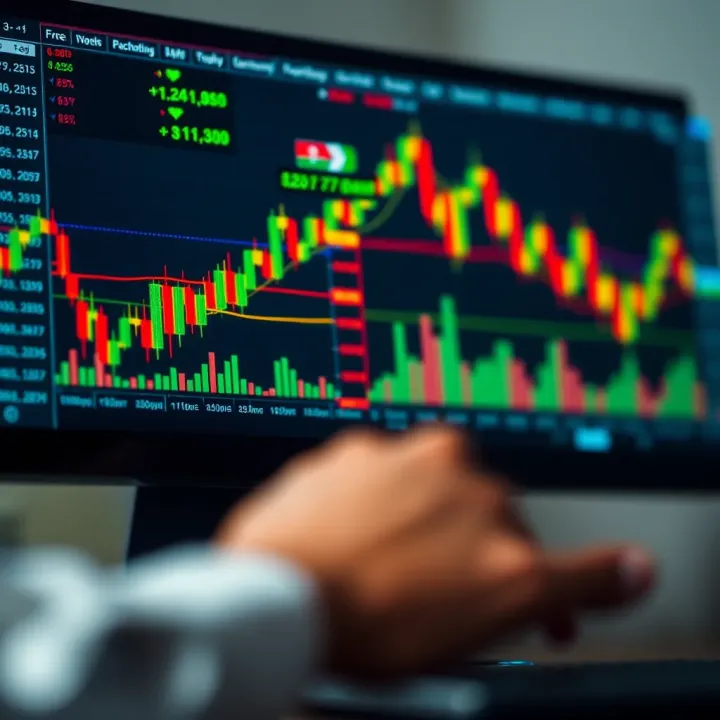
📈 Learn how to start forex trading in Kenya with easy steps on setting up accounts, picking platforms, managing risks, and making smart trades for steady KSh earnings.
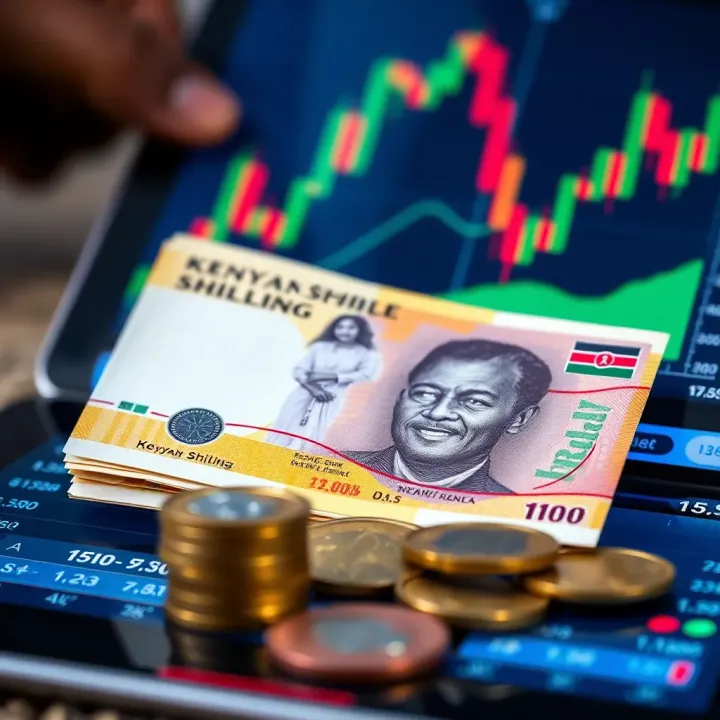
🌍 Want to start forex trading in Kenya? Learn local regulations, risk tips, and how to use tools like M-Pesa and KSh effectively for smart trading.
Based on 15 reviews