
Forex Trading Notes PDF: Practical Guide for Kenyan Traders
📈 Master forex trading with easy-to-use PDF notes! Learn key terms, strategies, and how Kenyan traders can apply insights to real markets. Start trading confidently today.
Edited By
Grace Morgan
Forex trading has become a popular way for Kenyans to engage with global financial markets, offering the chance to earn extra income or diversify investments beyond traditional avenues like stocks or real estate. However, successful trading takes more than luck—it demands solid knowledge of market fundamentals, trading tactics, and risk controls.
This forex trading course in PDF is designed to meet the needs of Kenyan traders, whether you are just starting out or looking to sharpen your skills. The material breaks down complex concepts into clear, practical lessons you can follow at your own pace, without heavy jargon or confusion.
Inside the course, you’ll find up-to-date strategies that work in today’s forex environment, including how to interpret price movements, use technical indicators, and analyse economic data that influence currency pairs like USD/KES or EUR/USD. There is special attention to risk management, crucial for safeguarding your capital, with explanations on setting stop-loss levels and calculating position sizes using your available funds, often starting from as low as KSh 10,000.
Successful forex trading depends on discipline and understanding, not chasing quick profits or relying solely on tips.
The guide also highlights practical steps for opening accounts with reputable brokers regulated for Kenyan traders, depositing funds using convenient methods like M-Pesa, and making your first trades smoothly. Real-world examples, such as trading during Kenya’s election periods or the influence of CBK decisions on the shilling, give you context that international courses often miss.
By the end of the PDF, you will have a firm grounding in forex basics, including:
How forex markets operate daily, with 24-hour trading cycles
Differentiating between spot trading and derivative contracts
Reading and interpreting forex charts
Crafting simple entry and exit plans
This course aims to empower Kenyan investors, whether you’re juggling forex trading alongside your job or considering it as a full-time venture. With the right approach, informed by this comprehensive resource, you can take control of your financial future with confidence.
The basics of forex trading lay the foundation for anyone keen to navigate currency markets effectively. For Kenyan traders or financial analysts, understanding these basics is essential to making informed decisions and avoiding common pitfalls. This section breaks down critical elements such as market structure, currency pairs, trading hours, and essential terminology, helping you grasp the practical side of forex trading.
What Forex Trading Involves
Forex trading is the buying and selling of currencies, aimed at profiting from changes in exchange rates. For example, a Kenyan trader might buy US dollars against the Kenyan shilling (USD/KES) speculating that the dollar will strengthen. This market is decentralised, operating 24 hours daily except weekends, allowing traders to respond quickly to global events. Knowing how this works matters because you then understand that price movements reflect everything from economic reports to geopolitical developments.
Major Currency Pairs in Forex
Major currency pairs are the most traded pairs that include major global currencies like the US dollar (USD), Euro (EUR), British Pound (GBP), and Japanese Yen (JPY). For Kenyan traders, pairs like USD/KES or EUR/USD matter because they’re liquid and have smaller spreads, making trading cost-effective. Focusing on these pairs can help traders avoid volatility often found in exotic pairs where liquidity is low.
Market Hours and Liquidity
Forex trading operates across different global sessions: Asia, Europe, and North America. Liquidity is highest during the overlap between London and New York sessions, making it the best time to trade for smaller spreads and quicker order execution. For a trader in Nairobi, this might mean active trading hours centre around mid-afternoon to the evening Nairobi time, aligning with global market activity. Understanding this helps you plan when to trade and avoid hours with thin liquidity where price swings can be erratic.
Pips, Lots, and Leverage
A pip is the smallest price change in a currency pair, typically 0.0001 for major pairs like EUR/USD. Traders deal in lots, which are standard units of currency—usually 100,000 units per standard lot, but smaller sizes like mini (10,000) or micro lots (1,000) exist to fit your capital. Leverage lets you control bigger positions with less money; for example, 1:100 leverage means you can trade KSh 100,000 worth of currency with KSh 1,000 margin. Leverage can boost profits, but also magnifies losses if not managed well.
Bid and Ask Prices
The bid price is what buyers pay for a currency, while the ask price is what sellers want. For instance, if USD/KES has a bid of 110.50 and an ask of 110.55, you buy at 110.55 and sell at 110.50. These prices are crucial since the difference between them—the spread—affects trading costs and timing.
Spread and Margin Basics
The spread is the cost you pay to enter a trade, seen as the gap between bid and ask prices. Lower spreads mean cheaper trading, which benefits scalpers or day traders who place many trades. Margin is the amount you must have in your account to open a position, acting like a security deposit. For example, trading a standard lot with 1% margin requires KSh 100,000 in account balance. Knowing your margin keeps you from overtrading and facing margin calls that force a position to close unexpectedly.
Getting familiar with these basics helps you trade confidently and avoid common traps like overleveraging or misreading market times. Whether you’re an investor or a broker, mastering these concepts sets you up for smarter moves in forex markets.
Analysing the forex market is a key part of trading as it helps traders make informed decisions based on data rather than guesswork. Whether you’re looking to buy or sell currencies, understanding market movements through analysis can improve the chances of success. Traders in Kenya, for instance, can use analysis to time their trades around local market hours or major economic releases, which often affect currency pairs involving the Kenyan shilling.
Economic indicators provide snapshots of a country’s economic health, influencing forex markets significantly. Indicators such as GDP growth, unemployment rates, and inflation figures signal how strong or weak a currency might be. For example, if Kenya’s inflation rate rises sharply, the Central Bank may respond by changing interest rates, which in turn affects the Kenyan shilling’s value against other currencies.
Traders keep a close eye on these indicators because even slight deviations from expectations can cause currency prices to shift rapidly. When the Central Bank releases inflation data, you may notice the shilling either strengthening or weakening depending on the report’s outcome compared to market predictions.
Interest rates are among the most influential factors in forex trading. Higher interest rates in a country usually attract foreign investors seeking better returns, increasing demand for that country’s currency. Suppose the Central Bank of Kenya raises its benchmark rate. In that case, investors might move money into KSh assets, pushing the shilling higher against rivals like the US dollar or euro.
Conversely, lower interest rates can reduce a currency’s appeal, leading to depreciation. Understanding how interest rates move allows traders to anticipate currency fluctuations, especially before monetary policy meetings when markets often get volatile.
Political stability plays a big role in shaping market sentiment. Elections, policy changes, or geopolitical tensions can cause uncertainty, often leading to swings in currency values. For example, during Kenya’s election periods, forex market volatility tends to rise as traders factor in potential changes to economic policies.
Market sentiment—whether traders feel confident or cautious—often drives short-term price action more than fundamentals. This is why keeping up with political news and interpreting how it might affect confidence in a currency is vital. Understanding these factors helps traders avoid surprises and adjust their strategies accordingly.
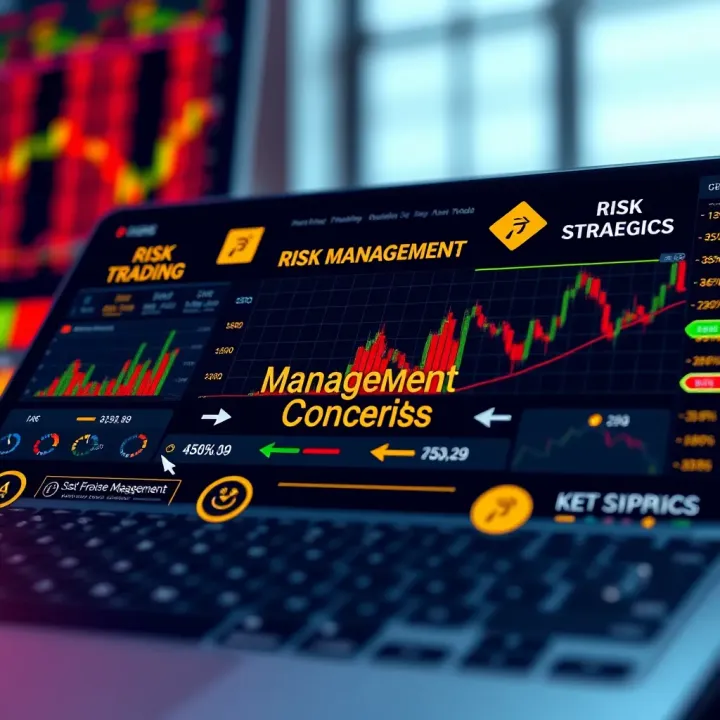
Forex charts are the primary tool for technical analysis, showing how prices move over time through line, bar, or candlestick formats. Candlestick charts, popular among traders, provide details about opening, closing, high, and low prices within specific periods.
By analysing these charts, traders spot entry and exit points. For instance, a sudden drop in the USD/KES pair may show a bearish trend, signalling a sell opportunity. Kenyan traders often review charts during London or New York sessions when market liquidity peaks.
Technical indicators simplify complex price data to highlight trends or reversals. Common ones include the Moving Average, Relative Strength Index (RSI), and Moving Average Convergence Divergence (MACD). For example, an RSI above 70 may indicate that a currency is overbought and due for a correction.
Using these indicators helps traders avoid emotional decisions by providing objective signals. A Kenyan trader might combine a 50-day Moving Average with RSI to confirm a strong trend before placing a trade.
Spotting trends and chart patterns allows traders to anticipate future market moves. A sustained upward movement suggests a bullish trend, while downward moves indicate bearishness. Patterns like head and shoulders, double tops, or flags can hint at reversals or continuations.
Recognising these formations takes practice but pays off by enabling better timing of trades. For example, seeing a flag pattern on the EUR/USD chart could alert a trader to prepare for a breakout, either upwards or downwards.
Consistent market analysis, combining both fundamental and technical approaches, equips you with tools to navigate the forex market confidently. It helps you spot opportunities and manage risks effectively, crucial for success in the ever-changing forex environment.
Developing trading strategies is a vital step for anyone serious about forex trading. Without clear strategies, trading can quickly become a guesswork exercise prone to costly errors. When you have a defined plan, you make decisions based on evidence and analysis rather than emotion. This approach increases your chances of consistent profits while reducing the risk of impulsive losses.
A well-crafted trading strategy helps you identify the right times and conditions to enter or exit trades. For example, choosing a scalping strategy means you target small profits from short-term price movements, which suits traders who can monitor the market closely. On the other hand, swing or position trading involves longer holding periods and larger price moves, better for traders who cannot sit in front of screens all day.
Scalping involves making many quick trades throughout the day, aiming for small profits from tiny price changes. It's like picking up many small coins rather than waiting for big bills. For Kenyan traders with fast internet connections and access to reliable brokers, scalping can be profitable but requires sharp focus and fast decision-making. Day trading, meanwhile, keeps all positions closed before the market closes for the day. This avoids overnight risks such as unexpected market news while still seizing short-term price movements. Both strategies demand active market monitoring and discipline.
Swing trading holds positions for several days or weeks to capture medium-term trends. It suits those who track economic reports or use technical analysis to spot trends but don’t want to be glued to the screen all day. Position trading takes this further—traders keep positions open for weeks or even months, aiming at major market moves. This approach is practical for busy professionals or investors who combine forex with other ventures; it relies more on strong fundamental analysis like interest rate expectations or political developments.
Choosing when to enter or exit a trade is central to your plan. Entry points could be when a currency pair hits a specific support level or breaks a resistance boundary, signalling a likely price move. For example, if USD/KES breaks above a known resistance, it could signal a good buying opportunity. Exit points are equally crucial—they lock in profits or prevent bigger losses. They should be clear before trading starts, not decided on the fly.
Stop loss orders automatically sell a position if the price moves against you by a defined amount, limiting losses. Take profit orders do the opposite by closing a trade once a set profit target is reached. For instance, if you enter a trade on EUR/USD, a stop loss might be 50 pips away to cap losses, while a take profit might be 100 pips to capture gains. Using these tools avoids emotional decisions and keeps trades within your risk limits.
Before using a strategy with real money, backtesting helps you check how it would have performed using historical data. For example, you could test your scalping technique on past USD/UGX charts. This process highlights strengths and weaknesses without risking cash. It also builds confidence and can lead to valuable strategy tweaks. Many trading platforms in Kenya, like MetaTrader, provide tools to easily backtest your ideas.
A clear, tested trading strategy is your best guard against unpredictable market swings. It turns trading from a gamble into a calculated business move.
Developing and sticking to your own trading plan tailored to your lifestyle and risk appetite boosts both your success and your trading confidence.
Risk management in forex trading is key to surviving the market’s ups and downs. Without it, even the most carefully planned trades can end up empty-handed. Effective risk management helps you shield your capital and trade with confidence, especially in a market as volatile as forex.
When trading, knowing how much of your account value to risk at a time prevents big losses. Calculating position size means limiting each trade to a small percentage of your total capital, commonly 1-2%. For example, if you have KSh 100,000 in your account, risking KSh 1,000-KSh 2,000 on a single trade keeps losses manageable. This simple measure stops one loss from wiping out your progress and gives you room to learn and adapt.
Every trade involves risk, but the rewards should always outweigh the risks. A risk-reward ratio compares the possible loss against expected gain; a common target is 1:2 or higher. That means if you risk KSh 1,000, you aim to make at least KSh 2,000. By focusing on trades with favourable ratios, you increase your chances of staying profitable over time even if many trades don’t work out.
New traders often fall into traps like risking too much on one trade or ignoring stop-loss orders. These errors quickly erode capital and confidence. Avoiding such pitfalls means using stop losses religiously, never chasing losses, and sticking to your trading plan. For instance, if a trade hits your stop loss at KSh 1,000 loss, don’t try to recover by doubling down next trade. That’s a fast road to deeper losses.
Fear and greed are powerful emotions that can cloud judgement. Many traders exit too early due to fear or hold losing positions for too long hoping for a turnaround. Learning to manage these emotions involves trusting your analysis and sticking to your rules. For example, if your strategy says to exit a trade, follow it even if you feel tempted to stay. Calm, unemotional decisions help you avoid costly mistakes.
Discipline is about following your trading plan without wavering. It means setting clear rules for entry, exit, and risk management — then respecting them. Successful traders have seen how impulsive moves wreck accounts. Keeping a daily log of trades and outcomes can improve discipline by promoting accountability. For instance, refusing to trade outside your best hours reduces unnecessary exposure.
Losses are part of trading; no one wins every time. The trick is to accept losses without getting demoralised or reckless. Treat losses as lessons to improve your strategy and decision-making. For example, if a loss results from ignoring a key technical signal, note it and adjust your plan. This mindset limits emotional setbacks and builds resilience over time.
Managing risks and mindsets in forex trading isn't about eliminating losses altogether—it’s about handling them so you can trade another day. The right approach keeps your money safe and your head clear.
By focusing on these risk management techniques alongside solid psychological control, traders in Kenya can build a steady foundation to face forex markets with greater confidence. Remember, trading well is not about hitting jackpot trades, but managing your trades smartly day after day.
Starting forex trading in Kenya opens up opportunities for many to engage in global currency markets from the comfort of their homes. With increasing internet access and mobile money integration like M-Pesa, Kenyans can now participate actively in forex trading with relatively low capital. However, success depends on choosing the right broker, understanding the tools available, and taking practical steps carefully.
Regulations ensure your broker operates fairly and securely. In Kenya, brokers should ideally be licensed by the Capital Markets Authority (CMA). This licence means the broker follows rules designed to protect traders from fraud or unfair practices. For instance, a broker registered with CMA must keep client funds separate from its own business funds, reducing risk if the broker encounters difficulties.
Besides CMA, some Kenyan traders prefer brokers regulated by respected global authorities such as the Financial Conduct Authority (FCA) or Australian Securities and Investments Commission (ASIC). These licences add extra layers of trust and accountability. Always verify the broker’s regulatory status on their website or the regulator’s official platform.
The platform you trade on impacts ease and effectiveness. Many Kenyan traders use MetaTrader 4 (MT4) or MetaTrader 5 (MT5) because these platforms offer comprehensive tools for charting, technical analysis, and automated trading through expert advisers (EAs). They are also supported by most brokers and available on desktop, mobile, and web.
Some brokers offer proprietary platforms with features tailored for local users, like easier M-Pesa integration or Swahili language options. Before committing, try demo versions of platforms to see which suits your trading style and device best.
Brokers offer various account types to match different trading needs. Common accounts in Kenya include micro-accounts for beginners with low minimum deposits (e.g., KSh 1,000) and standard accounts for experienced traders wanting larger volume.
Funding options matter too. Many Kenyan traders prefer quick and convenient methods such as M-Pesa or bank transfers. Good brokers ensure seamless deposits and withdrawals through these channels with minimal charges and reasonable processing time.
Starting requires opening a trading account, which is usually straightforward. You provide identification documents like a national ID and proof of residence. Some brokers may also request a tax PIN from the Kenya Revenue Authority (KRA) to comply with regulations.
Once verified, you gain access to the broker’s trading platform. Depending on your account type, you can start with live funds or demo practice.
Demo accounts let you trade with virtual money, mimicking real market conditions without risking your cash. This is vital for building skills, testing strategies, and getting comfortable with the platform.
For example, a new trader can try scalping or swing trading on a demo account to see how they handle price changes and orders before moving to live trading.
When ready to trade with real money, funding your account should be simple. Most Kenyan traders use M-Pesa or direct bank transfers, which are widely accepted by brokers.
M-Pesa deposits are quick and convenient, often reflected instantly on trading accounts. Bank transfers might take longer but can handle larger sums. Some brokers also accept funding through credit or debit cards, but these may have extra charges.
Choosing brokers and trading tools tailored for Kenyan conditions, combined with practical learning, sets a strong foundation for growing in forex trading. Careful attention to regulations, platforms, and funding helps avoid common pitfalls and ensures smoother trading experience.
📈 Master forex trading with easy-to-use PDF notes! Learn key terms, strategies, and how Kenyan traders can apply insights to real markets. Start trading confidently today.
📘 Learn forex trading basics, proven strategies, and risk management in Kenya. Download free PDFs and start your trading journey with confidence today! 💹
Learn practical forex trading strategies in PDF format tailored for Kenyan traders 🇰🇪. Use M-Pesa and mobile platforms for smooth, local-friendly trading experiences 📈💻.
📈 Learn practical forex trading in Kenya with clear PDF notes! Understand basics, strategies, risk management & market analysis to boost your trading success.
Based on 11 reviews