
Best Forex Trading Platforms in Kenya: A Practical Guide
Explore top forex trading platforms in Kenya 🇰🇪, compare features, strengths, and pick the best fit for your trading style and needs 💹📊
Edited By
Chloe Mitchell
Forex trading is gaining traction in Kenya as more investors seek to tap into global currency markets. Before you make your first trade, understanding how to access and operate forex trading platforms is a must. This section guides you through registering, logging in, and managing your forex account with practical, Kenya-specific insights.
To start forex trading, first pick a reputable broker licensed under Kenya's Capital Markets Authority (CMA). This licensing ensures your funds and trades have some level of protection. Popular brokers like FXPesa, HotForex, and Exness offer user-friendly online platforms tailored for Kenyan traders.
Registration typically involves filling out your basic details and submitting identification, such as your national ID or passport. Some platforms may require proof of residence or a mobile number linked to M-Pesa for deposit and withdrawal purposes.
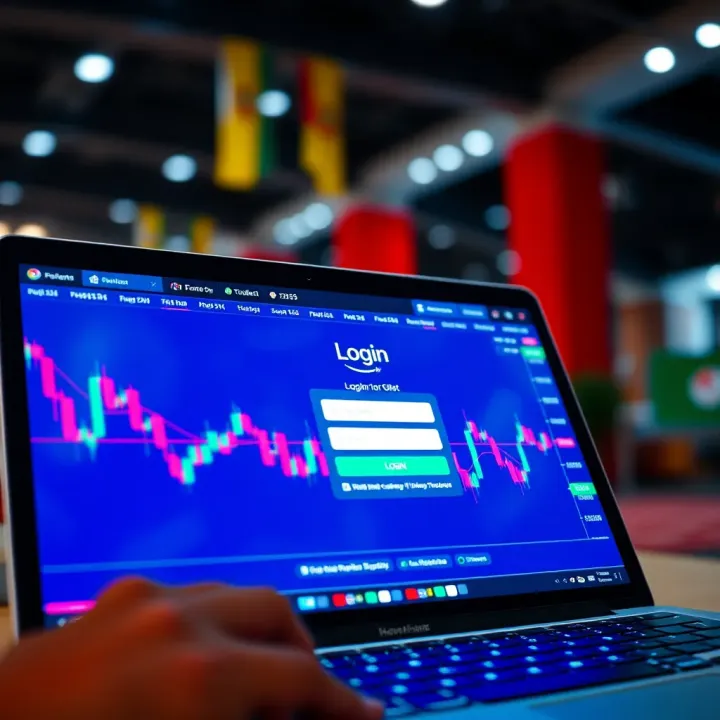
After registering, you receive login credentials—usually a username or email and a password. To access your trading account:
Visit the broker’s official website or mobile app.
Enter your username/email and password.
Complete any two-factor authentication (2FA) if enabled, often through an SMS code or an authenticator app.
Remember to avoid logging in through public Wi-Fi without a VPN, as this exposes sensitive information.
Always verify you are on the correct website by checking the URL and security certificate before entering credentials.
Securing your forex account is vital:
Use a strong, unique password combining letters, numbers, and symbols.
Enable 2FA whenever possible.
Regularly update your password, especially if you suspect suspicious activity.
Most platforms allow you to set daily withdrawal limits or restrict logins to specific IP addresses for added security. Don’t hesitate to contact customer support if you notice unusual activity.
If you struggle to log in:
Double-check your email and password for typos.
Use the 'Forgot Password' option to reset your password.
Clear your browser cache or try a different browser.
Ensure your internet connection is stable.
Contact customer service for account lockouts or technical difficulties.
In Kenya, where internet speed varies, using the broker’s mobile app can sometimes offer smoother access than web platforms.
Navigating forex platforms confidently helps you focus on making informed trading decisions without technical hiccups. The next sections will help you select the right broker and understand Kenya’s regulatory framework for forex trading.
Setting up a forex trading account is the first step any Kenyan trader must take to enter the foreign exchange market. A properly established account gives you access to real-time trading, market data, and tools to manage your investments. Without this setup, engaging in forex trading online isn’t possible, so focus on choosing the right broker and registering correctly to start on solid footing.
Selecting a broker goes beyond just colourful websites and flashy offers. Look for brokers that offer competitive spreads, reliable trade execution speeds, and transparency in fees. For example, some brokers charge hidden commissions or widen spreads during volatile sessions, which can eat into profits quickly. Also, check if the platform supports local payment options like M-Pesa and accepts Kenyan traders without unnecessary restrictions.
Working with brokers registered or authorised by Kenya’s Capital Markets Authority (CMA) adds an important layer of safety. The CMA ensures these brokers meet minimum standards for investor protection. Brokers complying with local rules tend to be more trustworthy and responsive. For instance, if you come across brokers operating without CMA approval, it’s safer to avoid them due to the risk of unfair practices.
Some forex brokers have a stronger presence and reputation in Kenya. Examples include XM, Exness, and HotForex, which provide easy account opening for Kenyans and support M-Pesa deposits and withdrawals. These brokers offer user-friendly platforms that cater to different skill levels, from beginners to pros. Familiarising yourself with their terms before committing can save you headaches down the line.

When opening an account, you’ll need to provide several documents as part of the Know Your Customer (KYC) process. Commonly required are a valid Kenyan ID or passport, proof of residence like a recent utility bill, and sometimes a bank statement. These help verify your identity and reduce fraud risk. Preparing these documents beforehand smoothens registration without delays.
Typically, the registration begins online by filling out a form with your basic details: full name, email, phone number, and address. Then, select your account type, preferred base currency, and leverage level, keeping risk in mind. For example, a new trader might choose lower leverage to manage risks better. After submission, you usually upload your documents for verification.
Verification is a crucial step where the broker confirms your identity and address. This process can take from a few hours to a couple of days depending on the broker. During verification, they might request additional information if documents appear unclear or inconsistent. Once verified, you’ll receive confirmation to start funding your account and trading confidently.
Opening your forex trading account carefully, with the right broker and correct registration, lays a strong foundation for your forex journey in Kenya. Skipping or rushing through these steps could lead to issues such as account freezes or losing access to your funds.
By paying attention to these setup details, you prepare yourself better to engage in forex trading with confidence and safety.
Logging in securely to your forex trading account is a vital step in protecting your investments and personal information. Forex trading platforms handle sensitive financial data, so compromised login details can lead to loss of funds or identity theft. For Kenyan traders, where mobile and web access typically mix, ensuring safe logins helps maintain confidence in using these digital platforms. Proper login practices minimise risks and support smooth trading experiences.
Navigating to the login page is your first task before trading. Always access the trading platform through its official website or mobile app. Bookmark the genuine forex broker website or download apps only from trusted stores like Google Play or the Apple App Store. Avoid clicking on links from emails or social media posts as these can sometimes be fake and direct you to scam sites.
Once on the official site, locate the login button usually placed at the top right or centre of the homepage. On mobile apps, the login prompt appears once you open the app. Kenyan traders often rely on mobile data or public wifi, so double-check the URL begins with "https" to ensure the connection is secure.
Using correct login credentials is equally important. Most forex platforms require a username or email combined with a password. Use the exact credentials you created during registration. Mixing up usernames or misspelling an email can lock you out or trigger extra security steps. If you trade via M-Pesa or linked payment options, keeping your registration details consistent helps during fund transfers.
Avoid saving passwords on shared devices like public computers or internet cafés used in Nairobi or other towns. Instead, use a password manager or write down details in a secure place to prevent accidental loss or misuse.
Creating strong passwords is your first line of defence against hacks. A strong password combines upper and lower case letters, numbers, and symbols, making it harder for cybercriminals to guess. For instance, instead of "Kenya123", use something like "K3nya!2024#" which mixes different characters. Changing your password every few months reduces chances that stolen credentials remain useful.
Two-factor authentication (2FA) adds an extra layer of protection. After entering your password, the platform sends a one-time code to your mobile phone or email that you must input to complete login. This makes life harder for hackers who might steal passwords but lack access to your phone. Popular Kenyan brokers and international platforms alike offer 2FA through SMS or apps like Google Authenticator. Enable it where possible.
Avoiding phishing and scams requires vigilance. Phishing attempts come as fake emails or messages pretending to be your broker or bank, asking for login details or payment. Always verify contacts before sharing information. Kenyan traders have reported fake Safaricom or bank alerts designed to steal credentials. Be cautious with unsolicited requests or links. When in doubt, contact your broker directly through official channels.
Keeping your login information safe protects your hard-earned shillings and trading opportunities. Practising secure login habits goes a long way in avoiding costly mistakes on forex trading platforms.
By understanding how to access your platform properly and applying strong security measures, you keep control over your account. These steps tie directly into your overall trading success and peace of mind in the Kenyan forex market.
Issues logging into your forex trading account can disrupt your ability to monitor trades, respond to market changes, or manage your funds. Knowing how to troubleshoot common login problems keeps your trading journey smooth and secure. This section focuses on practical solutions to frequent challenges like forgotten passwords, account lockouts, and other access problems often faced by Kenyan traders.
Resetting your password securely is essential for protecting your trading account from unauthorised access. Most forex platforms offer a "Forgot Password" option where you provide your registered email or phone number. A secure, temporary link or code is sent, allowing you to create a new password. Always set a strong password combining uppercase, lowercase, numbers, and symbols to make your account tougher to breach.
In Kenya, some brokers link account recovery to your mobile number or national ID, adding an extra layer of security. For example, after requesting a reset, you might receive an SMS with a verification code to confirm your identity before proceeding.
Contacting customer support becomes vital when you cannot reset the password yourself or suspect your account is compromised. Reputable forex brokers provide multiple support channels like live chat, email, or phone. When reaching out, have your account details and identification ready to speed up verification. Kenyan traders often prefer platforms with responsive customer care during Nairobi business hours to handle urgent issues swiftly.
Customer support can also guide you through manual recovery steps or flag suspicious activity, ensuring your account’s safety beyond standard automated resets.
Common causes for lockouts include multiple failed login attempts, suspicious activity triggers, or security policy updates by your broker. For instance, typing the wrong password several times can temporarily lock your account as a precautionary measure against hacking.
Sometimes, brokers update their platform security, requiring users to reset passwords or re-verify identity. Kenyan traders may also face issues due to network glitches during login or browser cache problems.
Steps to regain access usually begin with following the recovery prompts on your platform such as resetting the password or confirming your identity via email or mobile SMS. Keep safe copies of verification documents, and regularly update your contact information to avoid complications.
If these steps don't work, contacting customer support is the next move. Explain the issue clearly, including any error messages, to get tailored assistance. Some brokers provide a temporary login or alternate verification methods to restore access quickly.
Staying familiar with these troubleshooting steps saves time and relieves stress, ensuring your focus stays on trading effectively rather than technical hitches.
Being proactive about these issues also minimises downtime and protects your trading funds from exposure during login difficulties.
Effectively managing your forex trading account is key for staying on top of market opportunities and protecting your investment. It involves understanding your platform’s dashboard and regularly updating your account settings. This active approach helps you make timely decisions, avoid mistakes, and ensures your trading activities run smoothly.
The trading dashboard is your command centre, showing real-time market prices, charts, open positions, and account balance. Key features include live quotes for currency pairs, technical analysis tools like moving averages or RSI (Relative Strength Index), and news feeds. For example, a Kenyan trader tracking GBP/USD will rely on the dashboard to spot price moves triggered by UK economic reports or Kenyan shilling fluctuations.
Besides market data, the dashboard also offers tools for managing open trades and viewing transaction history. Getting familiar with these features lets you react quickly to price changes and adjust your strategy. A trader can use the charting tools to set stop-loss or take-profit levels, helping manage risk effectively.
Placing trades and managing orders is straightforward once you know the dashboard layout. You can open a buy or sell order with a few clicks, specifying order size and type (market, limit, or stop order). These order types allow you to control when and how your trades execute. For instance, setting a limit order to sell USD/KES when it hits a target price avoids constantly watching the market.
Order management also includes modifying or closing trades. If the market moves against your position, quickly adjusting stop-loss levels can limit losses, which is crucial for protecting your funds. The dashboard’s order list helps monitor all active trades in one place, improving efficiency.
Keeping your personal details current is more than just a formality. Accurate information – such as your phone number, email, and physical address – ensures you receive important notifications, such as withdrawal approvals or security alerts. If you change your contact details and don’t update your account, you risk missing time-sensitive information.
Managing payment methods is particularly important in Kenya, where M-Pesa dominates. Linking your M-Pesa number or bank account allows for smooth deposits and withdrawals. Always make sure your payment details are correct to avoid delays or errors in fund transfers. For example, if you switch from Equity Bank to KCB, updating the bank details promptly saves you from withdrawal headaches.
Most platforms allow multiple payment methods and let you switch between them. Keeping track of your preferred payment option is essential, especially during busy trading periods when quick access to funds matters. Regular upkeep of payment info supports seamless trading and builds trust with your broker.
Managing your account actively helps you avoid surprises, protect your capital, and stay responsive to market changes. It’s a small effort with big rewards in the daily trader’s life.
Knowing the local regulations around forex trading is key for anyone looking to trade from Kenya. These rules protect investors and ensure the market operates fairly. They can help you avoid scams and pick brokers licensed to offer forex services legally. For example, Kenya’s Capital Markets Authority (CMA) oversees forex brokers to confirm they meet national standards.
The CMA regulates forex brokers trading in Kenya. Brokers must get a licence from CMA before operating. This licence confirms they have the right technical capability, financial backing, and business integrity to safeguard your funds. Without CMA approval, a broker is essentially operating outside Kenyan law, increasing your risk of losses or fraud.
Licensing matters because it enforces transparency and accountability. CMA keeps a list of authorised brokers, so you can check if a platform you're interested in is registered. For instance, brokers like Exness and HotForex hold CMA licences, giving Kenyan traders confidence they are operating within legal frameworks.
Beyond licensing, CMA issues guidelines aimed at protecting investors. They require brokers to hold client funds separately from company assets, which reduces the chance of misuse. They also promote fair trading practices and mandate clear disclosure of risks involved in forex trading.
These protections mean if a broker fails to meet obligations, there is a local authority you can approach for recourse. It helps prevent losses due to broker negligence or fraud, and ensures Kenyan traders gain access to essential market information, promoting informed trading decisions.
Avoiding unauthorised platforms protects you from fraud. Many unlicensed websites mimic legitimate brokers but operate as scams aiming to steal deposits. Stick to platforms licensed by CMA, and avoid offers that promise guaranteed high returns or pressure you to invest quickly. For example, if an unknown website asks for large deposits without proper verification processes, that’s a red flag.
Reporting suspicious activities safeguards the whole trading community. If you notice something fishy — like a broker delaying withdrawals, fake emails, or phone calls requesting your login details — report it to CMA immediately. Your complaint helps authorities investigate and potentially shut down fraudulent operations harming others.
Staying alert and only using authorised, regulated platforms significantly reduces risks in forex trading and supports a trustworthy market environment in Kenya.
By keeping up to date with CMA announcements and adhering to Kenyan laws, you trade smarter and safer. This approach gives you a better chance to focus on strategy and growing your forex portfolio without worrying about illegal practices or sudden platform shutdowns.
Explore top forex trading platforms in Kenya 🇰🇪, compare features, strengths, and pick the best fit for your trading style and needs 💹📊
Explore top forex trading platforms in Kenya 🇰🇪! Compare fees, ease of use, security, and local support to trade confidently using M-Pesa and local methods safely.
Discover the best forex trading apps in Kenya 🇰🇪! Learn how to choose, download, and use them safely for smarter trading decisions 📱💹.
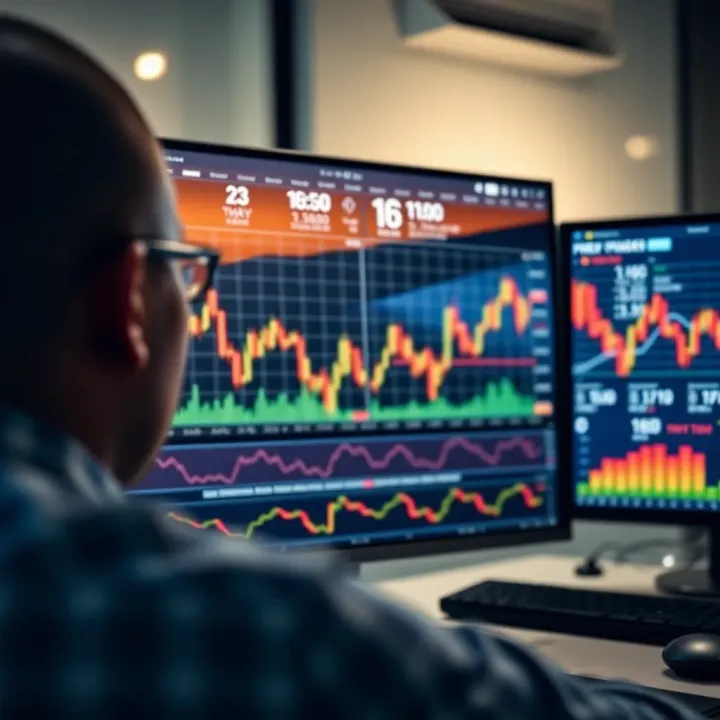
Find the ideal forex trading platform in Kenya 🇰🇪 with our guide! Learn about features, costs, security, and top picks for traders of all levels 💹.
Based on 7 reviews