
Understanding Risk Management: Practical Guide
Explore practical risk management basics ➡️ understand key strategies, challenges, and how Kenyan businesses safeguard success effectively.
Edited By
Isabella James
Risk management might sound like a fancy term for only big companies or banks, but it’s actually a practical tool that every investor, trader, and businessperson needs. Simply put, risk management is about identifying, assessing, and controlling threats to your financial or business goals. These threats could come from changing market conditions, client defaults, political instability, or even natural disasters.
In Kenya, where market conditions can shift quickly due to economic policy changes or regional events, managing risk well helps protect your investments and keeps your ventures afloat. For example, a trader in the NSE must watch for sudden currency swings that could eat into profits. Meanwhile, a small business owner in Kisumu needs to consider supply chain hiccups during heavy rains.
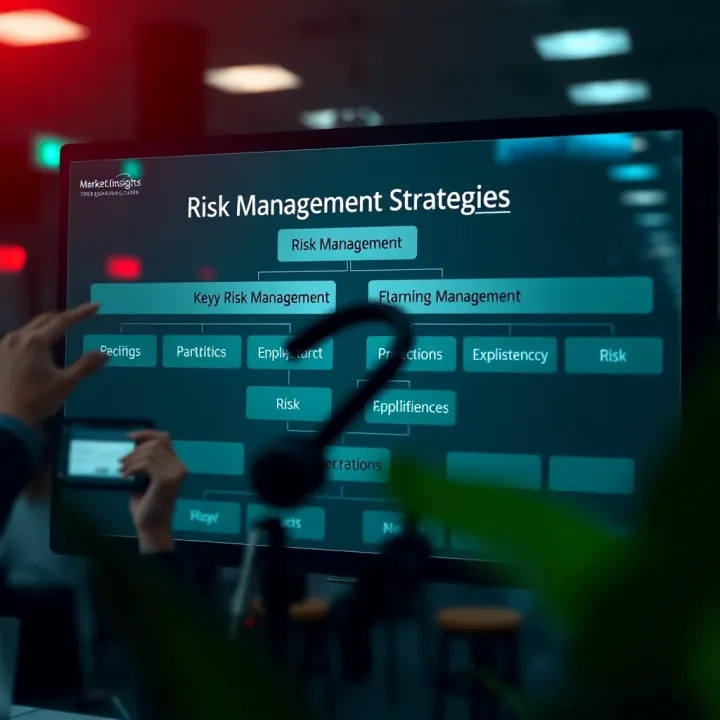
That’s where practical PDFs come in. PDFs offer a straightforward, portable way to access and share detailed risk management strategies, tools, and case studies. Unlike long, dense books or complicated software, PDFs can be downloaded easily on mobile devices or laptops and studied at your own pace. They often include checklists, flowcharts, and real-world examples tailored to the Kenyan market.
Many risk management PDFs walk you through key frameworks such as:
Risk Identification: spotting what might go wrong
Risk Analysis: measuring the likelihood and impact
Risk Mitigation: developing ways to reduce or avoid risks
Risk Monitoring: keeping an eye on risk factors regularly
Using these resources, you can learn to assess your exposure better — whether you are dealing with forex trading, agricultural investments, or corporate projects.
Practical risk management is about turning uncertainty into manageable steps. Using clear PDFs designed with Kenyan realities in mind helps you stay informed and ready.
To make the most of these PDFs, focus on actionable content. Look for examples that reflect local industries, like tea farming in Kericho or tech startups in Nairobi. Also, ensure you understand common terms and can apply the advice to your context.
In short, risk management isn’t just theory but a tool to guard your capital and grow confidently. Practical PDFs help translate this tool into hands-on knowledge that fits the Kenyan environment.
As you continue reading, you’ll find detailed methods, examples, and tips on how to use these PDFs to improve your decision-making and safeguard your assets.
Risk management means spotting, assessing, and handling potential problems that could affect a business or project. In Kenya, this practice is essential for anyone wanting to protect investments or maintain steady operations, especially in sectors like agriculture, banking, and trade. For example, a coffee farmer in Kericho must manage risks such as unpredictable weather or market price swings. Proper risk management helps reduce unexpected losses and ensures resources are used effectively.
In practical terms, risk management equips you to face uncertainties with confidence rather than fear.
Kenyan businesses and individuals face a range of risks including:
Market risks: Sudden changes in prices of goods like maize, or fluctuations in forex rates affecting importers.
Operational risks: Breakdowns in supply chains, delays in mobile money transactions, or equipment failure in manufacturing.
Financial risks: Loan defaults, interest rate changes by Central Bank of Kenya, or poor cash flow management.
Compliance risks: Failure to meet KRA tax requirements or NHIF contributions leading to penalties.
Political risks: Changes in government regulations after elections, or issues arising from county-level governance.
Understanding these risks helps you identify where you might be vulnerable.
The main goal of risk management is to minimise threats that could harm your business or goals. It seeks to:
Protect assets and resources: For example, an SME using fire insurance to guard against accidental damage.
Ensure business continuity: Avoid situations where disruption shuts down operations—say, having backup internet when MTN Mobile is down.
Meet legal and regulatory obligations: Like abiding by labour laws and tax deadlines.
Enhance decision-making: Knowing potential risks ensures better choices, such as whether to import goods now or wait for forex stability.
Improve stakeholder confidence: Investors and partners feel safer when risks are well-managed.
By focusing on these objectives, risk management strengthens your business’s resilience and long-term success.
PDFs provide a simple yet powerful way to access and apply risk management knowledge. Many practical guides, frameworks, and case studies are available in PDF form, making it easier for investors, traders, and financial analysts to get reliable and consistent information anytime. In Kenya, where internet reliability can be patchy, PDFs offer an advantage because they can be downloaded and referred to offline without losing formatting or detail.
PDFs maintain the original layout of documents, which is vital for understanding complex risk frameworks and detailed data. Tables, charts, and diagrams appear as intended, preventing misinterpretation. The format is widely compatible with different devices and operating systems, so whether you're using a laptop in Nairobi or a mobile in Mombasa, PDFs remain accessible. Additionally, PDFs are easy to share over email or via platforms like WhatsApp and can be printed where needed.
Kenyan government agencies often release PDFs covering regulations, compliance standards, and risk policies. For example, reports from the Capital Markets Authority (CMA) provide insights into investment risks specific to the Nairobi Securities Exchange (NSE). These publications give local context and legal frameworks investors must follow. Accessing these PDFs ensures that stakeholders stay updated on the latest rules and risk advisories directly from authoritative sources.
Global bodies like the World Bank, International Finance Corporation (IFC), and United Nations regularly publish risk management guidelines and research in PDF form. Kenyan businesses benefit by aligning their practices with international standards, especially when seeking foreign investment or developing partnerships. These documents often include case studies pertinent to developing economies similar to Kenya, providing practical lessons and benchmarks.
Banks, insurance firms, and consultancy companies in Kenya produce detailed risk management analyses typically available as PDFs. For example, Equity Bank's risk assessment reports offer insights into how financial institutions handle credit and operational risks in the Kenyan market. These reports provide updated data and practical strategies that businesses and investors can adapt according to their specific sector needs.
In Kenya, small and medium enterprises (SMEs) increasingly rely on PDFs for training and reference because they are easy to download once and reuse multiple times. PDFs do not demand constant internet access, which suits many rural and peri-urban areas with limited connectivity. Tools like Adobe Reader are freely available, and affordable smartphones can handle larger PDF files.
Besides ease of access, PDFs allow businesses to build customised libraries of relevant risk management materials, from government regulations to sector-specific reports. This approach ensures ongoing learning and quicker response times to emerging risks. Furthermore, sharing PDFs inside organisations simplifies training and consultation, making risk management knowledge more inclusive and community-driven.
Using PDFs bridges the gap between theory and practice, giving Kenyan professionals practical, well-structured resources to improve how they identify, assess, and respond to risk.
Risk management frameworks and methodologies form the backbone of effective risk handling in any organisation. PDFs often present these in a structured way, giving Kenyan investors, traders, financial analysts, brokers, and educators practical tools to identify, assess, and mitigate risks. These frameworks simplify complex processes, offering clear steps you can follow to protect finances or business operations from unexpected threats.
By using well-documented methods found in PDFs, users gain access to tested approaches suited for different industries and scales. For instance, a financial broker can apply risk assessment techniques while an educator might focus on risk mitigation strategies for institutional safety. Practical examples, such as how a Nairobi-based SME uses checklists to spot operational risks, show these frameworks in action.
Checklists offer a straightforward method to spot risks by listing potential concerns relevant to your context. For example, a trader might use a checklist to verify market risks such as currency fluctuations or regulatory changes. Such lists, often included in PDFs, help ensure no common risk is overlooked during planning or daily operations.
This method works well in maintaining consistency and clarity in the identification phase. Even small businesses in Kenya can adapt checklists from PDFs to fit their sector, helping staff remember key risk areas without reinventing the wheel.
Brainstorming encourages diverse teams to gather and share ideas on potential risks without judgement. For Kenyan businesses, this can mean bringing together people from different departments to discuss challenges like supply chain disruptions or logistical issues during the long rains season.
PDF guides often explain how to structure brainstorming sessions effectively, balancing free thought with goal orientation. This approach uncovers hidden or emerging risks that checklists might miss, especially in dynamic markets.
SWOT (Strengths, Weaknesses, Opportunities, Threats) analysis provides a balanced view of internal and external factors affecting an organisation. A financial analyst, for instance, could apply SWOT to evaluate how regional economic changes impact investment portfolios.
PDF resources detail how to use SWOT to spot internal weaknesses or external threats, and turn some of those weaknesses into opportunities. For Kenyan enterprises, this means aligning risk management with business strengths and market reality.
Qualitative risk assessment uses descriptive measures rather than numbers to evaluate risk impact and likelihood. This suits businesses lacking detailed data but needing a practical overview, like a jua kali workshop judging reputational risks from poor customer feedback.
PDFs offering templates and scoring systems help standardise these evaluations, making results easier to communicate within an organisation or to partners.
Quantitative methods apply numerical data and statistical techniques to assess risks precisely. Traders and financial analysts benefit from this by modelling price volatilities or credit risks using real market data.
PDFs often include formulas and case studies demonstrating value-at-risk (VaR) or Monte Carlo simulations, enabling users to make informed decisions based on probabilities rather than guesswork.
Risk avoidance means steering clear of activities likely to cause harm. For example, an investor might avoid a volatile market sector after assessing its risks via PDFs highlighting historical trends. This strategy removes exposure altogether rather than managing it.
While effective in some contexts, avoidance might limit opportunities, so it’s a careful balancing act requiring thoughtful decision-making.
Risk reduction focuses on lessening the likelihood or impact of risks. In practical terms, a company could upgrade its IT systems following guidelines in a cybersecurity PDF to reduce data breach risks.
This strategy is common and often combined with others to create multiple layers of defence, especially important in financial and business sectors.
Risk transfer shifts the burden to a third party, usually through insurance or contracts. Kenyan businesses frequently transfer risks by buying insurance policies for assets or liabilities, guided by standards found in industry PDFs.
Knowing how to evaluate and choose appropriate transfer methods ensures that risks do not cripple operations when they occur.
Sometimes, risks are minor or unavoidable, and organisations choose to accept them while monitoring carefully. For instance, a small trader might accept daily currency fluctuations as part of doing business, focusing on managing cash flows instead.
PDFs often provide criteria for deciding when acceptance is reasonable, helping businesses avoid overcomplicating their risk response.
Understanding these frameworks through PDFs equips Kenyan professionals with proven strategies to handle risks effectively. The structured approaches ensure no stone is left unturned from identification to mitigation, making risk management a practical, achievable part of daily operations.
Risk management PDFs offer a wealth of information that can aid businesses, investors, and financial analysts in identifying and handling risks effectively. However, the real value lies in how you interpret and apply this information to your specific situation. Misunderstanding or misapplying these guidelines can lead to wasted resources or increased vulnerabilities. Taking time to critically assess and tailor the content ensures practical benefits and relevant outcomes.
Always start by assessing where the PDF came from. A government publication like those from the Capital Markets Authority (CMA) or Central Bank of Kenya (CBK) will generally have authoritative and well-researched information compared to an unknown private source. For example, a PDF on market risks from CME Group might not fully apply to Nairobi Securities Exchange (NSE) conditions. Evaluating credentials boosts confidence in the data and recommendations you plan to use.
Many risk management frameworks are developed in foreign markets and may not reflect the unique challenges in Kenya. When reviewing PDFs, check if the examples, regulations, or case studies relate to sectors like agriculture, informal trading, or local banking conditions. Applying a framework designed for big corporates in New York without adjustments can miss risks common to Kenyan SMEs or jua kali artisans.
Risk landscapes shift continuously. A PDF published five years ago could miss critical updates like new KRA tax policies or CBK mortgage lending regulations. Always verify the publication date and seek the latest versions to avoid outdated information. For instance, changes in cybercrime laws require up-to-date guidance for investors relying on digital platforms.
Risk management isn’t one-size-fits-all. A large bank and a small tea farm face very different risks and resources. Tailor recommendations to your business scale and industry to ensure practical implementation. Small businesses might prioritise cash flow risks, while large investors consider portfolio diversification extensively.
Kenya’s business environment features specific laws from agencies like KRA, NHIF, or the Environmental Management Authority (NEMA). Any risk guidance you adopt should align with these rules. For example, risk mitigation strategies for the manufacturing sector should factor in local environmental regulations and labour laws.
Understanding local business customs and societal attitudes influences risk handling. Kenyan firms often rely on trust and relationships within communities, which impacts risk sharing and mitigation. Formal contracts might take a backseat to personal networks, so risk strategies should fit these realities.
Implement risk management early in project planning. PDFs often highlight this, yet some businesses wait until problems arise. Early integration helps identify risks upfront—like currency fluctuation risks in import-export deals—and allocate resources accordingly.
A risk plan is only as good as the people who follow it. Use PDFs to design training sessions that build awareness among employees or teams. For instance, educating traders about hedging methods found in a PDF can prevent careless exposures to forex swings.
Risk is dynamic. Set up regular reviews and monitoring systems based on PDF recommendations to track new threats or changing conditions. For example, a monthly audit of credit risks in microfinance institutions can catch defaults earlier, allowing quicker interventions.
Adapting and applying risk management from PDFs requires careful evaluation and local tailoring. This approach ensures strategies are effective and fit the real challenges faced in Kenya's business landscape.
Explore practical risk management basics ➡️ understand key strategies, challenges, and how Kenyan businesses safeguard success effectively.

🔍 Explore how risk management helps identify, assess, and control threats to protect businesses and individuals in Kenya from uncertainties & losses.
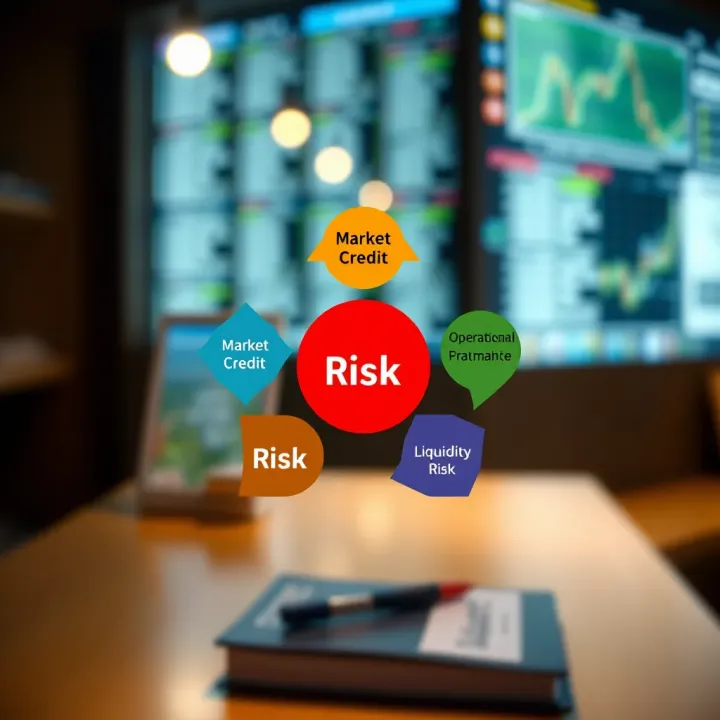
📊 Learn how financial risk management helps Kenyan businesses and individuals spot, measure, and control risks using practical tools and local resources.
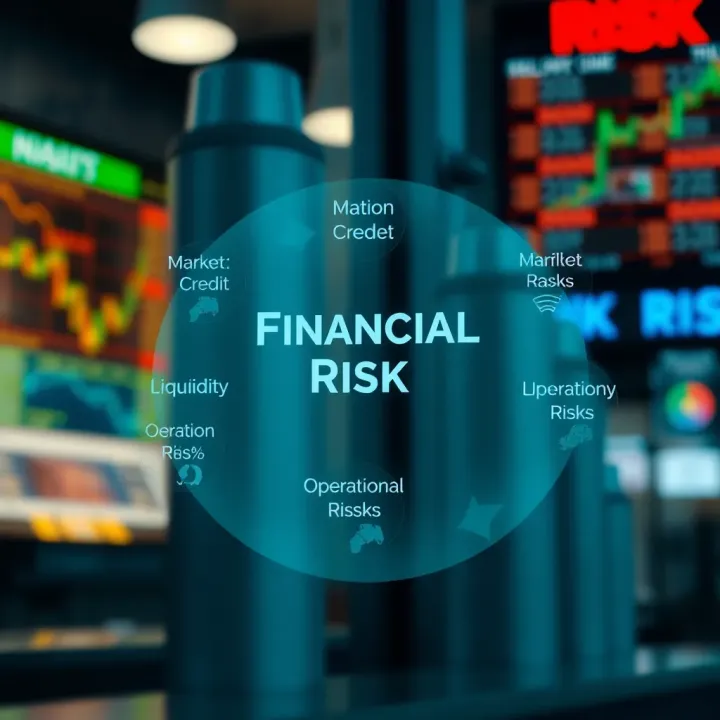
Discover how to spot, assess, and reduce financial risks in your business. Stay compliant and monitor risks continuously to protect your investments 💼📉
Based on 5 reviews