
Understanding Candlestick Patterns in Trading
📊 Learn how to read candlestick patterns in trading to spot price moves and make smart decisions. Perfect for traders in Kenya and beyond seeking practical tips!
Edited By
Charlotte Perry
Reversal candlestick patterns play a key role in trading by signalling when a current market trend might change direction. These patterns appear on price charts, visually showing shifts in trader behaviour and sentiment. Identifying them early can help investors and traders make timely entry or exit decisions, reducing risks and increasing potential profits.
In practical terms, a reversal pattern occurs after a sustained trend and suggests the momentum may be running out. For instance, after a strong upward move in a stock or currency, a reversal pattern might hint at a coming downtrend. Conversely, after a decline, reversal signals can suggest a bullish turnaround.

Kenyan traders often use candlestick charts alongside tools like Fibonacci retracements or moving averages to improve the accuracy of these signals. Understanding reversal patterns is especially useful in volatile markets, such as the Nairobi Securities Exchange (NSE) or foreign exchange pairs involving the Kenyan shilling.
Recognising reversal candlestick patterns isn’t just for experts; with practice, even beginner traders in Kenya’s markets can spot these formations and adjust their strategies accordingly.
Common reversal patterns include:
Hammer and Hanging Man: Both have small bodies with long lower shadows. A hammer after a downtrend signals possible bullish reversal, whereas a hanging man after an uptrend may warn of a reversal downwards.
Engulfing Patterns: A large candle that fully covers the previous smaller candle signals strong buying or selling pressure reversal.
Doji Candles: When the opening and closing prices are almost equal, it indicates indecision and potential reversal coming.
When using these patterns, consider volume, wider trend context, and supporting indicators to avoid false signals. This multi-factor approach strengthens decision-making across Kenyan markets and helps navigate price swings better.
In summary, reversal candlestick patterns are vital tools for traders aiming to anticipate market turns. They provide a visual shortcut to understanding market psychology and offer actionable insights when combined with other technical analysis elements.
Reversal candlestick patterns are visual signals on price charts that indicate a possible change in the current market trend. For traders and investors, recognising these patterns can mean the difference between entering or exiting positions at an opportune time or getting caught in unnecessary losses. In Kenya's growing trading environment—whether dealing with NSE-listed stocks like Safaricom or forex pairs—the ability to spot these patterns adds a practical edge.
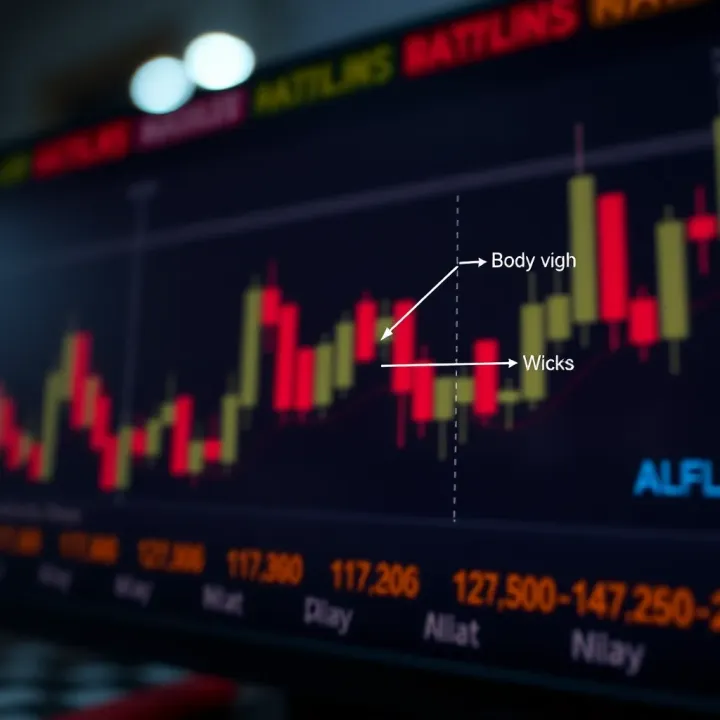
Candlestick charts display price movements within a set period, using 'candles' that reveal the opening, closing, high, and low prices. Each candle has a body and wicks (or shadows) above and below. The body shows the range between open and close, and its colour indicates market direction—typically green (or white) for upward movement and red (or black) for downward.
This visual format simplifies complex price data, making trends and potential reversals clearer at a glance. For instance, a long lower wick with a small body at the top might suggest buyers fought back after selling pressure, hinting at possible bullish reversal.

Reversal patterns form when market sentiment shifts, signalling that a prevailing trend is weakening or about to turn. Take the Hammer pattern as an example: it appears after a downtrend with a long lower wick and small body, suggesting that sellers tried to push prices lower but buyers regained control.
These signals don't guarantee a trend change but serve as useful warnings. Combining them with other factors like trading volume or support levels strengthens their reliability. For example, in the Kenyan market, a Bullish Engulfing pattern appearing near a known support level—say, Safaricom’s stock price reacting near KSh 40—might encourage traders to consider a long position.
Mastering reversal candlestick patterns helps you spot entry and exit points early, which is essential for effective risk management in trading.
Recognising these patterns supports smarter decision-making rather than reacting to price moves blindly. It’s about reading the market's mood shifts and positioning yourself accordingly, whether you trade equities, forex, or commodities. Most importantly, they help avoid chasing trends too late or holding losing trades for too long.
By understanding these basics and how reversal patterns work, you’ll be better placed to interpret price action and improve your trading outcomes in Kenyan and global markets.
Recognising common reversal candlestick patterns is essential for traders looking to anticipate market turns and adjust their positions accordingly. These patterns provide subtle but clear clues when a current trend may be losing steam, signalling a potential shift in direction. Getting familiar with their features helps investors decide when to buy or sell, reducing guesswork.
Hammer
The Hammer pattern appears mostly after a downtrend and signals a possible upward reversal. It has a small body near the top of the candle and a long lower wick—like the shape of a hammer. This shows that sellers pushed prices down during the trading period, but buyers regained control by the close, suggesting growing buying pressure. For example, in the NSE, spotting a hammer pattern on stocks like Safaricom during a price dip could hint at a rebound.
Morning Star
The Morning Star is a three-candle pattern signalling a strong bullish reversal. It starts with a long bearish candle, followed by a small-bodied candle showing indecision, and then a long bullish candle confirming the reversal. This pattern reflects a transition from selling to cautious buying, and finally confident buying. Traders often use Morning Star patterns to confirm entries after a price falls, especially when it aligns with support levels.
Bullish Engulfing
The Bullish Engulfing pattern involves a smaller bearish candle followed by a larger bullish candle that completely covers the body of the previous candle. This shows buyers have taken dominance after selling pressure, making it a reliable bullish signal. Practical application includes watching this pattern after a downtrend, signalling a possible end to the decline and a start of upward movement.
Shooting Star
In contrast, the Shooting Star signals a bearish reversal after an uptrend. It features a small body at the lower end with a long upper wick, indicating that buyers pushed prices higher but sellers forced them down again by closing. This rejection at higher prices suggests selling pressure may increase. For instance, in Kenyan shares like KCB Group, a shooting star near resistance can mark a turning point downward.
Evening Star
The Evening Star is the bearish counterpart of the Morning Star. It consists of a long bullish candle, a small-bodied candle showing indecision, and then a long bearish candle. This sequence points to buying momentum fading and sellers taking over, commonly signalling the start of a downtrend. Traders use it to plan exits or short positions after a price rally.
Bearish Engulfing
This pattern shows a smaller bullish candle followed by a larger bearish candle engulfing it entirely, revealing that sellers have overwhelmed buyers. It usually appears at the peak of an uptrend and marks potential price drops. Monitoring bearish engulfing on Nairobi Securities Exchange stocks, particularly near resistance zones, can give a good heads-up to reduce holdings.
These reversal patterns are more effective when combined with volume analysis and support/resistance levels. They provide a visual snapshot of market psychology and supply-demand shifts, aiding traders in making more informed decisions.
Understanding and recognising these candlestick patterns helps traders in Kenya and beyond to anticipate market changes and manage risk better. Knowing their features is a valuable tool in any trading strategy.
Identifying a reversal candlestick pattern is often just the beginning. To make smarter trading decisions, you need to confirm these patterns using trading volume and the market context. Without this confirmation, you risk acting on false signals, which can lead to losses. In Kenyan markets—where volatility tends to spike around news events and market openings—this step is especially important.
Trading volume shows how many shares or contracts changed hands during a given period. When a reversal pattern forms alongside increasing volume, it signals stronger conviction among traders. For example, if a bullish hammer pattern appears at a support level accompanied by a volume spike, it suggests buyers are stepping in decisively.
On the other hand, if volume remains low during a reversal pattern, it can indicate weak participation, and the market may not truly be ready to change direction. Consider a case where a bearish engulfing pattern shows up but trading volume is flat or declining; this could imply that sellers lack strength, and the downtrend might stall.
By paying close attention to volume, you can add a layer of caution. In the Nairobi Securities Exchange (NSE), volume fluctuations often reflect local investor sentiment or reactions to corporate news, so volume confirmation helps clarify the likely validity of the pattern.
Support and resistance levels act as natural barriers where price tends to reverse or pause. When a reversal candlestick pattern forms near these levels, it gains more reliability. For example, a morning star pattern near a well-established support zone can indicate a solid chance for an upward move.
Conversely, if a bearish reversal pattern occurs close to a resistance level—such as a shooting star at a prior high—it reinforces the possibility of a price decline. Traders often place stop-loss orders just beyond these levels to protect themselves.
In Kenya’s equities and forex trading, support and resistance can be identified using historical price data or psychological levels like KS00 or KS,000 that traders watch closely. Combining these with candlestick signals helps avoid false reversals caused by minor price choppiness.
Candlestick patterns never exist in isolation. The broader market trend and relevant news events should always influence how you interpret them. For example, a bullish reversal pattern emerging during a strong overall downtrend might offer only a brief pause rather than a full trend change.
In Kenya’s market environment, major announcements like CBK interest rate decisions, presidential speeches, or even unexpected political developments can sway investor mood and cause sharp price movements. These factors may either support or negate the reversal signalled by candlesticks.
Hence, always check the bigger picture by reviewing recent market trends and news before making trading decisions based on reversal patterns. This approach reduces surprises and guides you to trade more confidently.
Confirming reversal candlestick patterns with volume and market context increases the chance of trading success by filtering out weak signals. Combine volume spikes with key support or resistance zones, then factor in overall market direction and news to make well-informed decisions.
By following these steps carefully, traders in Kenya and beyond can use reversal candlestick patterns more effectively, avoiding costly mistakes and seizing better opportunities.
📊 Learn how to read candlestick patterns in trading to spot price moves and make smart decisions. Perfect for traders in Kenya and beyond seeking practical tips!

📊 Learn how to read candlestick patterns in forex trading, spot price moves, and manage risks with practical tips fit for Kenya's forex traders.

📈 Discover how chart patterns help traders and investors predict market trends and enhance strategies, with tips on risk and psychology in trading.

📈 Learn key chart patterns and access practical PDFs to boost your trading skills in Kenya. Master pattern recognition and make smarter trades today! 📊
Based on 10 reviews