

Understanding Risk Management Basics
🔍 Explore how risk management helps identify, assess, and control threats to protect businesses and individuals in Kenya from uncertainties & losses.
Edited By
Laura Mitchell
Risk management isn't just a buzzword—it’s a must-have for any business aiming to stay afloat amid uncertainty. In simple terms, a risk management policy is a clear, written plan that spells out how your organisation spots potential risks, sizes them up, and decides what to do about them. This might include anything from financial risks, like currency fluctuations affecting import costs, to operational risks such as delays in supply chains, which are quite common in Kenya during the long rains or holiday seasons.
For Kenyan businesses, having a risk management policy is more than ticking a box. It shields your operations against unexpected shocks and helps maintain service stability, which customers and partners heavily rely on. For instance, a small manufacturer in Eldoret might face power outages disrupting production. With a risk policy, they’d have a backup plan, such as a generator arrangement or supplier alternatives, preparing them to handle such interruptions without losing sales.
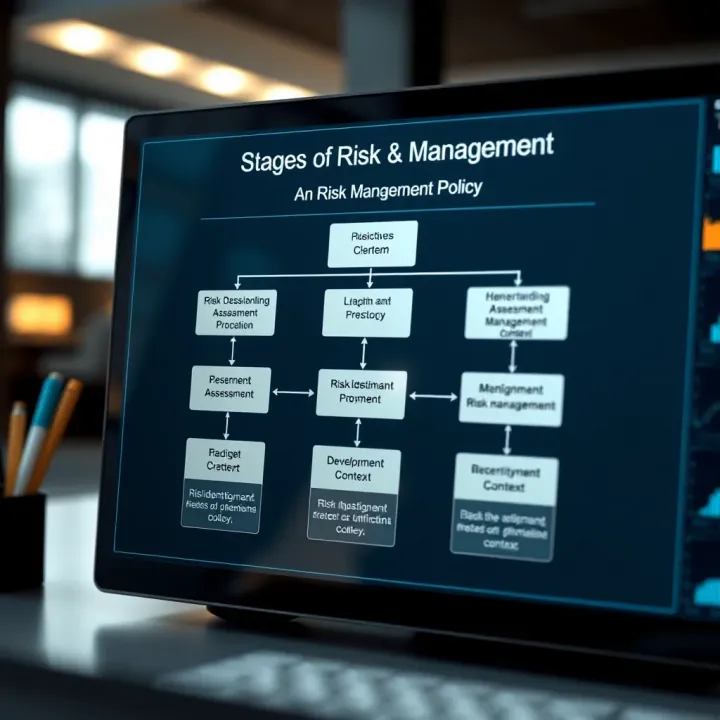
A well-crafted risk management policy turns guesswork into strategy. It’s not about avoiding all risks but managing them smartly to protect resources and reputation.
When creating your policy, focus on these key areas:
Risk Identification: Know the risks specific to your industry and locale—even unique ones like fluctuating matatu fares that affect employee punctuality.
Risk Assessment: Measure their likelihood and impact. For example, a drought might affect agricultural inputs next season.
Risk Response: Decide whether to avoid, reduce, share, or accept each risk. This could be taking insurance, diversifying suppliers, or budgeting for contingencies.
The next steps after drafting the policy involve training your team and regularly reviewing risk factors and responses since business and environment conditions change over time. For Kenyan organisations, incorporating local realities like county-level regulations and seasonal disruptions gives your risk management a much-needed edge.
In all, developing and implementing a risk management policy isn’t just paperwork—it’s building resilience. This foundation helps investors, traders, analysts, and educators understand your organisation's readiness to face challenges, enhancing confidence and opening doors for growth.
Every organisation faces uncertainties that can disrupt its operations or harm its reputation. A risk management policy provides a clear framework for identifying, assessing, and managing these uncertainties before they escalate. This kind of policy helps safeguard assets, assures stakeholders, and keeps business activities running smoothly, even when unexpected events occur.
Risk refers to any event or condition that could negatively impact an organisation's goals. For example, a Kenyan trader might face risks such as currency fluctuations affecting import costs or disruptions from unreliable transport systems. These risks can lead to financial losses, damaged customer trust, or regulatory penalties if not properly handled. Understanding the types of risks—be it operational, financial, environmental, or strategic—is vital to preventing adverse outcomes.
Having a clear, documented risk management policy ensures everyone in the organisation knows their role in managing potential threats. Informal or ad hoc approaches often lead to confusion and inconsistent responses. When risk management is formalised, decision-making improves, resources are directed more efficiently, and there is a stronger foundation for resilience. For instance, a financial analyst in Nairobi might use the policy to flag market risks early, guiding investment choices that protect client funds.
Many Kenyan sectors operate under strict regulatory frameworks that require formal risk management measures. For example, banks must comply with the Central Bank of Kenya's risk rules to protect depositors' funds and maintain financial stability. Similarly, public institutions must align with government directives on safety and transparency. A robust risk management policy helps organisations stay compliant, avoiding hefty fines and reputational damage while fostering trust among clients, partners, and regulators.
Developing and maintaining a risk management policy is more than ticking a box—it builds confidence and creates a clear path for managing the uncertainties that come with any business or institution.
By defining risk clearly, formalising how to handle it, and linking processes to local regulatory needs, organisations position themselves to face challenges confidently and protect their long-term interests.
A solid risk management policy hinges on clear key elements that help an organisation spot potential threats and handle them efficiently. These components guide not just the identification of risks but ensure there is a clear path from recognising threats to taking action. Kenyan businesses often face risks related to fluctuating market prices, regulatory shifts, or technology failures, making these elements essential for safeguarding operations and investments.
Identifying risks early is the first step to managing them well. This means looking closely at all areas of the business to spot anything that may disrupt operations—from external factors like economic instability in Kenya’s agricultural sector to internal weaknesses, such as outdated IT systems. Once identified, risks are classified by type (financial, operational, compliance, etc.) to make sure the team understands the different challenges and their potential effects.
Not all risks demand equal attention. The organisation needs to assess how likely a risk is and the impact it could have. For example, the risk of a power outage in Nairobi may happen often but might be less catastrophic than a regulatory fine for non-compliance. Prioritising risks helps allocate scarce resources more wisely—focusing on those that could hit hardest or arise most frequently. Assessment tools like risk matrices or scenario analysis are useful here.

A policy must clearly state who handles risks at every level. For instance, the finance manager may focus on credit or investment risks, while the operations team monitors supply chain vulnerabilities. Defining roles prevents confusion, speeds up decisions, and ensures accountability. Every member should know their part, from top management to junior staff.
This element covers how the organisation plans to respond to risks: avoid, reduce, share, or accept them. Using insurance to cover transport risks is one practical example familiar to many Kenyan businesses. Controls could be policies, procedures, or physical safeguards aimed at lowering risk impact. Tailoring responses to the local context, such as adapting IT controls for unstable internet, makes the policy practical.
Managing risks is ongoing work. Monitoring tools track risk indicators regularly, while clear reporting channels keep leadership informed. Regular review sessions ensure the policy stays relevant as the business or external environment changes—like adjusting strategies after new KRA tax rules. Without routine checks, risks can slip through unnoticed, causing costly surprises.
Effective risk management isn’t a one-off task. It requires a structured approach, commitment from everyone, and constant tuning to keep an organisation steady and ready for whatever comes next.
These essential elements form the backbone of a dependable risk management policy. Getting them right equips Kenyan businesses and institutions to protect their assets, maintain compliance, and boost investor confidence.
Creating a risk management policy tailored to your organisation is not just a box-ticking exercise; it shapes how risks are handled from the ground up. When you develop a policy suited to your context, you build a foundation for identifying, assessing, and controlling threats that reflect your unique operational environment. For instance, a Nairobi-based export company may focus on currency fluctuations and transport disruptions, while a fintech startup in Kisumu would prioritise cybersecurity and regulatory compliance.
Start by taking stock of your organisation’s size, sector, resources, and risk appetite. This gives you a snapshot of which risks matter most. For example, a publicly listed firm on the Nairobi Securities Exchange (NSE) faces rigorous reporting requirements and market risks, whereas a jua kali artisan might be more exposed to supply chain issues and local competition. Assessing this helps you design controls that fit your realities, such as drafting procedures for managing credit risk or reviewing health and safety protocols depending on your business.
A risk management policy must reflect the collective wisdom of those involved. Engage employees, management, and even external partners early on. Their input grounds the policy in practical day-to-day operations and helps reveal risks top management might overlook. For example, involving your sales team in the drafting phase could highlight customer credit risks or market trends unseen by finance alone. Stakeholder engagement also builds buy-in, making everyone more likely to follow the policy consistently.
Clarity is key. Your policy should use straightforward language that all staff can understand without jargon. Define risk categories, assessment criteria, roles, and procedures clearly. If your organisation is small, maybe a simple risk register and escalation paths suffice. Larger firms may adopt frameworks aligned with international standards like ISO 31000 but customised for Kenyan regulatory demands. Avoid vague statements—spell out specific actions, for instance, how to report a risk or response timelines.
A policy doesn’t work if it only sits on a shelf. Communication is essential. Use meetings, email briefings, and even training sessions to introduce the policy and explain why it matters. For example, a bank might hold quarterly workshops for staff on emerging risks like fraud or M-Pesa transaction anomalies. Training ensures everyone knows their part in risk management, reducing errors and boosting responsiveness across departments. Keep updating the training regularly to reflect changing threats and lessons learnt.
A well-designed and well-communicated risk management policy equips your organisation to spot trouble early and act decisively, helping protect both reputation and bottom line.
By following these practical steps, your risk management policy will be a living document firmly rooted in your organisation’s needs and practices, ready to help you navigate risks with confidence.
Successful risk management depends on how well the policy is woven into the daily fabric of an organisation. A risk management policy that is left dormant or treated as a one-off document adds little value. It should instead guide day-to-day decisions, shaping how risks are spotted, reported, and handled across the board. In the Kenyan context, where businesses often face fluctuating market conditions and regulatory shifts, continuous application and upkeep of the policy keep an organisation resilient and agile.
Incorporating risk management into everyday work ensures that potential issues do not escalate unnoticed. For instance, a bank in Nairobi might require frontline staff to identify suspicious transactions as part of their routine checks, directly linking this practice to the risk policy. This approach makes risk management everyone’s responsibility rather than a detached task for auditors or managers. It also complements other controls like regular stocktaking in retail or quality checks in manufacturing.
To embed risk handling in daily operations, companies can include risk review points in regular meetings, use checklists tied to specific processes, and train staff on recognising early warning signs. This constant vigilance helps businesses respond swiftly before risks develop into bigger problems.
Modern software tools make routine risk monitoring more manageable and data-driven. Kenyan firms can use specialised risk management platforms or customise existing enterprise resource planning (ERP) systems to flag anomalies or potential risks automatically. For example, an insurance company might use digital dashboards to track claim patterns, spotting unusual spikes that could hint at fraud.
Apart from dedicated software, integrating simple technologies such as M-Pesa transaction alerts or mobile reporting apps helps streamline communication on risks in real time. These tools provide timely information, enabling faster decisions and reducing manual errors. However, technology should support – not replace – people who interpret the data and apply judgement.
Risk environments are not static; what was a minor threat yesterday can become a major one today due to changes in market conditions, technology, or regulations. Therefore, regular reviews and updates of the risk management policy are essential. Kenya’s business climate, influenced by evolving policies from bodies like the Capital Markets Authority (CMA) or the Central Bank of Kenya, demands attention to legal and regulatory changes.
Organisations should schedule formal reviews at least once a year, involving key stakeholders from various departments to share insights and lessons learned. Unexpected events, such as economic shocks or supply chain disruptions, may also trigger an immediate policy update. Documenting these changes clearly and communicating them to all employees maintains alignment and keeps risk management efforts effective.
A well-maintained risk management policy acts as a living document, reflecting current realities and empowering organisations to anticipate and tackle challenges head-on.
Integrating risk awareness into daily tasks, leveraging appropriate technology, and committing to regular policy revisions are practical steps that Kenyan investors, traders, and financial analysts can adopt to strengthen their risk posture. This approach safeguards assets, supports regulatory compliance, and ultimately boosts organisational stability and confidence in uncertain times.
Managing risks effectively means knowing the common hurdles organisations face and how to tackle them smartly. Kenyan businesses, especially SMEs and financial institutions, often confront specific barriers in rolling out risk management policies. Understanding these challenges helps in designing stronger, more adaptable risk strategies.
One major challenge is the lack of awareness or understanding of risk management’s value. Many Kenyan SMEs treat it as a formality rather than an operational necessity, which weakens their preparedness. To overcome this, leadership must champion risk literacy, regularly educating teams through workshops or training sessions tailored to the organisation’s context.
Another issue lies in limited resources—be it funds, personnel, or tools—for implementing proper risk controls. For instance, some firms may rely solely on manual tracking of risks, leading to missed signals or slow responses. Setting realistic priorities and gradually investing in simple digital tools, like basic risk registers or M-Pesa transaction alert systems, can improve monitoring without heavy costs.
Resistance to change is a common bottleneck, especially where risk management introduces new procedures. Practically, involving staff from different departments early in policy development creates ownership, reducing pushback and encouraging compliance.
Lastly, inconsistent review cycles cause outdated policies that don’t reflect current risks. Fixing this requires scheduled evaluations integrated into organisational calendars, ensuring updates align with changes in market conditions, regulations, or technology.
Nairobi Stock Exchange (NSE) firms use automated reporting tools combined with manual oversight to detect market volatility risks, adjusting portfolios swiftly. This blend of technology and judgement mitigates financial losses.
Banks like Equity and KCB have embraced comprehensive fraud detection systems integrated with M-Pesa alerts, reducing transaction risks and customer complaints. Their approach involves consistent staff training and customer education, showing how technology and human factors combine for resilience.
In agriculture, organisations dealing with shamba insurance collaborate with meteorological departments to predict weather risks. This timely data helps farmers manage drought or flood threats, protecting livelihoods and financial assets.
Risk management is not a set-and-forget activity. Organisations must build mechanisms to gather feedback from all levels—staff, suppliers, customers, and partners. Regular debriefs following incidents or near-misses can reveal underlying risk patterns.
Using lessons learnt, policies should be adapted, closing gaps and preparing for emerging threats. For example, after the COVID-19 disruptions, many Kenyan companies revamped their business continuity plans, incorporating remote work and supply chain diversification.
Encouraging a culture where risk issues are openly discussed, not hidden for fear of blame, leads to quicker problem-solving and builds trust.
Remember, risk management improves with every cycle of reflection and action. Organisations that treat it as a living process stay ahead in today’s dynamic business environment.
Organisations that face their challenges head-on and adopt best practices set themselves on a path of sustainability and growth, much needed in Kenya’s competitive markets.
🔍 Explore how risk management helps identify, assess, and control threats to protect businesses and individuals in Kenya from uncertainties & losses.
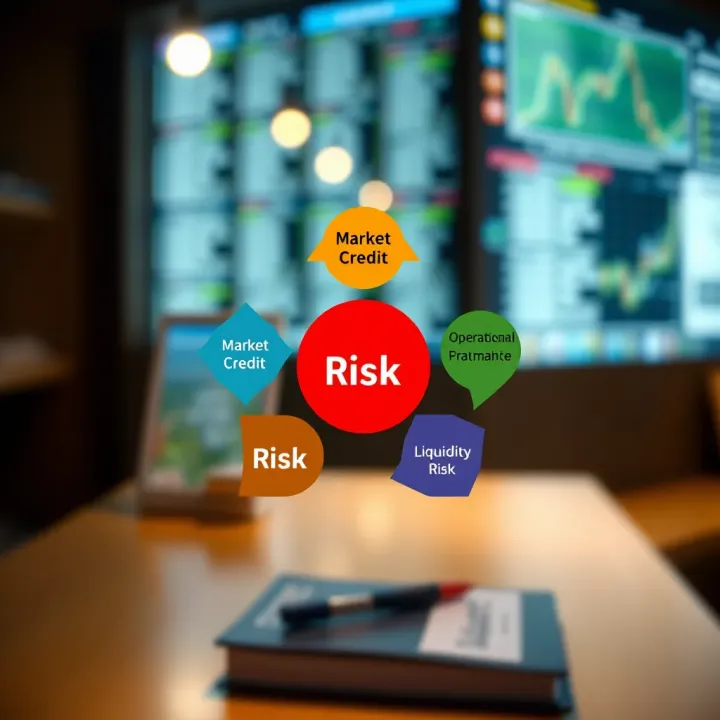
📊 Learn how financial risk management helps Kenyan businesses and individuals spot, measure, and control risks using practical tools and local resources.
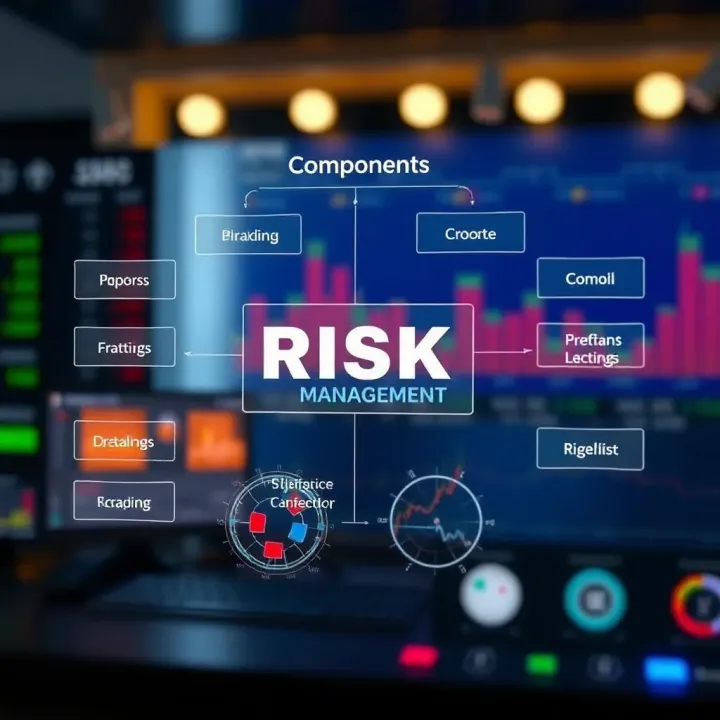
Explore practical risk management basics ➡️ understand key strategies, challenges, and how Kenyan businesses safeguard success effectively.
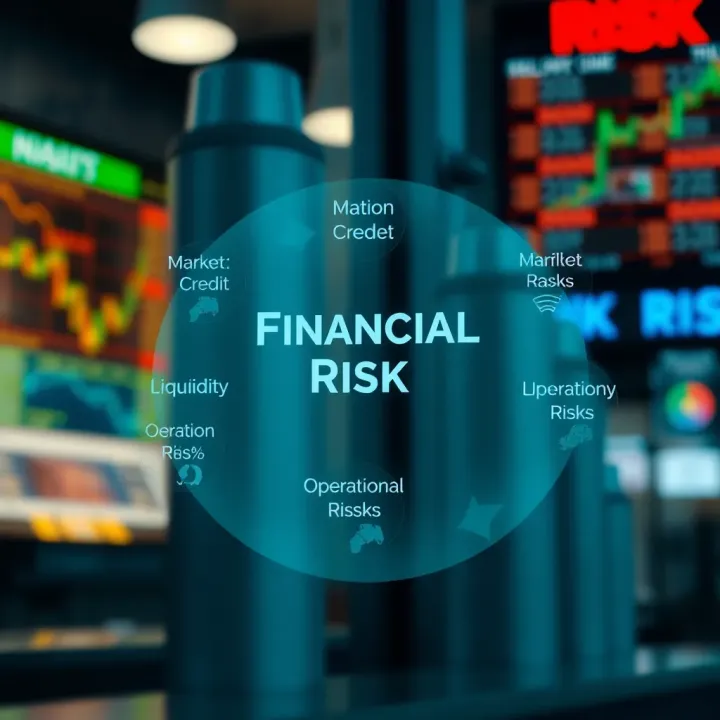
Discover how to spot, assess, and reduce financial risks in your business. Stay compliant and monitor risks continuously to protect your investments 💼📉
Based on 6 reviews