

Top Forex Trading Books for Kenyan Traders
📚 Master forex trading in Kenya with top books on technical analysis, risk management, and trading psychology to boost your skills and confidence.
Edited By
Sophie Bennett
Forex trading offers a variety of methods suited to different traders' goals and styles. Understanding these types helps you make better decisions whether you aim for quick gains or long-term positions. Here, we break down the main forex trading types and strategies to give you a clear picture.
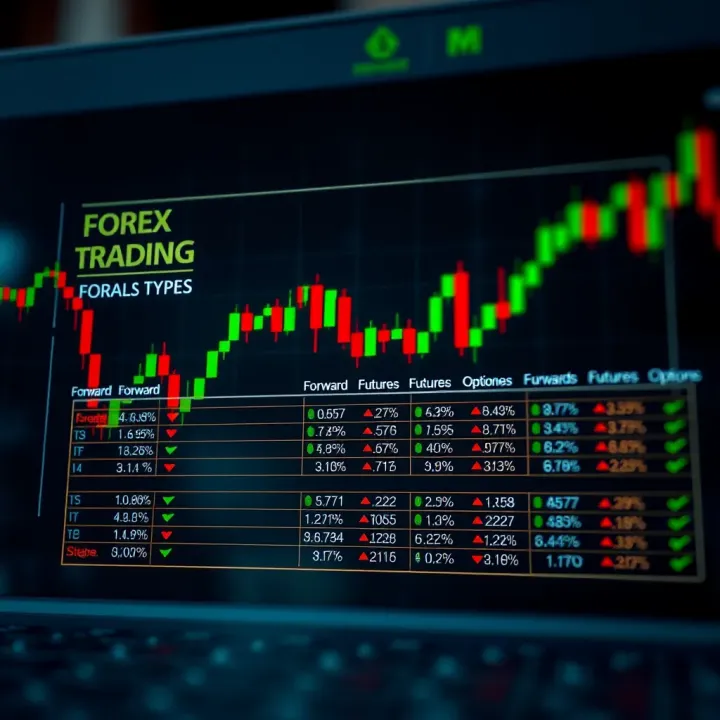
Spot Trading is the most common form. It involves buying or selling currencies at the current market price, with transactions usually settling within two business days. For example, a trader in Nairobi might buy USD against the Kenyan shilling to take advantage of an expected rise in the greenback.
Forward Contracts allow traders to agree on a currency exchange rate now for a transaction that happens later. This is popular with Kenyan exporters and importers looking to hedge against currency fluctuations. The contract locks in a rate, protecting businesses from future losses.
Futures are similar to forwards but traded on exchanges with standardized conditions. Futures contracts are less common in Kenya’s forex market but offer transparency and reduced counterparty risk.
Options give the buyer the right, but not the obligation, to exchange currency at a set rate before expiry. This flexibility suits traders who want protection without committing to a transaction.
Knowing the type of forex trading is one thing; picking the right strategy is another. Strategies vary based on risk, time commitment, and market conditions:
Scalping involves making numerous trades within minutes or even seconds to capture small price changes. It's fast-paced and suits traders who can monitor the market closely.
Day Trading means entering and exiting positions within the same day, avoiding overnight risks. Kenyan traders often follow major sessions when liquidity is highest, such as London or New York hours.
Swing Trading takes a longer-term approach, holding positions for days or weeks to profit from market swings. It needs less screen time but requires good market analysis.
Choosing the right mix of trading type and strategy depends largely on your risk appetite, available time, and financial goals. For instance, a busy professional might prefer swing trading with forward contracts, while an active trader may lean towards spot trading and scalping.
By grasping these different types and strategies, you equip yourself to navigate the forex market more confidently, avoiding common pitfalls and maximising your chances of consistent returns.
Understanding the basics of forex trading is key for anyone getting into this market, especially for investors and traders in Kenya. Forex, short for foreign exchange, involves buying and selling currencies to profit from their price changes. This market operates 24 hours a day across the globe, which makes it unique and accessible despite time differences.
For example, a Kenyan trader might sell US dollars and buy euros, betting the euro will strengthen against the dollar. This simple act is the basis of forex trading but requires knowing how the market functions and who participates. Without this knowledge, even experienced investors can find themselves on shaky ground.
Forex trading isn’t just buying and selling; it’s about understanding the flow and factors that influence currency values worldwide.
Forex trading is the exchange of one currency for another in the hopes the price moves favourably. It’s the largest financial market, with daily trades exceeding $6 trillion globally. Unlike shares or bonds, forex trades happen directly between parties, often through brokers or banks.
In practical terms, if you think the Kenyan shilling will weaken against the US dollar, you’d sell shillings and buy dollars. If your prediction is right, you can convert back later at a better rate, making profit from the exchange difference.
The forex market mainly operates through a network of banks, brokers, and institutions rather than a central exchange. Trades happen electronically over-the-counter (OTC), allowing participants worldwide to trade currencies anytime.
Because the market never sleeps, it suits traders with different schedules. For instance, Nairobi-based traders can begin trading after the US market opens in the evening. Currency prices move continuously influenced by global events, economic data, political decisions, and sometimes even major harvest reports.
The main participants include:
Central Banks: Control monetary policies affecting currency values. For example, the Central Bank of Kenya influences the shilling’s strength with interest rate decisions.
Commercial Banks: Facilitate large currency transactions for clients and themselves, often driving market liquidity.
Corporations: Use forex to hedge against risks when importing or exporting goods abroad.
Retail Traders: Individual investors in Kenya and worldwide who speculate via brokers using platforms on mobile or desktop.
Each group has different goals but together they drive daily currency movements. Understanding who the key players are helps traders anticipate trends and react wisely.
Knowing the basics covered here lays a solid foundation to explore deeper into forex instruments and trading strategies tailored for Kenyan investors and others worldwide.
In forex trading, understanding the different instruments available helps you tailor your approach to match your goals and risk appetite. Each type of instrument offers unique features and suits various strategies, so it’s important to grasp how they work and their practical uses. For example, a spot forex trade might appeal to someone looking for quick exposure to currency fluctuations, while traders interested in hedging might prefer forward contracts or options.
Spot forex trading involves buying and selling currency pairs for immediate delivery, generally settled within two business days. It is the most straightforward type of forex trading, often referred to as the "cash market" because trades settle quickly. For instance, if you buy USD/KES on the spot market, you’re agreeing to exchange US dollars for Kenyan shillings at the current market price now.
This immediacy makes spot trading practical for those wanting direct exposure to currency rates without waiting for contracts to mature. Businesses dealing with imports or exports frequently use spot trades to convert currency instantly.
Spot trading offers high liquidity and simplicity. Since it’s the largest segment of the forex market, you can enter and exit trades swiftly with tight spreads, ideal for active traders. Plus, no expiry means you hold your position as long as you like.
However, spot trading can be volatile, which might not suit everyone. If the market swings suddenly overnight, your position faces risk. Also, because you're dealing in large volumes typically, managing risk with proper stop-loss orders becomes critical.
A forward contract in forex is an agreement to exchange currencies at a predetermined rate on a future date, often beyond the two-day settlement window of spot trades. Kenyan companies importing goods may use forwards to lock exchange rates, avoiding losses from unfavourable currency moves.
These are private contracts typically customised between two parties, allowing flexibility on amounts and settlement dates. Unlike spot trading, forwards are not standardised or traded on exchanges.
Forwards serve as a risk management tool by fixing costs or revenues in domestic currency terms. For example, an exporter expecting payment in dollars three months from now can agree on a forward contract to convert those dollars into Kenyan shillings at today’s rate, protecting against possible shilling depreciation.
This usage is popular among businesses seeking to avoid currency risk in cross-border transactions but who cannot or do not want to engage daily in spot trading.
Forex futures are standardised contracts traded on regulated exchanges specifying currency amount, price, and settlement date. Traders agree to buy or sell a currency at a future date and price, but unlike forwards, futures contracts have fixed terms.
For example, on the Chicago Mercantile Exchange (CME), you might trade a futures contract for USD/KES, obligating delivery on the contract’s expiry unless closed out earlier.
Futures trading adds transparency and reduces counterparty risk because these contracts are settled through clearinghouses. Unlike forwards, there’s little chance of default as the exchange guarantees trades.
Also, futures provide opportunities for both hedging and speculation, with access to margin trading and high liquidity. However, traders must understand expiry dates and rollover procedures, which differ from spot or forwards.
Forex options give the holder the right, but not the obligation, to buy or sell a currency pair at a specified strike price before or on a set expiry date. Kenyan traders use options to protect their currency exposure without committing to a trade outright.
This flexibility helps in situations where you want to benefit from favourable moves but limit losses if markets turn against you. For example, buying a call option on USD/KES lets you benefit if the shilling weakens but limits losses to the premium paid.
Options provide a strategic edge by offering risk control and leverage. Unlike futures or forwards, the potential loss is limited to the premium paid for the option. This makes them attractive for hedgers or traders with cautious risk profiles.
That said, options can be complex, with premiums and pricing influenced by many factors such as volatility and time decay. Misunderstanding these can lead to unexpected losses. Thorough understanding and experience are advisable before trading options.
Each forex instrument fits different trading needs, from quick speculative spots to carefully timed options for risk management. Knowing how these work empowers you to choose what suits your trading style best.
Understanding popular forex trading strategies is essential for traders aiming to make informed decisions and manage their risks effectively. These strategies vary by the duration positions are held, the level of risk, and the analytical methods applied. Mastering them allows you to tailor your trading approach to your available time, capital, and comfort with market swings.
Scalping is a fast-paced trading style where traders open and close positions within minutes or even seconds. This approach targets small price changes, often juggling multiple trades a day to accumulate profit. For instance, a scalper in Nairobi might spot tiny fluctuations between the USD/KES pair during peak market hours and execute quick trades.
This technique requires quick thinking and constant market monitoring, making it suitable for traders who can dedicate intense focus during trading sessions. It’s not for those with a full-time job elsewhere, given the need for rapid decisions.
Successful scalpers rely on real-time data feeds, low-latency internet, and platforms offering quick order execution. Tools like MetaTrader or cTrader with fast chart updates and one-click trading are preferred. Without speedy execution, profits can vanish due to slippage.
Moreover, scalping demands keen attention, discipline, and the ability to act swiftly without emotional interference. Having a solid grasp of technical indicators like moving averages or Bollinger Bands helps identify entry and exit points promptly.
Day trading involves holding positions from minutes to several hours but closing all trades before market close to avoid overnight risks. Traders in Kenya might capitalise on volatility during London or New York sessions, ensuring no exposure once local markets close late in the evening.
This strategy suits those who can monitor markets during trading hours without distraction, unlike scalping, which demands constant action. Day traders benefit from better risk control while still exploiting short-term market opportunities.
Controlling risk is crucial. Setting stop-loss orders and strict profit targets helps limit unexpected losses. Also, managing emotions is equally vital; greed or fear can prompt premature exits or holding losing trades too long.
For example, a trader might plan to exit after a 50-pip profit on EUR/USD but, swayed by fear of losing gains, close too early at 20 pips. Learning emotional discipline improves outcomes over time.
Swing traders take a longer view than scalpers or day traders by holding positions from days to a few weeks, aiming to capture medium-term trends. This suits individuals with other daytime commitments who cannot monitor markets all day.
For instance, holding a trade on GBP/USD through a week where British economic data is expected capitalises on broader moves rather than instant fluctuations.
Swing traders combine charts to identify trends and use fundamental news like interest rate decisions or political developments to time entries. Knowing when Kenya’s Central Bank announces policy changes, for example, influences how traders position themselves for the week ahead.
Technical tools such as Fibonacci retracements and RSI help confirm potential reversal points, while fundamentals justify the overall market direction, offering a balanced perspective for better decision-making.
Each trading strategy fits different lifestyles and risk levels. Whether choosing quick scalping or patient swing trading, understanding these methods sharpens your edge in forex markets.
Picking the right forex trading type depends on several important factors tied to your financial position, lifestyle, and the tools at your disposal. It isn't just about what looks popular or what others recommend; your individual circumstances play a big role in deciding a trading path that suits you best.
How much risk you can handle and the capital you have are key starting points. If you're uncomfortable with the idea of losing money quickly, high-risk methods like scalping or trading futures might not be ideal. For example, a trader with a small capital of KSh 50,000 may prefer spot trading with tight stop losses rather than futures trading which often requires larger margins and carries greater volatility. On the other hand, if your capital is substantial—say KSh 1 million or more—you can consider diverse strategies, including options that allow for hedging market moves. Understanding your risk appetite also helps manage emotional stress, which often impacts trading decisions more than market conditions.
Your daily schedule and preferred approach matter a lot. Forex trading isn't a one-size-fits-all. If you work a full-time job or have other commitments, day trading or scalping, which require constant attention, might be impractical. Swing trading, where positions are held from a few days to weeks, can suit busy professionals in Nairobi or Mombasa who can check markets less frequently but still want market exposure. On the flip side, if your time is flexible and you enjoy the adrenaline of fast trades, those short-term styles may work well. Assess honestly how much time you can devote to analysing charts, news, and managing trades.
The trading instruments you pick should align with the platforms you can easily access. Not all brokers or platforms offer every forex product, and some require advanced software for options or futures. For instance, many Kenyan traders find popular platforms like MetaTrader 4, MetaTrader 5, and cTrader accessible and user-friendly, supporting spot and some derivative trades. But if you’re interested in forex futures, you might need access to regulated exchanges or specialised brokers. Also, quality tools such as real-time news feeds, charting software, and risk management features are essential. Mobile trading apps have gained ground, especially for Kenyan traders on the move, but they may not provide all features needed for complex strategies.
Choosing the right type of forex trading boils down to balancing your financial capacity, time availability, and the technological resources at your fingertips. Making this match improves chances of success and prevents needless setbacks.
By weighing these factors — your risk tolerance, the time you can put in, and access to reliable platforms — you set the stage for smarter, more confident trading. This way, you won't just trade forex, you trade it in a way that fits your life and goals.
Starting forex trading in Kenya requires more than just knowing the basics of currency pairs and trading strategies. The local context matters a lot, from the legal environment to the tools you use. These practical tips help you avoid common pitfalls and set a foundation for long-term success.
Choosing a broker regulated by a recognised body is crucial. In Kenya, the Capital Markets Authority (CMA) and the Central Bank of Kenya (CBK) provide oversight of brokers operating locally. A regulated broker must follow strict rules protecting investors from fraud and mismanagement. For example, brokers licensed by the CMA generally separate client funds from their own, which limits risks if a broker faces financial trouble.
Beyond security, regulated brokers offer transparent pricing and execution standards, which you need to trust when trading forex. Choosing an unlicensed broker can expose you to fake spreads and delayed trade execution, common ways some brokers exploit uninformed traders.
The choice of currency pairs influences your trading options and potential profits. Brokers differ on which pairs they offer; some focus on major pairs like USD/KES, EUR/USD, and GBP/USD, while others include emerging market currencies such as UGX or TZS against the dollar. Make sure your broker supports the currency pairs that fit your trading strategy.
Spreads, the difference between the bid and ask price, directly affect your trading costs. Brokers with tighter spreads allow you to enter and exit positions more cheaply. For instance, a broker offering a spread of 1 pip on USD/KES is generally better for short-term traders than one with 3 pips. Always compare spreads alongside other fees like commissions or overnight charges, which add up over time.
Before you commit real cash, demo accounts give you a risk-free way to practise forex trading. These accounts mimic real market conditions without risking your money. Kenyan traders can use demo accounts from brokers like FXPesa or EGM Securities to familiarise themselves with platform interfaces, try out strategies, and understand how spreads and leverage work.
Using a demo account is especially helpful for new traders to build confidence and discipline. It also allows you to test if your chosen broker's trading platform suits your needs before depositing money.
Forex trading in Kenya doesn't happen in a vacuum. Factors like Kenya's political environment, economic reports, or Central Bank policies affect currency movements, particularly USD/KES. For example, during election periods or budget announcements, markets can be more volatile.
Additionally, liquidity for KES pairs might be lower outside Nairobi business hours, which affects how easily you can enter or exit trades. Understanding these local details helps you plan your trading times and risk management better.
Remember: Trading forex successfully in Kenya means combining global market knowledge with local insights and smart broker choices. Practising with a demo account and following local regulations reduce risks and improve your chances of making steady profits.
📚 Master forex trading in Kenya with top books on technical analysis, risk management, and trading psychology to boost your skills and confidence.
📱 Thinking of forex trading in Kenya? Discover top apps, learn features, security tips, and find the best fit for safe, smooth trading journeys today!

Explore top forex trading companies in Kenya 🇰🇪, learn how the market works, choose the right broker, and get tips for safe, smart trading 💹.
📈 Learn key forex candlestick patterns to spot price moves and trade smarter. Boost your timing and strategy for better results in Kenya's forex market.
Based on 6 reviews