

Managing Compliance Risks in Kenya: A Practical Guide
📊 Learn how Kenyan businesses can identify and manage compliance risks effectively to avoid legal issues and hefty fines with practical strategies and tools.
Edited By
Matthew Riley
Managing risks in business and projects means identifying potential problems before they unfold and finding ways to reduce their impact. Whether you run a small jua kali workshop in Nairobi or manage a large infrastructure project in Mombasa, ignoring risks can drain resources and cause delays.
Risk management is not a one-time exercise. It should be part of daily operations and decision-making. For example, a trader at the NSE might spot market volatility early and adjust their portfolio to avoid losses. Similarly, a project manager overseeing a road construction scheme can regularly assess weather forecasts to mitigate delays caused by heavy rains.
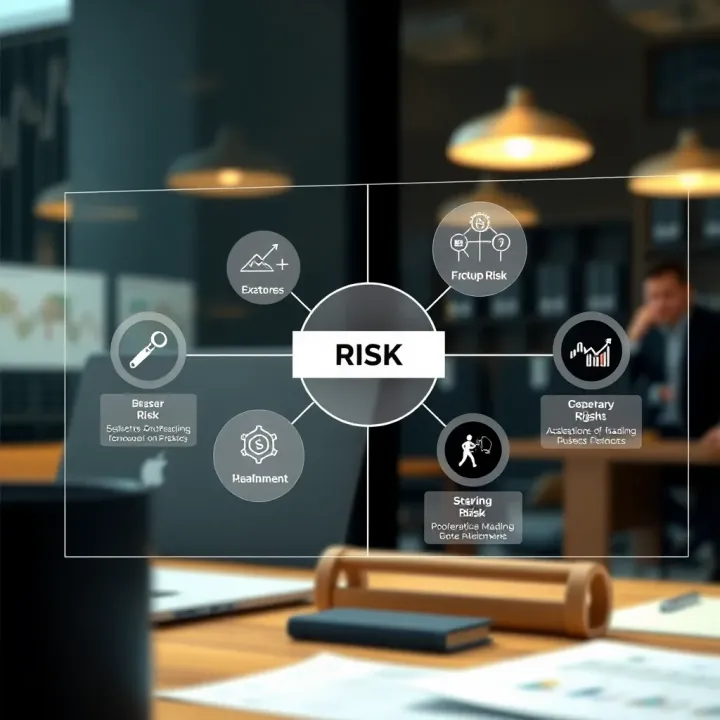
At its core, effective risk management involves three steps:
Identification: Pinpoint risks that could affect your objectives, such as political changes, fluctuating forex rates, or supply chain disruptions.
Assessment: Measure the likelihood and potential impact of these risks. For instance, a logistics company might rate the chance of fuel price hikes as high, with significant cost implications.
Mitigation: Develop strategies to reduce risks, such as diversifying suppliers or building buffers in project timelines.
Kenyan businesses often face unique challenges like power outages, sudden regulatory shifts, or disruptions in transport due to matatu strikes. Organisations can adopt practical tools like simple risk registers or engage teams in regular risk review meetings to stay ahead.
Embedding risk management into your organisation’s culture encourages proactive thinking, which can save costs and build resilience over time.
Ultimately, having a clear, consistent approach to risks enables better forecasting and smoother project delivery. Traders, financial analysts, and educators all benefit when risks are openly discussed and addressed, leading to smarter decisions backed by solid evidence and real-world insights.
Managing risks is more than just avoiding problems—it's about steering your business or project safely through uncertain waters. In Kenya, where markets can shift quickly and regulations sometimes change without warning, understanding risk management can spell the difference between thriving and failing.
Risk is the chance that an event will occur and affect your business objectives, either positively or negatively. For example, a trader might face the risk of currency fluctuations affecting profits, while a project manager could encounter risks like delays or cost overruns. Risk management involves identifying these uncertainties, assessing their potential impact, and deciding on ways to minimise or handle them. It's a continuous process rather than a one-time task.
Ignoring risks can expose businesses to losses, reputation damage, or operational breakdowns. Take a Nairobi-based coffee exporter who fails to hedge against forex risks: sudden shilling depreciation could severely reduce profits when converting payments. With proper risk management, such a trader can anticipate currency swings and either lock favourable rates or plan financial buffers. Moreover, effective risk handling builds trust with investors, creditors, and customers by showing that you are prepared and resilient.
Kenyan businesses face several specific risks, including:
Regulatory risks: Frequent tax law changes by the Kenya Revenue Authority can catch businesses off guard.
Market risks: Supply chain disruptions, often due to weather impacting agriculture or transport network issues.
Financial risks: Fluctuations in interest rates affecting loan costs, and inflation impacting input prices.
Operational risks: Power outages and unreliable internet affecting day-to-day operations.
Political risks: Election periods sometimes bring volatility and uncertainty.
For instance, a small manufacturing firm in Mombasa might struggle with inconsistent power supply, forcing them to rely on costly generators, squeezing profit margins. Understanding these risk sources helps businesses prepare practical plans specific to Kenyan conditions.
Strong risk management offers a roadmap that guides decision-making under uncertainty. It equips Kenyan businesses to withstand shocks and seize opportunities without being blindsided.
By grasping what risks mean and recognising their significance in day-to-day operations, businesses and projects can move forward with confidence and smart preparation.
Identifying and assessing risks form the backbone of effective risk management in any business or project. Without knowing what threats lurk around, it's impossible to prepare or respond adequately. For investors and financial analysts especially, recognising potential risks early avoids costly surprises and improves decision-making. This stage helps pinpoint possible setbacks – from market fluctuations to operational failures – and ranks them by their potential impact.
Spotting risks requires a keen eye and practical approaches. One effective technique is holding brainstorming sessions with team members across departments to share insights; often, frontline staff spot issues management might miss. Another approach is reviewing past reports or project post-mortems to identify recurring problems. For example, a trader may notice patterns of delayed shipments leading to losses and flag supply chain disruptions early.
Also, technology tools like risk assessment software and data analytics help track indicators signalling trouble, such as sharp sales drops or unusual expense spikes. Observing external factors, such as regulatory changes by the Capital Markets Authority (CMA) or shifts in consumer behaviour after seasonal rains, can reveal hidden exposures.
Once risks appear on the radar, you have to weigh their potential severity (impact) and likelihood (chance of occurring). This evaluation enables prioritising which risks demand urgent attention. Consider a real estate investor eyeing a project in a flood-prone area. The severity of a flood could be high, but if evidence shows floods happen rarely, the likelihood is low. However, in this case, the investor may still manage the risk by buying insurance or designing drainage systems.
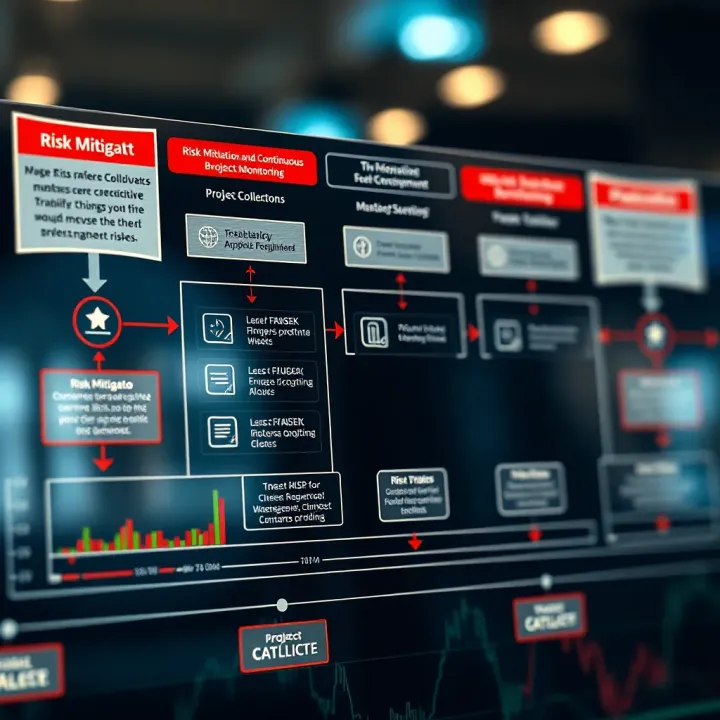
Businesses commonly use a risk matrix – a grid plotting likelihood against impact – to help visualise priorities. For example, a brokerage facing cyber threat risks would rate both probability and damage high, pushing it up the priority ladder.
A risk register is like a central ledger listing all identified risks along with their details and status. It acts as a living document that keeps the entire team informed about current and emerging risks. The register typically includes risk descriptions, severity rankings, owners responsible for managing each risk, and mitigation steps underway.
Taking the example of a project team launching a new product in Nairobi, a risk register might log supply delays, competitor moves, or price fluctuations. By updating this regularly, the team stays aligned and can spot if a risk escalates or fades. Maintaining such records helps in audits and supports accountability.
Effective risk identification and thorough assessment mean you're not flying blind. They serve as a sturdy foundation to guard your investments, manage projects with foresight, and avoid costly setbacks in dynamic business environments like Kenya's market.
In summary, successful risk management starts with spotting risks through collaborative insight and data tools, grading them by impact and chance, and diligently tracking them using risk registers. These steps help investors, traders, and analysts make informed moves and safeguard their interests proactively.
Mitigating risks involves practical steps to reduce the chance or impact of unexpected problems in business or projects. For investors, traders, educators, and financial analysts, understanding how to limit exposure or prepare for risks can protect resources and improve decision-making. This section explores three core strategies: avoiding risks, transferring risks, and accepting them while preparing for their effects.
Avoiding risk means steering clear of activities that pose threats to your business or project goals. This might include dropping a supplier known for late deliveries or avoiding investment in highly volatile markets. For example, a Kenyan trader might avoid buying stocks from companies with poor regulatory compliance, cutting down chances of loss due to legal issues.
Reducing exposure focuses on lessening the severity if the risk occurs. This can involve diversifying assets or spreading out project deadlines. Suppose an investor spreads funds across multiple sectors instead of concentrating on one, especially in Kenya’s fluctuating agricultural, real estate, and tech sectors. By doing so, they reduce the chance that one downturn wipes out their entire portfolio.
Practical actions to cut risk include:
Careful vetting of partners and suppliers
Regular quality checks
Using technology or automation to limit human error
Not all risks can be avoided, so transferring them to another party is common. Insurance is a prime example. Kenyan businesses often use insurance policies to cover property damage, business interruptions, or credit defaults. For instance, a Nairobi-based manufacturer might insure against fire damage through a trusted company like Britam or CIC Insurance.
Contracts also shift risks by clearly defining obligations, penalties, and responsibilities. Using strong agreements with suppliers or service providers ensures risks like delays or faulty goods become their problem, not yours. For example, an exporter using a contract with penalty clauses motivates timely deliveries, reducing operational disruptions.
This transfer approach helps maintain business continuity without bearing all risk internally.
Some risks are unavoidable or not cost-effective to transfer or avoid. In these cases, acceptance with preparation is wise. This means acknowledging possible losses but having plans to manage their effects.
For example, a financial analyst handling volatile stocks may accept potential losses but set aside emergency funds or stop-loss limits to control damage. Similarly, a project manager might accept delays due to unforeseen road closures but prepare alternative routes or extra time buffers.
Key preparation steps include:
Developing contingency plans
Setting aside reserves or buffers
Training staff on emergency response
Taking the time to analyse which risks to avoid, transfer, or accept helps you use resources well, enhancing your chance of success even if problems crop up unexpectedly.
Each risk mitigation approach suits different scenarios, and often, a mix works best to balance costs and benefits effectively.
Implementing risk controls and monitoring is vital for keeping threats in check and ensuring that risk management efforts translate into real-world protection. It moves beyond mere identification or planning and puts action at the centre of managing risks. Without effective controls, organisations—whether starting a new project or running a business—may remain vulnerable to financial losses, operational disruptions, or regulatory penalties.
Every risk identified should have a clear response plan that outlines steps to reduce or handle its impact. The plan acts not just as a document but as a practical guide during crises. For example, a Nairobi-based agribusiness facing risks from unpredictable rainfall might develop a response plan involving water conservation techniques, sourcing drought-resistant seeds, and arranging quick access to alternative water sources. Such plans must prioritise risks by severity and feasibility, ensuring resources focus on the most threatening issues.
Effective risk response plans include:
Specific actions for mitigation or contingency
Assigned priorities and timelines
Communication protocols for alerting stakeholders
Having these details in place prepares organisations to react swiftly and avoid panic or confusion when risks materialise.
Risk control is a team effort that requires clarity on who does what and when. Assigning clear roles prevents overlaps and gaps, streamlining the response when issues arise. For instance, in a construction project, the site manager might handle daily safety checks, while the project manager oversees compliance with legal standards and insurance policies.
Key points for effective role allocation include:
Defining specific duties related to risk control and monitoring
Training individuals on their responsibilities
Making accountability transparent through regular updates and meetings
Clear responsibility boosts ownership, improving adherence to risk controls and helping track progress in responding to threats.
Risks evolve, so monitoring must be an ongoing effort. Continuous tracking helps catch new threats early and gauges if existing controls work as planned. A Kenyan digital startup, for instance, may regularly review cybersecurity risks, updating firewalls and training staff on phishing scams according to the latest trends.
Practical steps in continuous monitoring:
Regularly updating risk registers with new information
Using key performance indicators (KPIs) to measure risk levels
Scheduling periodic reviews to adapt plans and controls
Regular monitoring ensures responses remain effective, preventing risks from escalating unnoticed.
By embedding a culture of constant vigilance, businesses and projects stay adaptive, reducing surprises and maintaining resilience against setbacks.
In summary, implementing controls paired with thorough monitoring turns risk management from a theoretical plan into practical defence. It ensures resources matter where needed and builds confidence among stakeholders, which is essential for thriving in Kenya’s dynamic economic environment.
Building a culture where everyone understands and shares responsibility for risk management is key to protecting businesses and projects from unexpected setbacks. When risk awareness is woven into daily operations, it becomes easier to spot and address dangers before they escalate. Kenyan companies, especially SMEs and projects dependent on multiple stakeholders, stand to benefit greatly from a workforce that actively engages with the idea of risk rather than seeing it as a separate or technical task.
Training lays the foundation for a risk-aware culture. All employees, from top management to ground-level staff, need practical knowledge of identifying and responding to risks relevant to their roles. For example, a matatu company might train drivers and dispatchers not just on safety rules but also on how to report early signs of vehicle problems, improving maintenance schedules and avoiding accidents. Communication goes hand in hand. Regular updates, workshops, and sharing lessons from past incidents keep risk top of mind. Simple channels like WhatsApp groups or weekly briefings can encourage ongoing conversations and keep everyone alert.
Encouraging workers to report potential risks without fear of blame or punishment makes a huge difference. Organisations should create clear, confidential ways to flag concerns, whether through a hotline, suggestion boxes, or direct reporting to supervisors. When issues are openly discussed, it helps dismantle the stigma around admitting mistakes, which is common in many Kenyan workplaces. Take, for instance, a construction firm that holds monthly sessions allowing workers to share challenges faced on site—this openness helps identify hazards early and fosters cooperation in problem-solving.
Risk awareness should not be an afterthought but an integral part of every decision, from budgeting to project timelines. Before launching a new product or signing a contract, teams ought to assess risks systematically—considering factors like market volatility, supply chain reliability, or regulatory changes common in Kenya. A practical approach involves using simple checklists or frameworks during meetings to prompt discussion. For example, a Kenyan agribusiness might evaluate rainfall forecasts and pest risks before planning crop cycles. When risk thinking is embedded in decision-making, the organisation becomes more resilient and ready to adapt to changes.
Creating a risk-aware culture is an ongoing process that builds trust, sharpens judgement, and supports smarter choices throughout a business or project lifecycle.
By training staff, promoting open reporting, and making risk a routine part of decisions, Kenyan businesses and projects can reduce surprises and improve their chances of success even in uncertain environments.
📊 Learn how Kenyan businesses can identify and manage compliance risks effectively to avoid legal issues and hefty fines with practical strategies and tools.

Explore practical strategies to trade binary options in Kenya 📊. Learn market analysis, risk control, and navigate common pitfalls effectively 🚀.

🌍 Explore proven binary trading strategies for Kenyan traders. Learn risk management, emotional control, and tools to boost your success in binary options.

Master Forex trading in Kenya with effective strategies! 🌍 Learn risk management, analysis techniques, and how to craft your trading plan for success.
Based on 8 reviews