
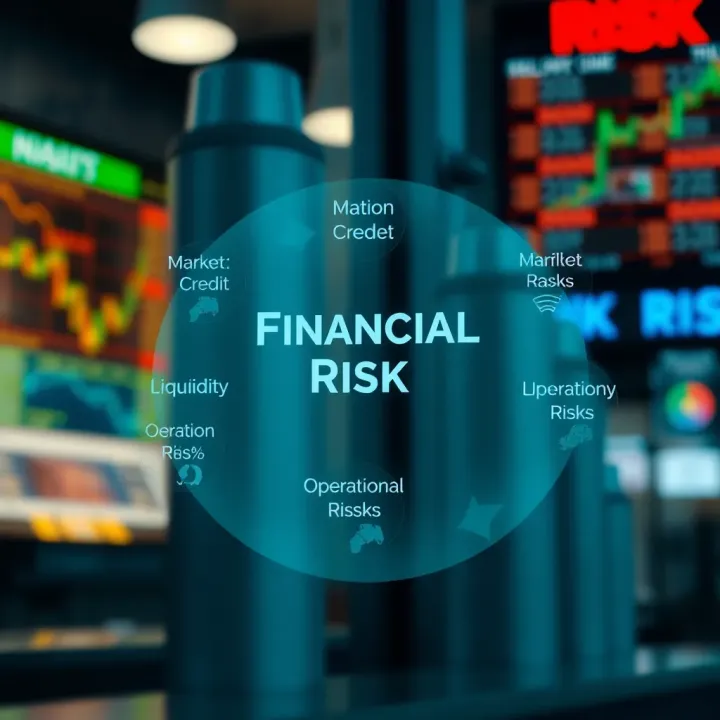
Essential Guide to Financial Risk Management
Discover how to spot, assess, and reduce financial risks in your business. Stay compliant and monitor risks continuously to protect your investments 💼📉
Edited By
Sophie Mitchell
Risk management is the backbone of any successful organisation or project, especially here in Kenya where economic and operational challenges often shift quickly. Put simply, risk management aims to identify, assess, and control threats that could affect a business’s ability to meet its goals.
At its core, the objective of risk management is to shield organisations from unexpected losses while helping them capitalise on opportunities smartly. Whether dealing with currency fluctuations, regulatory changes from bodies like the Capital Markets Authority (CMA), or disruptions caused by weather patterns affecting agricultural projects, understanding risk enables better decision-making.

Protecting Assets and Resources: Businesses invest heavily in equipment, cash flows, and human capital. Risk management helps prevent damage or loss by spotting potential hazards early.
Supporting Informed Decisions: Evaluating risks allows leaders to choose strategies that balance potential rewards with acceptable exposure to danger.
Ensuring Business Continuity: Planning for risks means businesses can withstand shocks, recover fast, and keep serving customers without major interruptions.
Complying with Regulations: Proper risk approaches align with Kenyan laws and standards, which can save costs related to penalties or legal disputes.
Consider a Nairobi-based export company dealing with fluctuating foreign exchange rates. By identifying this risk early and using hedging strategies, the company protects its profit margins. Similarly, a local construction firm might manage supply chain risks by having backup suppliers to prevent project delays.
Effective risk management isn’t about eliminating risks altogether — it’s about understanding them and responding proactively so challenges don’t spiral out of control.
Organisations here often face unique risks like political instability during election seasons, infrastructure failures, or shifts in commodity prices affecting raw material costs. Applying risk management helps companies not only survive but thrive by preparing for these realities.
Investors and financial analysts can leverage risk insights to evaluate asset portfolios or project viability with better accuracy. Traders can monitor market volatility more closely. For educators and trainers, incorporating these objectives into curricula equips learners with practical skills relevant locally.
Understanding risk management begins with recognising its role in both business and everyday life. Simply put, risk involves situations where outcomes are uncertain but measurable against probabilities. For example, a matatu operator deciding whether to take a busy route during rainy season faces risks like accidents or delays. Similarly, a bank assessing loan applications measures the likelihood of default before deciding.
In business, risk refers to the chance that an action or decision could lead to losses or unexpected results. Farmers in Kenya face risks from unpredictable weather affecting their shamba yields, while traders risk stock depreciation when investing in perishable goods. Everyday, we all manage risks—choosing a boda boda rider based on reputation reduces chances of an unsafe ride.
Risk differs from uncertainty in that risk can be quantified or estimated, whereas uncertainty involves unknown probabilities. For instance, a financial analyst may know the historical volatility of a stock (risk), but sudden political upheaval causing market closure introduces uncertainty. Organisations often prepare for risk with strategies but navigating uncertainty requires adaptability and quick decisions.
Organisations manage risk primarily to prevent avoidable losses. For example, a Nairobi-based manufacturing company might insure its equipment against fire damage, mitigating financial loss if disaster strikes. Without such protective steps, unexpected costs can derail budgets and cash flow.
Beyond financial assets, reputations are critical. A bank that fails to secure customer data risks both regulatory penalties and customer trust loss. In Kenya’s competitive market, a single data breach can push customers towards rivals, hurting long-term sustainability.
Risk management keeps business operations steady even during shocks. For example, a tech firm may have backup internet providers and power sources to maintain services during outages common in some regions. This stability reassures clients and maintains revenue flow despite challenges.
Efficient risk management is not about eliminating risks but about understanding and controlling them to safeguard value and continuity.
Organisations in Kenya, just like anywhere else, face many uncertainties daily. Clear risk objectives guide them to manage these challenges proactively, ensuring they stay afloat and competitive.
Risk management aims to safeguard an organisation’s assets and operations from unforeseen challenges. Its core objectives centre on limiting financial losses, making better decisions, complying with laws, and strengthening resilience. For businesses in Kenya, understanding these goals ensures that risk management isn’t just a tick-box exercise but a practical strategy to support growth and stability.
Financial protection against unexpected events is a key goal of risk management. Kenyan companies, for instance, might face risks like market fluctuations or delays in supply chains due to transport strikes. Preparing for such events means setting aside funds or getting insurance cover to cushion the impact. Without this, a sudden shock could wipe out profits or push a business into debt.
Reducing operational disruptions helps businesses maintain steady workflows. Take Nairobi’s matatu strikes that frequently affect punctuality; a firm with risk strategies might have backup suppliers or adjust delivery schedules to keep operations smooth. This limits downtime and preserves customer trust, which is crucial in Kenya’s competitive marketplace.

Evaluating risks before new projects or investments gives leaders a clearer picture of potential pitfalls. For example, a firm considering entering Kenya’s renewable energy sector would assess regulatory risks, capital costs, and local competition. This insight guides whether the project is worthwhile or needs adjustment, helping avoid costly mistakes.
Balancing risks with opportunities is about weighing possible downsides against gains. An investor in Nairobi’s real estate market might face risks like policy changes or economic shifts but could benefit from property value increases. Risk management equips decision-makers to judge when to be bold and when to take caution, aligning with their business appetite.
Kenyan laws affecting risk management include Labour Laws, the Environment Management and Coordination Act, and CMA regulations for financial institutions. Compliance means following these rules strictly, ensuring the organisation doesn’t face fines or legal battles. For example, companies handling hazardous materials must manage environmental risks carefully to avoid violations.
Benefits of compliance in reducing penalties involve saving costs and reputational damage. A firm abiding by KRA tax guidelines and NSSF contributions avoids hefty penalties that could disrupt finances. Moreover, it builds trust with stakeholders who value law-abiding businesses, a strong advantage in Kenya’s tight-knit commercial community.
Preparation for unforeseen disruptions means having plans ready when disaster strikes, whether it’s flooding in Kisumu or system outages in tech firms. Organisations with clear emergency responses limit chaos and recover faster, protecting employees and clients.
Building capacity to recover quickly allows firms to bounce back after setbacks. For instance, a Nairobi-based logistics company may maintain extra fleet reserves or staff on-call to resume operations promptly after a road blockage. Such resilience is vital for long-term survival in Kenya’s dynamic business environment.
Focused risk management not only protects but also empowers organisations to grow smartly and confidently amid uncertainty.
Key Points:
Financial safeguards and operational continuity minimise losses.
Informed decisions depend on clear risk evaluation.
Legal compliance protects against penalties.
Resilience keeps businesses running through shocks.
Understanding and aiming at these core objectives turns risk management into a practical tool for success in Kenya’s evolving economies.
Risk management objectives don’t just exist on paper—they shape the real steps organisations take to handle uncertainties. Without clear objectives, it’s easy for businesses to respond reactively rather than strategically, often causing more trouble than good. These objectives provide the framework for all practical risk activities, from spotting potential threats to choosing how to respond and tracking progress.
First off, identifying risks means looking carefully at where things could go wrong. Kenyan businesses often use methods like brainstorming sessions with teams familiar with the day-to-day operations. Sometimes, experts employ checklist approaches that look at common risk areas such as finance, operations, or supply chains. For example, a small Nairobi-based manufacturer might hold regular meetings to spot challenges in raw materials sourcing or logistics disruptions. Tools such as SWOT analysis (Strengths, Weaknesses, Opportunities, Threats) also help highlight external and internal risks clearly.
Once risks are spotted, the next step is to weigh how likely they are and how severe their effects might be. This assessment helps prioritise which risks need immediate attention and which ones can be monitored over time. Kenyan banks, for example, often use risk matrices to categorise threats — a cyberattack might have low probability but very high impact, signalling a need for strong cybersecurity measures. This approach ensures limited resources go where they matter most, protecting financial stability.
Not all risks can or should be treated the same way. Risk avoidance might involve dropping a risky project altogether, whereas reduction means putting controls in place to lessen a risk’s chance or effect. Transferring risk often involves insurance or outsourcing, passing the burden to another party. Finally, acceptance means recognising a risk but choosing to move ahead, perhaps because the cost of mitigation outweighs the risk’s impact. These strategic choices keep a business prepared without wasting resources.
In Kenya’s agriculture sector, farmers might adopt crop insurance to transfer risk against erratic weather—this covers losses during droughts. On the other hand, a tech startup might reduce risk by regularly updating its software to avoid data breaches. Similarly, transport companies dealing with matatus could accept minor mechanical breakdown risks but avoid routes known for high crime rates. These practical tactics show how businesses tailor responses to their specific environments.
Applying risk controls is not the finish line. Organisations must track how well these measures work through regular reports, audits, and feedback loops. In Kenyan manufacturing, a monthly evaluation of production safety measures helps spot emerging issues before accidents happen. This continuous monitoring means adjustments can be made swiftly, avoiding prolonged exposure to risk.
Business environments are never static, so risk strategies should adapt accordingly. New regulations from bodies like the Capital Markets Authority (CMA) or sudden economic shifts require a fresh look at previously accepted risks. For instance, a real estate firm in Nairobi would need to adjust their risk planning if laws around land ownership change or if market demand shifts. Constantly reviewing risk management ensures businesses remain resilient in the face of evolving challenges.
Effective risk management depends on linking objectives directly to what an organisation actually does. This approach turns plans into actions that protect value and support continued growth.
Meeting the objectives of risk management carries several tangible benefits that protect and grow a business, especially in Kenya’s dynamic economic environment. Organisations that actively manage risks well can avoid costly surprises and maintain trust with investors, partners, and customers.
Avoiding large unexpected costs is a key advantage of effective risk management. Businesses in Kenya, from SMEs in Nairobi to large enterprises in Mombasa, face risks like supply chain disruptions or sudden policy changes. By identifying these risks early, companies can take steps such as diversifying suppliers or setting aside contingency funds. This preparation helps prevent major financial shocks that could otherwise drain resources and stall operations.
For example, a manufacturer relying on imported raw materials might face price spikes due to currency fluctuations or port delays. Risk management enables the company to anticipate such events, locking in contracts or keeping buffer stock to avoid production stoppages and the costly penalties that come with them.
Improving investor and stakeholder confidence also stems from meeting risk management objectives. Investors value businesses that demonstrate control over uncertainties and clear plans to handle challenges. In Kenya’s market, where capital can be limited, showing due diligence in risk reduces perceived investment risks, making it easier to access funding on favourable terms.
Stakeholders—be they suppliers, employees, or customers—feel more secure dealing with companies that manage risks proactively. This strengthens reputations and encourages long-term relationships, critical for sectors like banking or real estate, where trust underpins transactions.
A clear understanding of potential obstacles allows businesses to plan realistically. When a construction firm in Kisumu prepares for a road project, knowing possible risks—like weather interruptions during the long rainy season or local labour disputes—helps set practical timelines and cost estimates.
This clarity prevents overpromising and frequent delays, keeping clients and partners satisfied. It also guides resource allocation, ensuring that risks are not overlooked in haste to start projects.
Proactive measures to stay on track make a difference in project delivery. Early identification of risk triggers adjustment to plans—such as shifting work schedules to avoid heavy rains or securing alternative suppliers mid-project. These actions minimise disruptions, ensuring deadlines and budgets hold.
For example, an IT firm implementing a new system might face risks from staff resistance or data security. Addressing these through training and enhanced cybersecurity measures early helps avoid costly setbacks.
Demonstrating responsible management signals to customers and partners that a business takes its operations seriously. In Kenya, where word of mouth travels fast, businesses managing risks gain a reputation for reliability. This is particularly important for service providers like logistics firms or banks, where failure to manage risks could affect deliveries or financial transactions.
Such responsible practices reflect well during inspections or audits, providing a competitive edge when bidding for contracts or seeking partnerships.
Strengthening business relationships comes from consistently meeting expectations and communicating risks transparently. When suppliers or collaborators know a company has a culture of managing risks, they feel assured, reducing frictions in negotiations or collaborations.
Trust built through good risk management can open doors to new opportunities—such as joint ventures or wider credit terms—fuelling growth even when market conditions are tough.
Effective risk management benefits money, projects, and relationships alike. For Kenyan businesses, it’s not just about avoiding harm but building a foundation that supports growth, resilience, and confidence among all stakeholders.
Managing risks effectively is not without its challenges, especially for organisations operating in Kenya's unique business environment. These obstacles can slow down or limit the realisation of risk management objectives. Understanding these challenges helps businesses prepare better and find practical ways to overcome them.
Budget constraints often top the list of challenges faced by Kenyan organisations. Many SMEs, NGOs, and even large companies struggle to allocate sufficient funds for comprehensive risk management programmes. For instance, investing in risk assessment tools or hiring specialised staff may be seen as non-essential costs, especially when daily operations already stretch financial resources thin. This forces companies to prioritise urgent needs, sometimes at the expense of addressing long-term risks.
Skills and expertise gaps also hamper risk management efforts. Kenya's talent pool with specialised knowledge in risk analysis and mitigation is still growing, and many organisations find it difficult to recruit or train qualified personnel. A firm may have tried to adopt risk management frameworks but lacks the in-house expertise to implement or maintain these systems effectively. This gap often leads to superficial risk reviews, limiting the ability to identify emerging threats or respond promptly.
Risk tolerance levels vary considerably within Kenyan workplaces. Some leaders prefer a conservative approach, avoiding decisions that might carry high risk, while others are willing to take bolder chances for growth. For example, a small business owner might avoid investing in new technologies due to fear of losses, whereas a young entrepreneur could welcome calculated risks as a way to break into competitive markets. This difference affects how risk management strategies are designed and accepted across sectors.
Encouraging a proactive risk culture requires time and effort. Many Kenyan organisations still react to problems after they happen instead of anticipating them. Changing this mindset involves training staff, encouraging open communication about potential risks, and making risk assessment part of daily management. Firms that successfully embed a proactive culture not only reduce surprises but also build stronger trust among employees and partners.
"A business that views risk management as a regular practice rather than a one-off chore stands a better chance of thriving, especially during crises."
Adapting to new technologies and markets presents both opportunities and risks in Kenya. The rise of digital payment platforms like M-Pesa or e-commerce giants such as Jumia Kenya means businesses must swiftly update systems and processes. Failure to do so can expose them to cyber threats, fraud, or operational breakdowns. Staying up-to-date requires continuous monitoring and flexible strategies.
Managing risks during uncertainty is particularly relevant given Kenya’s evolving political, economic, and environmental landscape. Sudden changes such as new regulations, long or short rains affecting agricultural outputs, or global supply chain disruptions can create unpredictability. Organisations that develop contingency plans and maintain strong communication networks are better prepared to navigate such times without losing momentum.
Addressing these challenges directly is essential for any Kenyan business or project aiming to meet risk management goals. While obstacles exist, a clear understanding and practical approach can turn them into manageable aspects of sustainable growth and resilience.
Discover how to spot, assess, and reduce financial risks in your business. Stay compliant and monitor risks continuously to protect your investments 💼📉

Explore how Enterprise Risk Management frameworks help Kenyan businesses spot, evaluate, and handle risks to boost decision-making and resilience. 📊🔍

Explore how Kenya manages disaster risks through assessment, preparedness, response, and recovery. Learn the roles of communities, government, and partners 🌍🔥

🔍 Explore how risk management helps identify, assess, and control threats to protect businesses and individuals in Kenya from uncertainties & losses.
Based on 9 reviews