
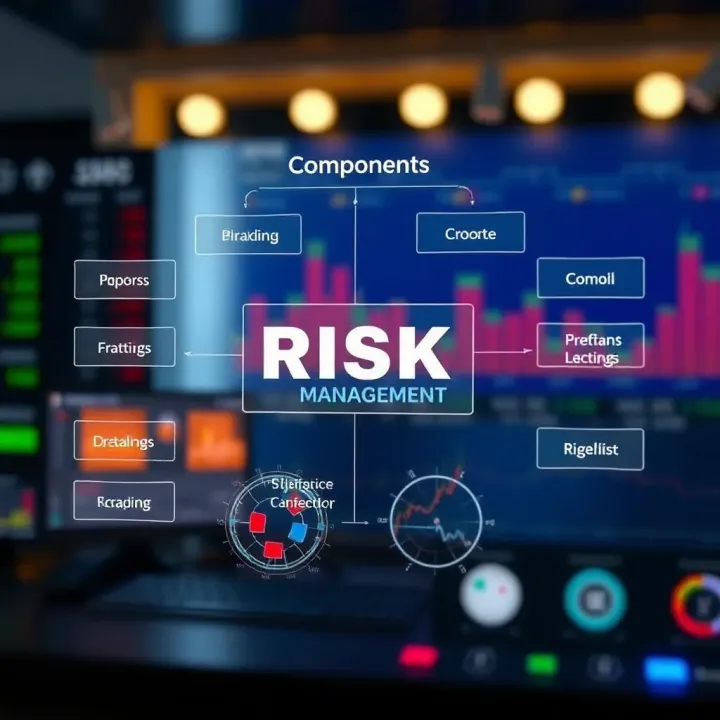
Understanding Risk Management: Practical Guide
Explore practical risk management basics ➡️ understand key strategies, challenges, and how Kenyan businesses safeguard success effectively.
Edited By
Emily Foster
Managing risk is vital for any business or investor who wants to keep operations smooth and protect their investments. Risks could come from market swings, regulatory changes, or even internal issues like fraud or technical failures. Understanding practical approaches to manage these risks means you can spot trouble before it disrupts your goals.
Risk management involves several key steps: identifying potential risks, assessing their impact, deciding on mitigation strategies, and constantly monitoring the landscape. Each step requires a clear method that suits your specific industry and environment. For example, a trader might focus heavily on market risk analysis, while a manufacturing business prioritises safety and equipment failure risks.
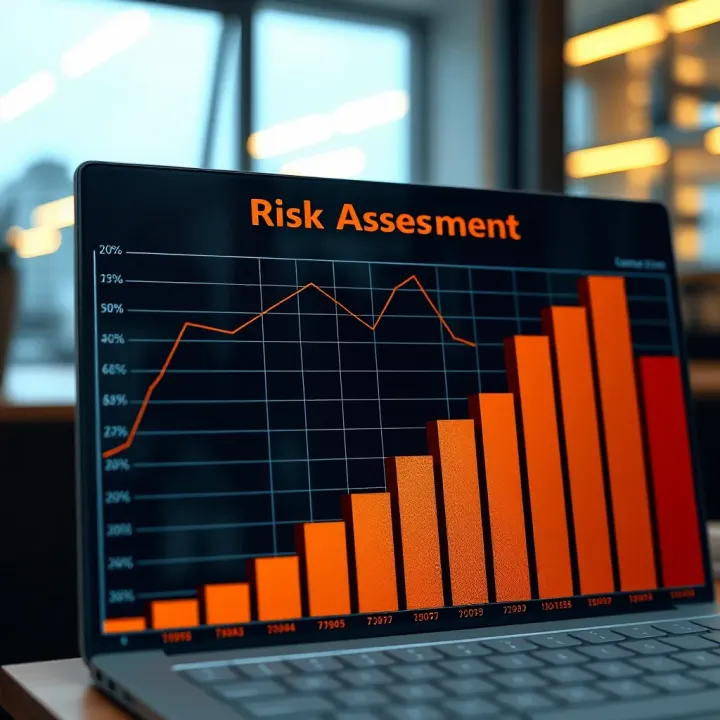
Consider a Nairobi-based exporter who uses forward contracts to shield their currency exposure. This is a practical way to limit losses caused by Kenya Shilling volatility against the US dollar. Meanwhile, a small hotel in Mombasa might invest in good insurance policies and regular staff training to manage risks related to property damage and service quality.
Effective risk management isn’t about avoiding risks entirely but about spotting them early and making smart moves to reduce their negative effects.
Many Kenyan businesses overlook risk until problems become visible. But adopting clear strategies like risk registers, SWOT analysis (Strengths, Weaknesses, Opportunities, and Threats), and regular audits helps keep risks within manageable levels. These methods suit firms regardless of size, from jua kali artisans to established corporations.
In this article, we’ll take a close look at practical risk management methods used locally and internationally. You’ll learn how to identify which risks are most critical, analyse them properly, and choose steps to control or mitigate them. This guidance is designed to fit the Kenyan business context, considering local regulations, economic trends, and business culture.
Understanding these approaches will enable investors, traders, financial analysts, and educators to make better decisions, protect assets, and enhance resilience against uncertainties. With clear strategies, your business or portfolio can better handle shocks and seize opportunities when they arise.
Understanding risk management is the first step for any business or organisation aiming to stay afloat in an unpredictable world. It involves recognising potential threats that could derail operations or cause losses, then planning how to handle those threats effectively. In Kenya, where economic and regulatory conditions can shift quickly, grasping risk management is vital to protect investments and sharpen competitiveness.
Risk refers to the possibility of experiencing harm or loss from uncertain events. In everyday business, risks range from supplier delays to sudden market changes or fraud. For example, a small Nairobi retailer might face the risk of stock theft or fluctuating currency rates affecting import costs. Understanding these risks helps businesses prepare rather than react with surprise.
The main aim of risk management is to reduce potential negative impacts on resources and operations while maximising opportunities. This involves identifying risks early, evaluating their potential impact, and putting controls in place. For instance, a medium-sized agro-processing firm might adopt specific quality checks and diversify suppliers to avoid production halt due to a failed batch or supplier issues.
Risk deals with known probabilities of events occurring; uncertainty involves unknown probabilities. In practical terms, a financial investor in the NSE (Nairobi Securities Exchange) can estimate risk based on past market behaviours—it’s measurable. Uncertainty, however, includes unexpected government policy shifts or natural disasters that are harder to predict and plan for. Effective risk management focuses more on risks but remains vigilant about uncertainties.
Both SMEs and large firms face risks, but their capacity to absorb losses differs. SMEs in Kenya often operate with tight cash flows, so a single disruption—like a delay in payment from suppliers or customers—could threaten survival. Larger firms might handle such shocks better but face higher stakes and complexity, such as exposure to foreign exchange fluctuations or compliance costs.
Kenya’s business environment is unique due to its evolving regulatory framework and economic conditions. Frequent changes in tax policies or import/export regulations require firms to stay agile. For example, sudden alterations in VAT rules or increased levies can impact pricing strategies and profit margins. Economic factors such as inflation spikes or fluctuating interest rates also directly affect operating costs and borrowing.
Certain industries face sector-specific risks. Agriculture businesses contend with unpredictable weather patterns during long and short rains, affecting crop yields. Tourism depends heavily on political stability and global travel trends. Manufacturing firms must navigate supply chain disruptions and power outages. These concrete challenges show why tailored risk management approaches are essential.
A clear grasp of risk management helps Kenyan businesses become proactive, not just reactive, in handling setbacks and seizing opportunities in an ever-changing market.
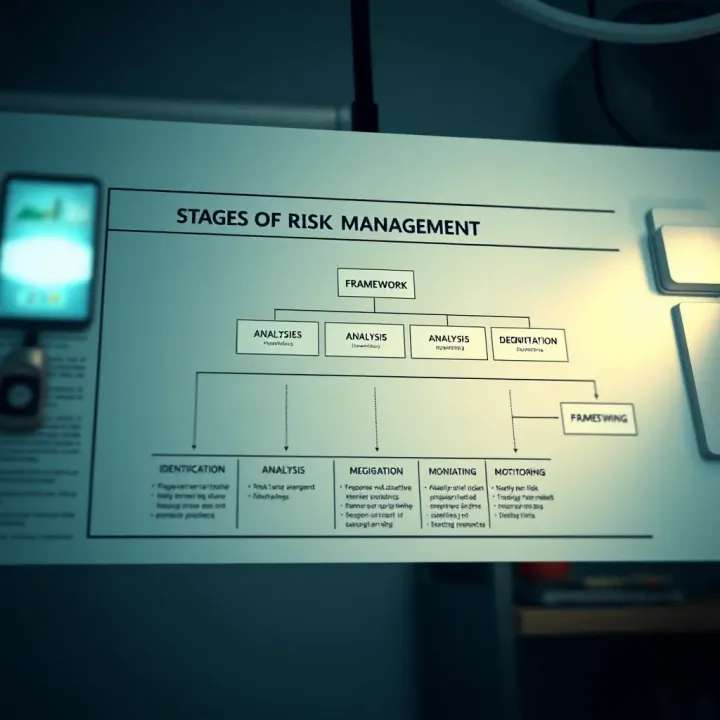
Effective risk management begins with properly identifying and assessing potential risks. This stage is vital because it helps organisations understand what threats could disrupt operations or impact their investments. Without clear identification and assessment, resources might be wasted chasing low-risk issues or missing more pressing dangers entirely. In Kenya's diverse business landscape—from small-scale traders to large manufacturers—knowing which risks to prioritise can make or break success.
Brainstorming and expert interviews involve gathering insights from people who know the business inside out or have faced similar challenges elsewhere. For instance, a financial analyst working with crop exporters might consult farmers, logistics experts, and customs agents to list all potential risks such as drought, transport delays, or policy changes. This collaborative dialogue taps into experience and local knowledge, often uncovering less obvious risks that wouldn't appear in standard reports.
Checklists tailored for local industries offer a structured way to spot common risks based on sector-specific realities. For example, a checklist designed for Kenya’s construction industry would include items like equipment theft, regulatory licences, worker safety compliance, and material price fluctuations. Using such tools, businesses can systematically exclude or confirm threats, ensuring no vital risk is overlooked.
Use of historical data and reports helps in understanding patterns and frequency of specific risks. Kenyan firms can examine past incident reports, insurance claims, or government publications that detail challenges faced within their sector. A tea exporter might review weather data and previous crop failures to better prepare for climate-related risks. These records ground assumptions in evidence, avoiding guesswork.
Qualitative risk assessment methods focus on describing risks in terms of severity and likelihood using categories like high, medium, or low. This approach is useful when precise data is scarce, such as at the start of a new project or in SMEs with limited resources. For example, a trader might decide a power outage risk is high during certain months but low the rest of the year, guiding when to invest in backup generators.
Quantitative techniques and their limits assign numerical values to risks, often relying on statistical models or financial metrics. While this method can improve precision, especially for large companies with access to detailed data, it may falter in unpredictable environments like Kenya’s informal sector. Quantifying risks such as sudden regulatory changes can be tough, so firms must balance numbers with grounded judgement.
Prioritising risks based on likelihood and impact allows organisations to allocate resources wisely. Risks that are both likely and have severe consequences—say, currency fluctuations affecting import costs—should be addressed first. Lower-impact or rare risks can be monitored instead of receiving immediate action. This prioritisation ensures that risk management efforts yield real protection rather than scattergun efforts.
Pinpointing which risks deserve attention saves time and money. That strategic focus is especially important where budgets are tight and challenges many.
By combining these identification and assessment methods, Kenyan businesses and investors can build a clearer picture of their risk landscape. This clarity boosts confidence when making decisions and planning for the future.
Risk control and mitigation strategies are essential for businesses wanting to maintain stability and protect their investments. They focus on reducing the chances and impact of risks by either avoiding them altogether, transferring responsibility, or learning to accept manageable levels. For Kenyan investors and traders, these strategies are practical tools to safeguard against uncertainties like market shifts, operational hiccups, or regulatory changes.
Adjusting business processes to minimise exposure means changing how your business operates to lower the chances of risk. For example, a dairy farm in Nakuru might improve its storage facilities to reduce spoilage risk during Kenya's long rains season. Similarly, traders can limit risks by staggering supplier contracts so that supply chain disruptions don't halt operations entirely. By streamlining workflows, automating repetitive tasks, or switching to more reliable suppliers, businesses actively cut their vulnerability.
Implementing safety standards and controls involves setting rules and procedures to ensure safer operations and compliance. A construction company in Nairobi, for example, might enforce strict helmet and harness rules to reduce the risk of injuries that could delay projects or increase compensation costs. Equally, financial firms use control measures to prevent fraud, such as dual authorization for large transactions. These standards reduce accidents, penalties, and losses, improving overall resilience.
Use of insurance products in Kenya is a practical way to shift financial risk to insurers, protecting firms from unpredictable losses. Whether it's a small shop in Kisumu getting business interruption cover or a large exporter purchasing marine insurance for cargo, insurance spreads costs in case of damage, theft, or accidents. With products from companies like Jubilee or APA Insurance tailored to local risks, Kenyan businesses can safeguard assets without holding back capital for unexpected events.
Outsourcing and contractual arrangements allow some risks to be passed to third parties through agreements. For instance, a Nairobi tech firm outsourcing server maintenance to a specialised provider shifts the technology failure risk to experts. Similarly, contracts can include clauses that hold suppliers responsible for late deliveries. By outsourcing non-core activities, companies focus on their strengths and reduce exposures they can’t easily manage internally.
Situations where risk appetite applies refer to instances where an organisation intentionally tolerates some risk because avoiding it would limit growth or opportunity. A stockbroker dealing in volatile shares accepts price swings but manages limits carefully. Kenyan start-ups often accept some market and operational risks as part of scaling up. Knowing your risk appetite ensures you don't overextend but still pursue worthwhile ventures.
Role of continuous evaluation and feedback lies in regularly reviewing risks and mitigation efforts to adapt strategies as conditions change. Businesses in Kenya’s dynamic environment, such as matatu operators or exporters, need constant monitoring to spot emerging threats early. Tools like monthly risk reviews or feedback sessions help refine responses and keep risks within control.
Taking active steps to control, transfer, or accept risks with ongoing oversight allows Kenyan businesses to navigate challenges confidently and remain competitive.
By applying these targeted strategies, investors, traders, and financial analysts in Kenya can better protect their operations and enhance long-term success.
Technology plays a significant role in modern risk management, making it easier for businesses to identify, assess, and monitor risks efficiently. For investors, traders, and financial analysts, having reliable tools can mean quicker responses to market changes and better decision-making. In Kenya’s dynamic business environment, technological solutions help bridge gaps caused by limited resources or dispersed operations.
Risk management software solutions provide businesses with a structured way to collect, analyse, and report risks. These platforms often include dashboards, automated alerts, and data visualisation tools that help make sense of complex risk data. For example, software like Resolver or RiskWatch allows organisations to track compliance, incidents, and risk trends over time, which proves invaluable in reducing unforeseen losses.
Locally, some firms have adapted international risk management tools to fit Kenyan business needs, often integrating data from local sources. Platforms such as Kenya's Integrated Financial Management Information System (IFMIS) help government agencies monitor financial risks, while private companies may use tailored ERP solutions incorporating risk modules to oversee supply chain or credit risks specific to Kenyan markets.
Mobile technology offers an edge in real-time risk updates. Companies use mobile alerts to notify staff or managers about new risks or changes in existing ones, enabling fast responses. For instance, oil companies operating in Kenya’s remote regions rely on mobile alerts to signal equipment failures or safety breaches, allowing quick mobilisation of repair teams.
Moreover, M-Pesa has revolutionised financial risk control by providing instant transaction records and mobile data insights. Traders and businesses can monitor cash flow and credit limits on the go, reducing exposure to fraud or liquidity shortages. Mobile data also supports credit scoring models used by lenders and insurers, helping them evaluate risk more precisely based on real-time financial behaviour.
Harnessing local mobile and digital technologies empowers Kenyan businesses to manage risks responsively and cost-effectively, a vital advantage in unpredictable markets.
These tools and technologies are not just fancy add-ons but integral to building a resilient risk management system that keeps pace with Kenya’s fast-evolving business landscape.
Promoting a risk-aware culture in an organisation means making risk management part of everyday work. When everyone—from senior leadership to junior staff—understands and values risk awareness, the organisation can spot and respond to potential threats sooner. This mindset reduces surprises and helps keep operations steady even when challenges arise. In Kenya’s diverse business environment, where risks from economic shifts or regulatory changes can hit quickly, having a risk-aware culture is especially useful.
Regular training equips employees with the knowledge to identify and handle risks relevant to their roles. For instance, a teller in a bank trained on fraud indicators can catch suspicious transactions early, protecting both the bank and customers. Without ongoing training, staff might miss crucial signs or follow outdated procedures, exposing the organisation to avoidable losses.
Training also boosts confidence and accountability, encouraging employees to speak up when they see risks. In practice, companies like Safaricom offer periodic workshops to refresh staff on risk issues and new threats, which helps maintain vigilance across departments. This kind of consistent education makes risk management practical, not just a policy on paper.
Leaders set the tone by making risk management a clear priority. When top management actively supports risk initiatives, allocates resources, and communicates openly about risks, it empowers the entire organisation to follow suit. For example, the CEO of an investment firm might schedule quarterly risk reviews for the board, signalling that managing risk is non-negotiable.
Leadership involvement also means demonstrating proper risk behaviour—taking responsibility and avoiding finger-pointing when risks materialise. A respected leader acknowledging mistakes and promoting learning encourages a culture where staff are proactive rather than defensive. In Kenya’s business context, where trust within teams can strongly influence performance, leadership commitment underpins success in managing risks.
Well-crafted guidelines give staff a clear framework for recognising, reporting, and handling risks. Such policies need to be practical and tailored to the organisation’s specific challenges. For instance, a manufacturing company might outline safety protocols to avoid equipment accidents or steps to respond if a supplier fails to deliver on time.
Clear guidelines prevent guesswork and inconsistency, ensuring everyone acts in line with organisational goals. These rules support compliance with Kenyan laws and industry standards, helping avoid fines or operational disruptions. Regular review and updates keep the guidelines relevant as markets or regulations change.
Simply writing policies is not enough—organisations must ensure everyone reads and understands them. This requires accessible communication methods, such as staff meetings, intranet postings, or printed manuals, depending on the company's setup. For example, a financial trading firm might share risk protocols through weekly briefings and an online portal.
Proper documentation also creates a reference point when investigating incidents, helping determine what went wrong and how to improve. Transparency about risks and procedures promotes trust across teams and lowers the chances of mistakes caused by unclear instructions. In a Kenyan setting where many businesses have mixed workforce skill levels, making information easily understandable is particularly important.
Building a risk-aware culture isn’t just about ticking boxes—it's about embedding attitudes and behaviours that protect the organisation over time. Training, leadership, clear guidance, and open communication all play a part in making risk management effective and sustainable.
Explore practical risk management basics ➡️ understand key strategies, challenges, and how Kenyan businesses safeguard success effectively.
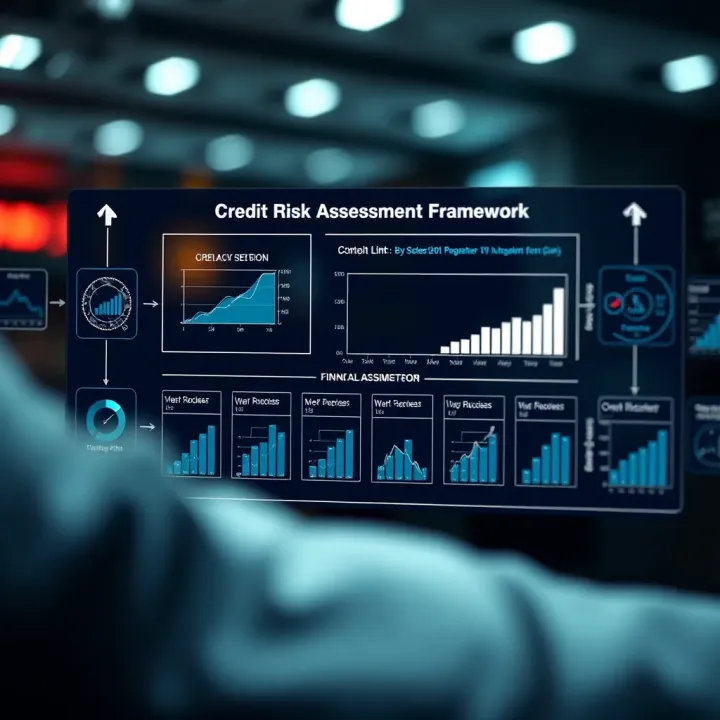
Learn key strategies and tools for effective credit risk management in Kenya 🏦. Stay ahead with practical tips on assessing and controlling loan defaults 📉.
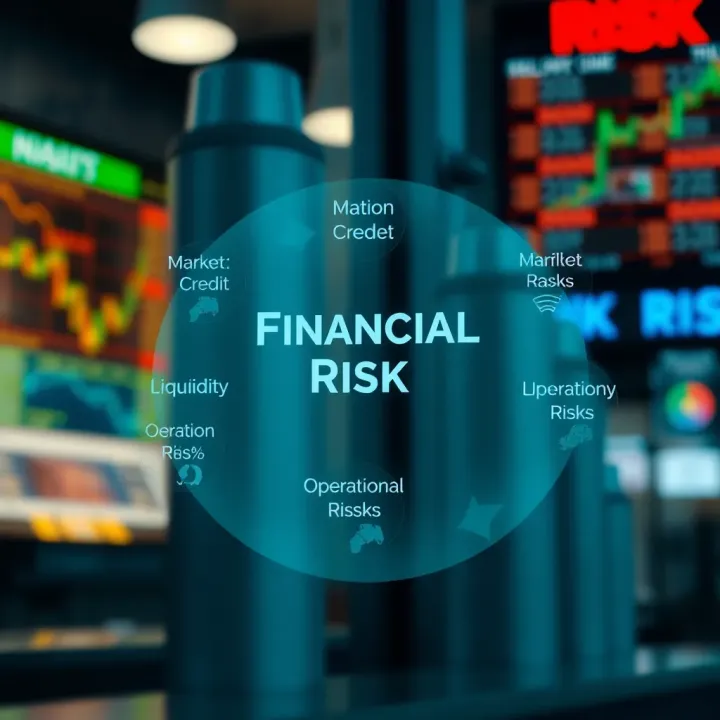
Discover how to spot, assess, and reduce financial risks in your business. Stay compliant and monitor risks continuously to protect your investments 💼📉

Explore how Enterprise Risk Management frameworks help Kenyan businesses spot, evaluate, and handle risks to boost decision-making and resilience. 📊🔍
Based on 10 reviews