

Top Forex Trading Books for Kenyan Traders
📚 Master forex trading in Kenya with top books on technical analysis, risk management, and trading psychology to boost your skills and confidence.
Edited By
Sophie Wilkinson
Starting forex trading in Kenya requires understanding the minimum capital you need and how this fits with your financial goals. Unlike some other ventures, forex trading doesn’t have a fixed entry fee. Instead, the amount depends on various factors like your broker’s minimum deposit, chosen trading strategy, and risk tolerance.
Most forex brokers operating in Kenya allow you to start with as little as KSh 1,000 to KSh 5,000. However, such small amounts might limit your ability to make significant profits or absorb losses comfortably. Many experienced traders suggest beginning with at least KSh 20,000 because it gives some room to manage trades and risks prudently.
Remember, forex trading isn’t about throwing money at the market but managing your funds wisely to make sustainable gains.
An important factor influencing your starting capital is the leverage your broker offers. Leverage allows you to control larger amounts of currency with a smaller deposit, but it also amplifies risks. For example, with 1:100 leverage, a deposit of KSh 10,000 lets you trade KSh 1 million in currency value. This can be tempting but also dangerous if you don't have proper risk management.
Besides capital, the regulatory environment matters. The Capital Markets Authority (CMA) in Kenya licenses and supervises forex brokers to safeguard investors. Choosing a CMA-regulated broker ensures your money is protected and trading conditions are fair. Some unregulated platforms might offer low minimum deposits, but they carry higher risk of fraud or inadequate customer support.
When picking a broker, consider these:
Minimum deposit requirements – confirm the lowest amount you can start with.
Trading platforms supported – choose user-friendly ones like MetaTrader 4 or 5.
Spread and commission costs – these affect your overall profitability.
Customer service quality – crucial when you face challenges.
To sum up, while you can technically start trading forex in Kenya with under KSh 5,000, setting aside KSh 20,000 or more will give you a practical advantage. That will allow you to explore diverse currency pairs, experiment with positions, and build skills without immediately running into cash constraints.
Understanding these points prepares you well before you fund your trading account. Next, we will explore how to select the best broker tailored to Kenyan traders' needs.
Knowing the minimum capital needed to start forex trading in Kenya is essential for anyone looking to enter this market. It helps you plan your finances, choose the right broker, and decide on the best trading strategies that match your budget. For instance, without enough initial capital, a trader might take excessive risks or struggle to stay afloat during market fluctuations.
Kenyan forex traders often face the challenge of balancing cost with opportunity. Starting with too little money might limit your trading options and potential returns, while too large a deposit could expose you to higher risks before you gain adequate experience. Understanding typical starting amounts gives you a clear benchmark to compare various brokers and account types available locally.
In Kenya, most retail forex brokers require a minimum deposit ranging from KS,000 to KS0,000 to open a live trading account. For example, popular brokers like XM and Exness offer accounts starting at around KS,000 (approximately $40), which is accessible for many beginner traders. On the other hand, some premium or professional accounts might require deposits above KS00,000, targeting traders with more capital and experience.
This variation is important because it influences which brokers you can afford and how actively you can trade. Many new traders start with the lower end of the scale, using these accounts to test their skills and improve without risking too much. However, it is worth remembering that brokers sometimes advertise low minimum deposits but might limit the available trading instruments or charge higher spreads on these accounts.
The type of trading account you choose directly impacts the minimum deposit. Typical accounts include micro, standard, and VIP or professional accounts.
Micro accounts usually allow deposits as low as KS,000, ideal for beginners wanting to start small and manage risk carefully.
Standard accounts require a bit more capital, often KS0,000 or more, providing lower spreads and better trading conditions for more serious traders.
VIP or professional accounts may need deposits of KS00,000 or above. These offer advanced features like personalised support, faster executions, and access to more markets.
Choosing the right account depends on your budget and trading goals. For example, a trader planning quick, frequent trades might prefer a standard or VIP account to access tighter spreads and leverage, while a learner testing strategies might opt for a micro account to limit exposure.
Starting forex trading with a clear understanding of your needed capital lets you avoid common pitfalls such as overtrading or choosing ill-suited brokers. It sets a solid foundation for disciplined and informed trading in the Kenyan market.
Several elements shape the minimum deposit a trader needs to start forex trading, especially in Kenya where market conditions and broker policies vary. Understanding these factors helps traders prepare adequate capital and choose suitable trading options.
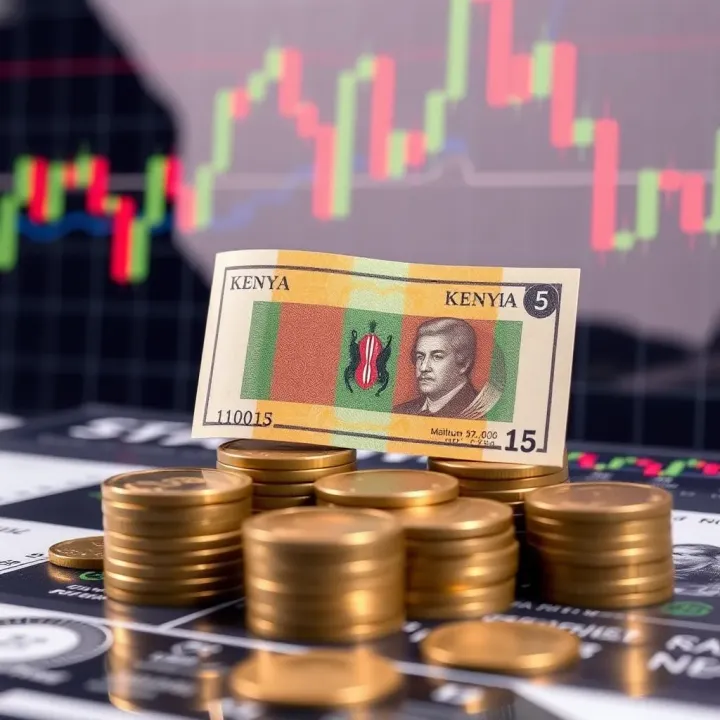
Each forex broker in Kenya sets its own minimum deposit tailored to different trader profiles. For instance, some brokers allow starting with as low as KSh 1,000, targeting casual or new traders, while others demand KSh 50,000 or more for professional accounts. These variations reflect the services offered, such as access to premium trading platforms or higher leverage options. Besides deposit size, brokers often run promotions—for example, bonus credit on deposits above certain amounts—that can enhance your trading capacity.
Choosing a broker isn’t just about the cheapest entry. Some with low minimum deposits might have wider spreads or fewer trading instruments, affecting profitability. On the other hand, brokers requiring bigger deposits often provide better educational support and customer service, which may benefit beginners who want hands-on guidance.
Leverage enables traders to control a larger position with a smaller capital outlay, significantly influencing the minimum deposit needed. For example, a broker offering 1:100 leverage means you can open a trade worth KSh 100,000 with just KSh 1,000 in your account. However, the higher the leverage, the greater the risk of amplified losses. In Kenya, common leverage levels range from 1:50 to 1:500 depending on broker rules and regulatory compliance.
Leveraging is a double-edged sword: while it lowers the initial deposit requirement, traders must be cautious and use proper risk management. Novice traders should avoid maxing out leverage, as that can lead to a quick margin call.
Your planned trading strategy and risk appetite also affect how much capital to start with. Scalpers or day traders who make multiple trades daily might require more funds to cover transaction costs and absorb market fluctuations. Conversely, swing traders holding positions for several days might manage with smaller deposits since their trading frequency is lower.
Risk tolerance plays a part too. Conservative traders often prefer larger deposits to keep position sizes smaller and manage risks better. Aggressive traders may start with minimal capital but accept chances of rapid gains or losses. For example, someone using stop-loss orders and only risking 1–2% of the account per trade needs enough capital to make this feasible.
A clear grasp of these factors — broker terms, leverage, and trading style — sets realistic expectations and helps you avoid common pitfalls in forex trading.
Understanding how these elements interplay allows you to choose the right broker and set your minimum deposit thoughtfully, paving the way for a safer and potentially more profitable trading journey in the Kenyan market.
The regulatory environment in Kenya plays a significant part in shaping the forex trading landscape, especially regarding the minimum capital you need to trade. Understanding these regulations ensures that your money is safe and that you trade within the legal frameworks that protect investors. The Kenyan Capital Markets Authority (CMA) oversees forex activities, and their rules influence how brokers operate and the capital thresholds they set.
The CMA regulates all capital market activities in Kenya, including foreign exchange trading. It ensures that brokers are licensed and adhere to fair trading practices, transparency, and accountability. Brokers licensed by CMA must meet capital requirements, which in turn affects the minimum deposit amounts you may encounter. For example, a CMA-regulated broker might require a higher initial deposit compared to unregulated ones due to compliance costs, but this often comes with better security for your funds.
By choosing brokers monitored by CMA, you avoid the risks linked with unlicensed operators who may promise attractive low minimum deposits but lack investor protection mechanisms. The CMA also monitors brokers to ensure they maintain adequate capital reserves, which helps avoid scenarios where traders lose funds due to broker insolvency.
Selecting a licensed broker is a key step in safeguarding your investment. Licensed brokers in Kenya must follow strict guidelines such as segregating client funds from company accounts. This means your deposit is kept separate and protected in case the broker runs into financial trouble. Without such protections, your capital could be at risk.
Besides fund segregation, licensed brokers provide regular statements and audit reports, increasing transparency. They also offer clear dispute resolution channels, which gives you a fallback if things go wrong. When starting with a small capital, these protections reduce the risk of losses unrelated to market movements.
Trading with a CMA-licensed broker not only ensures your funds are safer but also means you operate in a regulated environment where market manipulation and fraud are less likely.
In summary, the regulatory framework in Kenya directly affects how much you need to start trading forex. Traders should prioritise CMA-licensed brokers, even if that means a slightly higher minimum deposit, because this approach balances cost with safety. Before depositing any funds, always verify the broker’s licensing status to avoid common pitfalls experienced with unregulated firms.
Selecting the right forex broker is key for any trader, especially when capital is tight. Your choice impacts not only the minimum deposit but also your trading experience, safety of funds, and ability to access various market opportunities. Kenyan traders should weigh deposit thresholds alongside other broker features to find the best fit for their goals.
Minimum deposits vary widely between brokers and affect how quickly you can start trading. Some brokers allow deposits as low as KS,000, making them ideal for beginners or those with limited funds. Others may ask for KS0,000 or more, which could offer access to premium services or tighter spreads but require a heftier initial outlay.
For example, a broker like HotForex Kenya offers micro-account options starting around KS,000, whereas others such as FXPesa might require at least KS0,000. Choosing a broker with a deposit level aligned to your budget helps avoid locking in more capital than needed, reducing early risks.
Trading through a broker licensed by Kenya’s Capital Markets Authority (CMA) is vital. CMA regulation ensures brokers comply with strict rules protecting Kenyan traders’ funds and trading transparency. Without proper licensing, you risk exposure to unscrupulous brokers who might delay withdrawals or manipulate prices.
Plus, regulated brokers often segregate client funds, meaning your deposit isn’t mixed with their operating funds, offering extra protection in case the broker faces financial trouble.
The platform a broker provides impacts how smoothly you trade and your access to tools. Many Kenyan brokers offer popular platforms like MetaTrader 4 or MetaTrader 5, both supporting mobile, desktop, and web use. These platforms allow access to charts, indicators, and automated trading.
Some brokers include additional features such as social trading or proprietary platforms with easy interfaces. Choose a platform you are comfortable with and that suits your trading style—whether you prefer technical analysis or quick trades.
Reliable customer support can make or break your forex journey. Brokers with responsive, knowledgeable support help resolve issues quickly, saving you from costly delays. Look for brokers with 24/7 support in English and Kiswahili, considering Kenya’s trading hours and language needs.
For instance, brokers with live chat, phone lines, and local offices provide better assistance than those relying only on email.
Kenyan traders rely heavily on M-Pesa for quick and trusted money transfers. Brokers offering M-Pesa deposits and withdrawals simplify fund management and reduce transaction times and costs.
Besides M-Pesa, check if the broker supports bank transfers or cards, as having multiple payment methods makes it easier to move money without complications. Brokers that facilitate instant deposits through M-Pesa stand out for convenience.
Picking the right broker means balancing affordable deposit requirements with strong regulation, user-friendly platforms, good support, and seamless payment options. This approach sets you up for a safer, smoother start in forex trading.
Starting forex trading with limited capital demands a careful approach. Many traders in Kenya begin with smaller amounts, so knowing how to manage and grow that capital wisely is key. Practical tips help you avoid costly mistakes and build confidence without risking more than you can afford.
It’s easy to get carried away thinking you’ll double your money overnight. However, forex trading is unpredictable, especially with a small deposit where each loss hits harder. Realistic expectations mean understanding that losses are part of the process and profits usually come gradually. For example, if you start with KSh 10,000, expecting to earn KSh 50,000 quickly is risky. Instead, focus on steady gains, say 5-10% monthly, which leaves room to recover from inevitable setbacks.
When your trading capital is small, managing risk becomes even more critical. Using stop-loss orders is one way to protect your investment; they automatically close your position if losses reach a certain point. Suppose you risk only 1-2% of your deposit per trade — for KSh 10,000, that’s just KSh 100 to KSh 200. This approach guards against a string of bad trades wiping you out. Also, avoid over-leveraging since it amplifies losses as well as gains. Trading smaller lots keeps you safer and helps you learn without huge financial pressure.
Before putting cash on the line, use demo accounts offered by brokers. These simulate real trading environments without risking actual money. Kenyans starting out can practise executing trades, testing strategies, and getting familiar with platforms like MetaTrader 4 or 5. Besides demos, education matters—a lot. Many licensed Kenyan brokers provide free webinars, articles, and videos focused on the local market. Taking time to learn technical analysis, fundamental factors affecting currencies, and trading psychology can make the difference between losing money and building a solid portfolio.
Starting small doesn’t mean you can’t grow. It means you trade smart, stay patient, and build skills steadily.
By setting clear, achievable goals, managing risk carefully, and gaining experience through demos and learning materials, forex traders with limited capital can improve their chances of success and protect their savings. This approach also fits well within Kenya’s financial realities where most new traders want to grow their money thoughtfully rather than rush into risky ventures.
📚 Master forex trading in Kenya with top books on technical analysis, risk management, and trading psychology to boost your skills and confidence.
📱 Thinking of forex trading in Kenya? Discover top apps, learn features, security tips, and find the best fit for safe, smooth trading journeys today!

Explore top forex trading companies in Kenya 🇰🇪, learn how the market works, choose the right broker, and get tips for safe, smart trading 💹.
Find the best forex trading platform in Kenya 🇰🇪 with our guide on top options, key features, regulations, and tips to trade safely and efficiently 📈
Based on 8 reviews