

Managing Compliance Risks in Kenya: A Practical Guide
📊 Learn how Kenyan businesses can identify and manage compliance risks effectively to avoid legal issues and hefty fines with practical strategies and tools.
Edited By
Emily Carter
Operational risk management involves identifying, assessing, and controlling risks that emerge from a company’s internal operations. In Kenya, businesses face distinct challenges stemming from infrastructure gaps, regulatory changes, and local market dynamics. Ignoring these risks can lead to financial losses, damage to reputation, or even complete business disruption.
Understanding operational risk starts with recognising its sources. These include system failures like power outages (common in rural areas), human errors such as data entry mistakes, process weaknesses, and external factors like political unrest or natural events affecting supply chains. For instance, a small manufacturer in Nairobi might struggle if frequent power cuts halt production, leading to delayed orders and cash flow problems.
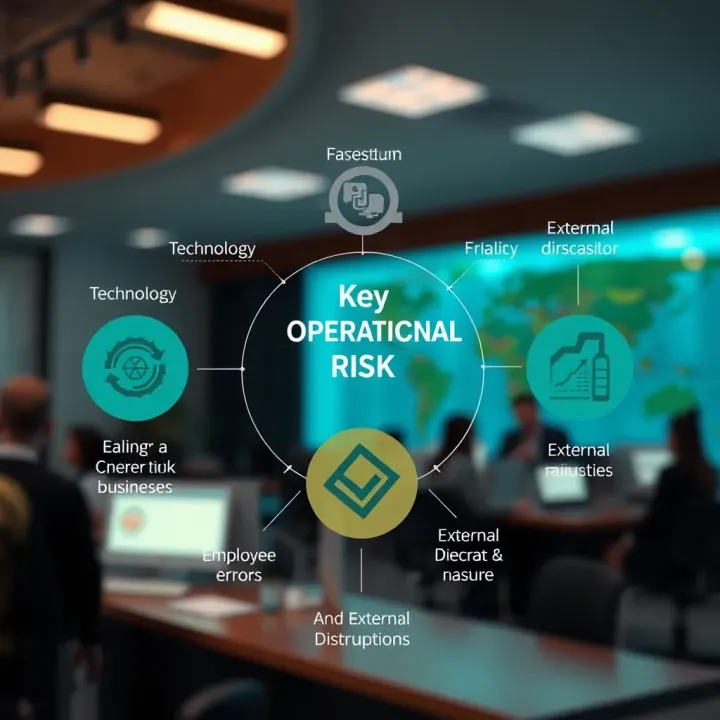
Effective operational risk management not only safeguards your business but also positions it to comply with Kenyan regulatory expectations and boost investor confidence.
To manage these risks, Kenyan businesses should adopt structured processes that cover risk identification, measurement, monitoring, and mitigation. Practical tools such as risk registers and key risk indicators (KRIs) help track potential trouble spots. Good governance frameworks ensure accountability, often involving risk committees or dedicated teams within the organisation.
For example, banks regulated by the Central Bank of Kenya invest heavily in operational risk controls to avoid fraud and system failures that can affect thousands of customers daily. SMEs, on the other hand, can start by training staff on internal controls and having backup arrangements for critical equipment.
In a nutshell, operational risk management in Kenya means:
Spotting unique local risks affecting your business
Implementing simple, clear procedures to handle threats
Using tools like risk registers and KRIs for early warning
Setting up governance structures for responsibility
Aligning with regulatory requirements, such as those from the Central Bank of Kenya or CMA
Getting these basics right improves your business resilience and makes it easier to attract investors or partners who look for careful risk handling before committing resources.
This article will further explore common operational risks Kenyan businesses face and practical approaches you can take to keep your operations running without hitches.
Operational risk management is the process of identifying, assessing, and controlling risks that arise from everyday business activities. In Kenyan enterprises, it means taking steps to prevent losses caused by failures in internal systems, processes, people, or external events such as supply chain disruptions or regulatory changes. Properly managing these risks helps keep operations smooth, protects assets, and fosters trust among customers and investors.
Operational risks in Kenyan businesses cover a wide range of issues. For example, a manufacturing firm in Nairobi may face machinery breakdowns disrupting production schedules. Banks can experience IT system outages affecting mobile money services like M-Pesa transfers. Even risks such as frequent power blackouts can force retail outlets to lose sales during peak hours. These examples show operational risks are often tied to the actual running of business processes rather than market or investment activities.
Unlike financial risks, which relate to losses from market fluctuations or credit defaults, operational risks deal with failures inside the company’s control like process errors or system glitches. Strategic risks come from poor business decisions or shifts in the industry. For instance, a strategic risk might be opening a store in an area with little demand. Operational risks affect daily functions and can quickly escalate if ignored, while financial and strategic risks tend to impact the business over a longer term.
Failing to manage operational risks threatens business continuity. Imagine a supply chain delay in Mombasa leading to empty shelves in a Nairobi supermarket chain; customers will turn elsewhere, hurting sales and reputation. Similarly, fraud by employees can erode trust among stakeholders. A good operational risk approach ensures resilience so operations stay intact during disruptions, maintaining customer confidence and market position.
Ignoring operational risks can be costly in direct repairs, lost revenue, and damage control. For example, a hotel in Mombasa that experiences an IT system hack could incur large expenses to restore systems and face cancellations. These costs quickly outweigh investments in prevention. Besides monetary loss, bad operational events can trigger regulatory fines or loss of licences in Kenya, making risk management a financially sound decision.
Effective operational risk management is not just about avoiding problems but ensuring your business thrives even when challenges arise.
Key elements include identifying weak points, developing controls, and constantly monitoring for changes.
Kenyan businesses benefit most when these practices are embedded in everyday activities rather than treated as occasional checks.
By understanding what operational risk management means and why it matters, Kenyan investors and business leaders are better positioned to protect their ventures and capitalise on growth opportunities without unnecessary setbacks.
Operational risks are a constant concern for businesses in Kenya, as these can abruptly disrupt activities and cause financial strain. Understanding the common risks faced within the local context helps organisations prepare better and maintain smooth operations. Kenyan enterprises often juggle multiple challenges from internal workings, people management, and external factors unique to the country’s economic and political environment. Being aware of these risks allows decision-makers, investors, and analysts to spot vulnerabilities early and protect value.
Process breakdowns and human errors usually crop up when established procedures aren’t followed properly or when manual tasks go unchecked. For instance, in a Nairobi-based manufacturing company, missing a quality check step due to staff oversight can lead to defective products reaching customers, harming reputation and sales. Such errors can stem from poor training or unclear instructions. Since many Kenyan SMEs still rely on manual record-keeping or outdated systems, the potential for mishaps remains high.
On the other hand, IT system failures and cybersecurity threats are becoming major headaches, especially as more businesses adopt digital tools. Outages of core systems, like inventory databases or payment platforms such as M-Pesa integration, can grind operations to a halt. Cyber threats are also on the rise, including phishing scams targeting bank accounts or ransomware attacks disrupting company files. Local SMEs and even larger enterprises need to prioritise robust IT infrastructure and regular security training to fend off these risks.
Skill gaps and staff turnover pose ongoing operational risks in Kenyan firms. The difficulties in recruiting trained professionals—particularly in IT, finance, or specialised trades—mean that businesses might lose efficiency or make costly mistakes. High employee turnover adds to the problem, as knowledge leaves with departing staff and replacement costs pile up. For example, a growing fintech start-up in Nairobi may struggle to keep skilled developers who receive better offers overseas.
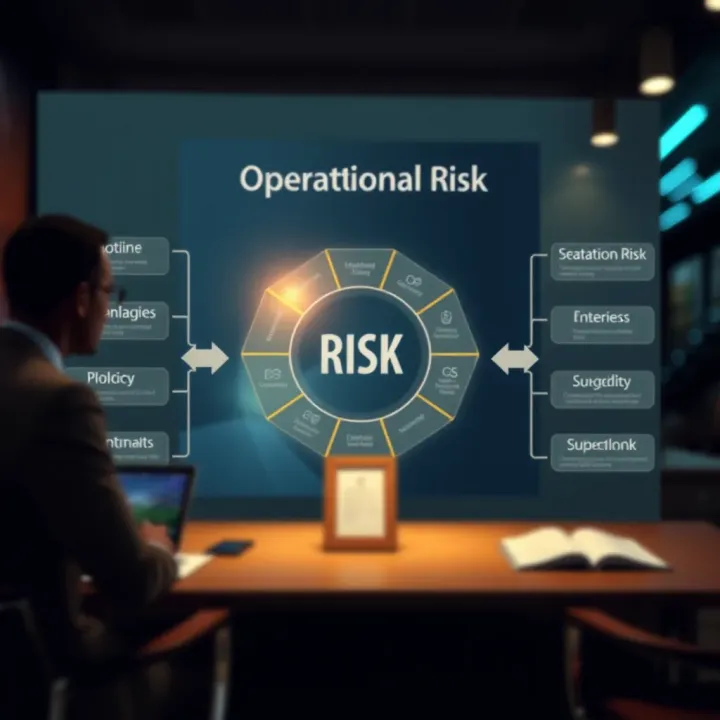
Meanwhile, fraud and misconduct remain serious risks rooted in internal control weaknesses. Small and medium businesses often face pilferage of stock, misappropriation of funds, or falsified records by employees with limited oversight. Even larger firms are not immune, with some scandals emerging from senior staff abusing authority. Implementing clear policies, internal audits, and whistleblowing mechanisms are practical steps Kenyan enterprises should take to combat such behaviour.
Supply chain interruptions frequently affect businesses reliant on imports or raw materials from outside Kenya. Delays at ports like Mombasa due to congestion, strikes, or customs issues can hold up critical stocks. For agricultural exporters, weather patterns such as the long rains influence input availability and production cycles, directly impacting delivery timelines and costs. Businesses that do not diversify suppliers or plan for contingencies risk severe operational disruption.
Regulatory and political changes in Kenya also introduce uncertainty for business operations. New tax policies by the Kenya Revenue Authority or amendments to labour laws can affect costs and compliance burdens. Political events, including elections or policy shifts at the county level, may influence permits, infrastructure projects, or security conditions—sometimes with little warning. Kenyan enterprises must stay informed and adaptable to navigate this shifting landscape effectively.
Kenyan businesses that embrace proactive operational risk management improve their chances of steady growth and resilience. Understanding these common risks helps identify priority areas for controls and highlights opportunities to build strength amid uncertainties.
Effective operational risk management hinges on practical steps businesses can take to identify, control, and monitor risks that may disrupt their day-to-day activities. Kenyan businesses, especially SMEs and those in dynamic sectors like manufacturing or retail, benefit by adopting straightforward methods that fit their resource levels and environments. Practical approaches turn abstract risk concepts into workable, ongoing processes that can reduce losses and improve resilience.
Risk registers play a critical role by listing all identified risks in one document, alongside their likelihood and potential impact. For example, a Nairobi-based manufacturing firm might use a risk register to track hazards from supply delays or power outages during peak production. Mapping tools complement this by visually showing how risks connect or cascade across operations. This helps managers understand where vulnerabilities lie and prioritise which risks need immediate attention.
These techniques allow Kenyan businesses to take a systematic, ongoing look at risks rather than treating them as one-off problems. It also makes it easier to communicate risk status during management meetings or with investors.
Internal audits help verify that risk controls are functioning properly and compliance standards are met. A firm may schedule quarterly audits of cash handling procedures to reduce fraud risks common in retail shops or petrol stations. Scenario analysis goes a step further, simulating situations such as supply chain breaks during the long rains or unexpected regulatory changes affecting licensing. By anticipating these situations, businesses can prepare response plans rather than react in chaos.
Both lend structure to risk oversight and improve a company’s ability to spot emerging threats early before they escalate into bigger losses.
Written policies provide clarity on expected behaviours and procedures, cutting down on human errors that frequently cause operational losses. For instance, a bank in Kenya may have a policy on verifying customer identity that all tellers must follow to avoid fraud. However, policies alone are insufficient without training to ensure staff understand and implement them correctly.
Regular training sessions tailored to the Kenyan business context keep employees alert to risks—from cybersecurity threats targeting M-Pesa agents to machinery handling in jua kali workshops. Continuous learning promotes a risk-aware culture where staff feel empowered to identify and escalate issues.
Dependable IT systems and data backups are vital for smooth operations. A small retailer using a digital point-of-sale system benefits greatly from having reliable internet, surge protection, and daily cloud backups. This reduces downtime from hardware failures or viruses.
In Kenya, where power cuts and connectivity outages occur, businesses that invest in backup generators or alternative internet routes avoid costly disruptions. Technology investments also defend against threats like ransomware, which could lock businesses out of critical information, potentially causing significant losses.
Keeping tabs on how well risk controls work means collecting and analysing data regularly. For example, a logistics firm might monitor delivery delays and incident reports monthly to spot trends and trigger corrective actions quickly. Performance tracking offers a reality check against planned risk tolerance levels.
Using simple dashboards or spreadsheets customised for local needs ensures the process is sustainable even for businesses without large risk teams.
Operational risks don’t stay static—new challenges emerge as markets evolve, regulations change, or technologies develop. Kenyan businesses that establish feedback loops where incidents are reviewed and lessons shared can adapt faster.
When a supermarket faces theft spikes, for example, reviewing incidents together with security staff might lead to new patrol schedules or better CCTV coverage. This continuous adjustment not only limits damage but also builds resilience over time.
Operational risk management is not a one-shot exercise; it’s an evolving practice that depends on practical, ongoing attention to detail, especially in the Kenyan business climate where change is common and rapid.
Effective operational risk management doesn't happen by chance; it relies heavily on the right tools and frameworks. These provide a structured way to identify, evaluate, and control risks, making business operations more resilient and compliant. In Kenya's dynamic business environment, adopting recognised standards and digital solutions ensures firms keep pace with evolving threats and regulatory demands.
ISO 31000 is a globally accepted standard for risk management, offering clear guidelines on how organisations should manage risks systematically. It stresses the need for leadership involvement, integrating risk management into all parts of the business, and tailoring the approach to fit the specific risks the organisation faces. For Kenyan enterprises, following ISO 31000 means establishing a consistent method to handle uncertainties, whether from process failures or external disruptions like market shifts or political changes.
Applying ISO 31000 principles helps Kenyan businesses embed risk awareness into everyday decisions. For example, a manufacturer in Nairobi might use this framework to assess supply chain risks regularly, reducing unexpected downtime. The standard encourages ongoing monitoring and learning, which can prevent minor issues from escalating into costly failures.
Kenyan regulators are increasingly emphasising operational risk controls, especially in sectors like banking, insurance, and telecommunications. The Central Bank of Kenya (CBK) issues directives requiring financial institutions to maintain robust risk management practices. These local guidelines often reference international standards but also address unique Kenyan regulatory requirements, such as compliance with Anti-Money Laundering (AML) laws or handling data protection under the Data Protection Act.
For firms outside regulated sectors, the Kenya Bureau of Standards (KEBS) provides frameworks that align with industry best practices. Businesses that follow these national guidelines are better positioned to avoid penalties or disruptions caused by non-compliance. Local standards also promote transparency and accountability, which are crucial in Kenya’s ever-growing business environment.
Specialised software packages have become essential for managing operational risks effectively. These applications allow businesses to maintain digital risk registers, track incidents, and generate reports automatically. For instance, a company might use applications like Resolver or LogicManager to spot trends in operational failures or monitor staff compliance with safety procedures.
In the Kenyan context, digital platforms also help manage risks linked to data security and cyber threats, which are becoming more common. Using software designed to flag vulnerabilities early can prevent costly breaches or fraud attempts. These tools simplify risk documentation and ensure that information is accessible across departments, speeding up response times when problems arise.
Risk management software works best when integrated with existing business systems such as Enterprise Resource Planning (ERP) or Customer Relationship Management (CRM) platforms. This connectivity means risk data flows seamlessly alongside operational information, providing a fuller, real-time picture for decision-makers.
For example, a logistics company operating in Mombasa might link its risk platform with inventory management software to detect supply chain disruptions quickly. This integration allows for faster corrective actions, reducing losses. Also, cloud-based systems bring flexibility, enabling managers to review risk exposures from anywhere, whether at the office or on the road.
Investing in appropriate tools and frameworks tailored for Kenya’s business climate can be the difference between managing risks effectively and facing costly surprises. A practical approach combines international best practices with local regulatory awareness and modern digital solutions.
Effective governance and a strong risk-aware culture are the backbone of successful operational risk management in Kenyan businesses. They ensure that risk management isn’t just a tick-box exercise but part of everyday decision-making and behaviour across all levels. Without active involvement from leadership and an organisational culture that values transparency, even the best risk frameworks can fail.
Leadership directly influences how seriously operational risks are taken. When CEOs and board members openly prioritise risk management, it signals to the whole company that managing risks is a shared responsibility. For example, Safaricom’s board regularly reviews risk reports and discusses mitigation strategies, embedding risk awareness into strategic choices. This approach encourages managers and staff to be proactive rather than reactive.
The tone at the top also shapes resource allocation. If leadership commits budget and personnel towards strengthening systems or training staff, operational risks are more likely to be controlled. A company where leadership disregards risks may find itself exposed to avoidable losses from fraud, system failures, or regulatory penalties.
Clear accountability structures ensure that every operational risk area has responsible individuals or teams. This prevents risks from falling through the cracks. For instance, KCB Group outlines specific roles in its risk management framework, assigning responsibility for IT security to the Chief Information Security Officer, while process risks are managed by department heads.
Accountability goes hand in hand with decision-making authority. Leaders must empower managers to make timely risk-related decisions without excessive bureaucracy. In fast-moving situations, like supply chain disruptions during Kenyan election periods, quick decisions can minimise impact. Without clear authority, delays cause losses and missed opportunities to contain risks.
A workplace culture that encourages open reporting of risks and near-misses helps flag issues early. Many Kenyan SMEs struggle because employees fear blame when errors occur. Companies like Equity Bank have adopted anonymous reporting channels and regular risk communication forums, creating safe spaces for staff to speak up without fear.
Transparency also means communicating risk information openly, both upwards to leadership and laterally across departments. This ensures everyone understands potential threats and can cooperate on mitigation. Without transparency, risks are hidden until they turn into costly incidents.
Regular training helps embed risk concepts into everyday workflows. Practical sessions on fraud prevention, data protection, or contingency plans prepare staff to identify and act on risks. For example, MPESA agents undergo routine refresher courses to manage transaction risks effectively.
Effective communication strategies keep risk awareness alive. Using newsletters, internal bulletins, or team meetings to share lessons from past incidents and updates on risk policies reminds staff that risk management is ongoing. Kenyan businesses that succeed often integrate risk topics into monthly discussions, ensuring the message reaches all levels consistently.
Governance and culture shape how operational risk management works in practice. When leadership leads clearly and culture supports openness and learning, Kenyan businesses stand a better chance of spotting risks early and responding decisively.
📊 Learn how Kenyan businesses can identify and manage compliance risks effectively to avoid legal issues and hefty fines with practical strategies and tools.

Discover effective strategies for compliance & risk management in Kenyan businesses ✅ Learn governance, tech & culture tips to protect and grow your company 🌍
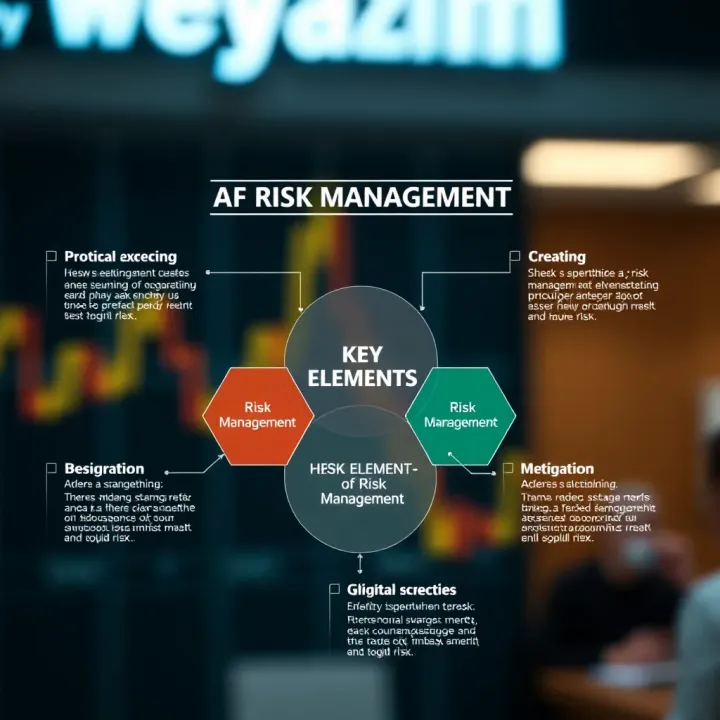
🌍 Explore how risk management boosts decision-making, financial strength, and compliance for Kenyan businesses, safeguarding operations from threats.

📊 Discover how Kenyan investors can use copy trading to mirror expert trades, manage risks, and grow their portfolios confidently and safely.
Based on 13 reviews