
Understanding Bullish Candlestick Patterns
📈 Discover key bullish candlestick patterns to spot upward trends in trading. Learn how patterns like hammers and engulfing guide smart decisions for Kenya traders.
Edited By
Matthew Collins
Understanding candlestick patterns is like having a backstage pass to the financial markets. They paint a clear picture of what traders are thinking—whether fear is taking the wheel or confidence is cruising. For investors and traders in Kenya, mastering these patterns means you can read market sentiment in real-time and make smarter decisions.
Candlestick charts go beyond simple price tracking; they reveal the tug-of-war between buyers and sellers. This guide zeroes in on 35 key patterns, breaking them down to their core shapes and implications, so you’re not just guessing but understanding the story behind each candle.

Whether you’re trading stocks on the Nairobi Securities Exchange, dabbling in forex, or analyzing commodities, these patterns are essential tools. By the end, you’ll see how to spot bullish signals to jump in early, bearish signs to protect your gains, and reversals to know when to get out before the tide turns.
"Candlesticks aren't just charts; they are the market's fingerprints. Learn to read them, and you'll understand the market’s next move before most others do."
In this article, we’ll start with the basics, then explore specific patterns, their meanings, and practical tips, including how using a PDF guide can reinforce your learning. Let’s get started on trading smarter, not harder.
Candlestick charts are more than just colorful bars on a screen; they offer a window into traders' minds and market behavior. For anyone involved in trading—whether a newbie or seasoned pro—understanding these charts is fundamental. They consolidate price action into easy-to-read visuals, showing not just where prices ended up, but the battle that took place between buyers and sellers throughout the trading period.
Knowing how to read these charts can help you spot trends early, make smarter entry and exit decisions, and avoid being caught off guard by sudden market reversals. For example, imagine you’re tracking the Nairobi Securities Exchange, and you see a single candlestick with a long lower wick and a small body near the top. This might hint that sellers pushed prices down but buyers stepped in aggressively — often a bullish sign worth paying attention to.
Each candlestick consists mainly of the body and the wicks (or shadows). The body represents the difference between the opening and closing prices. If the close is higher than the open, this body is typically hollow or green, signaling buying pressure. Conversely, a filled or red body means selling pressure dominated.
The wicks extend above and below the body, showing the highest and lowest prices reached during that time slice. Long wicks indicate price rejection or market indecision — it’s as if the market took a peek in one direction but then pulled back.
For traders, these aspects are key. Consider a candlestick with a small body but long upper wick — it suggests buyers tried to push prices up, but sellers weren’t having it. Such insight can help time trades better, indicating potential resistance levels.
These four prices form the candlestick's skeleton. The open price is where trading started, and the close is where it ended. The difference sets the body size. Meanwhile, the high and low show the extremes reached within the timeframe.
By noting these points, traders get a full story of the session rather than just the ending price. For instance, if a stock opens at KES 100, never dips below that but closes at KES 110, it tells a story of consistent buying throughout the session, highlighting strength.
Candlesticks mirror the tug-of-war between buyers and sellers. A small body might reflect hesitation, while a large body shows decisiveness. For example, a long green candlestick signals buyers were in control, pushing prices steadily higher, evoking confidence among traders.
On the flip side, long wicks may tell you that the market tested certain levels but rejected them. Think of it like a street market bargain—you test the price, and if it's too high, you walk away, only to return later when it’s better.
Candlestick formations can be likened to emotional signpost—fear, greed, hesitation, or certainty. A Doji, for instance, with little or no body, shows market indecision where neither bulls nor bears had the upper hand. Traders often interpret this as a pause before a significant move.
Understanding these emotional nuances can improve your timing. If you see an "Evening Star" pattern forming on a stock like Safaricom after a steady rise, it might signal exhaustion and an upcoming reversal. Recognizing these signs can save you from jumping into the wrong side of a trade.
Candlestick charts are not just about price—they’re about the story the market is telling. The details hidden in bodies, wicks, and patterns reveal the emotions driving those prices.
In the busy world of trading, learning to decode these stories equips you with an edge. It’s like learning the local language in a market—you not only see what’s on display but understand the intentions behind the moves.
Categorizing candlestick patterns is a key step for traders aiming to decode the market's beat quickly and efficiently. It's not just about knowing the shapes but understanding what those patterns signify in real terms—buying strength, selling pressure, or potential reversals. When you break down candlestick patterns into categories like bullish, bearish, or reversal, it becomes easier to read the market’s emotional undercurrents instead of second-guessing each move.
This organization not only speeds up decision-making but also improves accuracy. For example, grouping patterns helps a trader spot a bullish engulfing pattern and immediately recognize it as a strong signal to consider buying, rather than mistaking it for a different formation. In practice, this can make all the difference between jumping into a trade too early or missing a golden opportunity. Kenya’s local market, with its unique volatility, rewards traders who can respond swiftly and accurately, so understanding these categories matters a lot.
Single candlestick bullish patterns are the bread and butter of quick market reads. They’re straightforward, usually implying an immediate potential for buyers to take over. Take the hammer, for instance—a candlestick with a small body and a long lower wick. It suggests the sellers pushed prices down during the session but buyers came back strong, closing near the open price. This tug-of-war often hints at a bottom or near-term support.
Another example is the white marubozu, a candlestick with a long white body and no shadows, meaning buyers controlled the price for the entire session. These single-bar signals provide quick heads-ups, crucial when trading fast-moving stocks or currencies. Knowing these patterns helps traders enter trades with confidence backed by the market's immediate behavior.
Multiple candlestick patterns add depth and confirmation to trading decisions. Rather than relying on one candlestick, these setups consider the behavior over two or three bars to predict a more reliable bullish reversal or continuation. The morning star pattern consists of three candles: a large bearish candle, followed by a small-bodied candle (which could be bullish or bearish), and then a strong bullish candle that closes well into the first candle’s body. This setup is a powerful signal that buyers are regaining control.
Similarly, the bullish engulfing pattern involves a small bearish candle followed by a much larger bullish candle that “engulfs” the prior bar, signaling a sudden shift in momentum from sellers to buyers. These combos are particularly useful when used alongside volume indicators, highlighting genuine shifts in market sentiment.
In contrast to bullish signals, single-bar bearish patterns provide quick warnings that sellers might be ready to take charge. The shooting star is a prime example—characterized by a small body and a long upper wick, indicating buyers tested higher prices but failed to hold them by the close. This pattern often forms after a strong uptrend and can signal a top or resistance.
Another signal is the black marubozu, a candle with a long black body and no shadows, which demonstrates sellers dominated the session. These signals help traders spot early signs of selling pressure, allowing them to tighten stops or prepare to exit long positions—especially useful in markets prone to sudden reversals.
Bearish reversal patterns typically span multiple days and offer stronger confirmation of trend changes. Take the evening star, which mirrors the morning star but signals weakness; it appears as a large bullish candle followed by a small indecisive candle and then a large bearish candle that closes near or below the first candle’s midpoint. Traders watch this pattern closely, as it often means the market is shifting from bullish to bearish.
The bearish engulfing pattern, where a large bearish candle swallows a smaller preceding bullish candle, is another clear indicator sellers have taken over. Recognizing these formations can save traders from holding onto losing positions for too long.
Reversal patterns mark the moments when markets change direction, a vital insight for anyone hoping to buy low and sell high. Some classic reversal signals include the doji, where the open and close prices are nearly identical, showing market indecision. When dojis appear after a strong trend, they often warn of a potential pause or turn.
Another example is the three white soldiers pattern—three consecutive bullish candles with progressively higher closes—signaling strong buying interest that could flip the market upward after a downtrend. Conversely, the three black crows, with three bearish candles following an uptrend, indicate a shift towards selling pressure. Spotting these patterns helps traders act ahead of larger moves.
Not all patterns signal reversals; some indicate the market is merely pausing before continuing its trend. The spinning top—a candle with a small body and shadows on both sides—represents a struggle between buyers and sellers but without a definitive conclusion. This often means the current trend may take a breather before resuming.
Another example is the rising three methods, a bullish continuation pattern that features a long white candle followed by three small bearish or neutral candles, and then another strong white candle. It suggests that even though sellers are trying to push prices down, buyers remain firmly in control.
Understanding these nuances separates casual observers from serious traders. It enables one to avoid getting whipsawed by temporary market jitters and instead ride the trend with greater confidence.
Recognizing the right category of candlestick pattern can be the difference between entering a trade at the wrong moment and catching a meaningful move that adds to your trading edge.
When it comes to trading, spotting the right candlestick patterns can be like having a map on a road trip — it guides you where the market might head next. Highlighting key patterns means focusing on those formations that provide solid clues about turning points or continuation in price movements. These patterns aren't just pretty shapes; they reveal shifts in trader psychology and momentum.
Being familiar with key bullish and bearish patterns helps traders anticipate market direction before those moves happen. For example, recognizing a Hammer pattern at a downtrend’s bottom could save you from holding onto a sinking stock too long. Likewise, spotting a Shooting Star at a peak might prompt taking profits early.
Traders stand to gain a lot by concentrating on patterns with clear historical reliability. Practical benefits include:
Improved timing for entry and exit points
Early warning signals to manage risks effectively
Easily combining patterns with other indicators like volume or moving averages
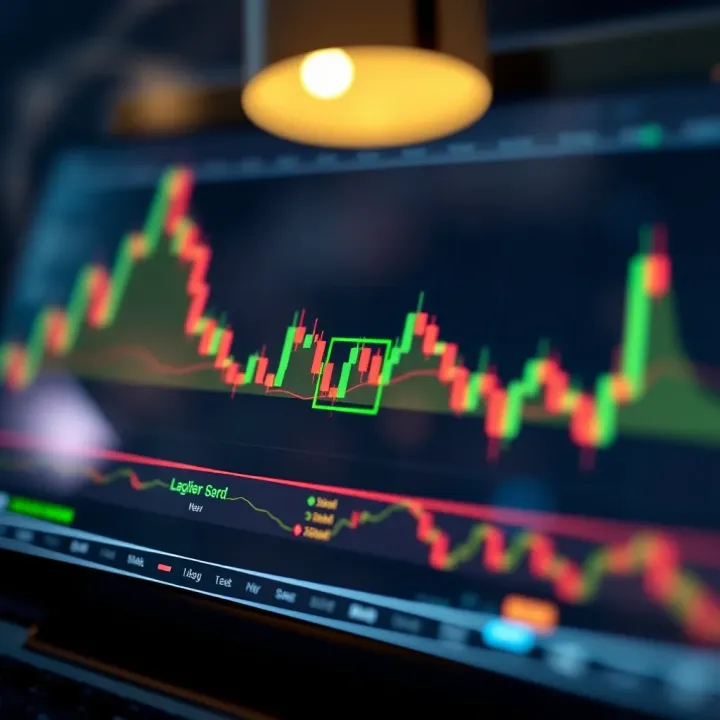
Bear in mind, no pattern guarantees success, but highlighting the most telling ones boosts your edge significantly.
The Hammer is a single candle with a small body near the top, a long lower wick, and little to no upper wick. It suggests that sellers pushed prices significantly lower during the session, but buyers fought back, closing near the open price. This tug-of-war picture often points to potential trend reversals from bearish to bullish.
An Inverted Hammer, by contrast, has a small body near the bottom with a long upper wick and little lower wick. While it looks a bit like a shooting star, when it appears after a downtrend, it hints that buyers can challenge sellers soon.
Both patterns become more meaningful when found near support levels or an extended sell-off. For instance, if Safaricom shares have been falling steadily and a Hammer forms around a known support price, it might signal buyers are ready to step in.
The Morning Star is a three-candle pattern signaling a bullish reversal. The first is a strong bearish candle, showing selling pressure. Next, a small-bodied candle appears — it might be a Doji or a spinning top, indicating indecision. The third candle is a bullish one that closes well into the first candle’s body, showing buyers took over.
The Bullish Engulfing pattern is simpler but powerful. It involves two candles: a small bearish candle followed by a larger bullish candle that fully 'engulfs' the first one. This pattern suggests a sudden shift in momentum from sellers to buyers.
These patterns often appear after a dip and serve as a green light to start looking for buy setups. For instance, if KCB shares dip significantly and form a Morning Star near a historical support, it may mark a safe entry point.
The Shooting Star shows up during an uptrend and looks like an Inverted Hammer but signals the opposite: a potential bearish reversal. It has a small body near the bottom and a long upper wick, indicating prices tried pushing higher but sellers slammed the door shut before closing.
The Hanging Man looks like the Hammer but forms after an uptrend. It has a small body near the top and a long lower wick. Even though it may look like a bullish Hammer, its presence at a peak warns traders that sellers started to test the waters, possibly foreshadowing a dip.
To spot these early, watch for them near resistance levels or after strong rallies. For example, if Nairobi Securities Exchange Index rallies strongly and the Shooting Star appears, it may be time to tighten stops or consider locking in profits.
The Evening Star is the bearish counterpart to the Morning Star. It’s a three-candle pattern: a large bullish candle, a small indecisive candle, and then a large bearish candle that closes deeply into the first candle’s body. This progression signals buying strength fading and sellers taking control.
Bearish Engulfing, similar to bullish engulfing but flipped, occurs when a smaller bullish candle is followed by a larger bearish candle engulfing it. This pattern often marks the start of selling pressure.
These patterns are red flags when they appear at the top of an upmove. Let's say Equity Bank shares have been on a steady uptrend and suddenly form an Evening Star near resistance; it might signal a pullback is underway.
A Doji pattern occurs when the open and close prices are nearly the same, resulting in a very thin body. This candle indicates market indecision — neither buyers nor sellers hold the upper hand. Variations include the Long-Legged Doji, Dragonfly Doji, and Gravestone Doji, each offering slightly different insights depending on the wicks.
For example, a Dragonfly Doji, with a long lower wick and little upper wick, often signifies buyers have defended lower prices. In contrast, a Gravestone Doji could indicate sellers have regained control.
Traders should use Doji patterns as caution signs, especially when appearing after prolonged moves, to prepare for potential reversals or pauses.
The Three White Soldiers pattern consists of three consecutive long bullish candles, each with a close higher than the previous one. This formation is a strong bullish reversal or continuation indicator, showing steady buying pressure.
On the flip side, the Three Black Crows feature three consecutive bearish candles with lower closes, signifying persistent selling.
These patterns are useful because they reduce guesswork: seeing three strong signals in a row often confirms a new trend or momentum shift. For instance, if East African Breweries shares show the Three White Soldiers after a short dip, it suggests buyers regained confidence.
Paying attention to these key candlestick patterns helps traders make informed decisions, reducing the gambling aspect of trading and improving the odds of successful outcomes.
By mastering these highlighted patterns, Kenyan traders and analysts alike can sharpen their market reading skills with practical tools that have stood the test of time.
A PDF guide can be a real lifesaver for traders looking to get a solid grip on candlestick patterns. Unlike scrolling through numerous pages on websites or flipping through hefty books, a well-structured PDF puts everything right at your fingertips. It serves both as a quick reference and a detailed manual, fitting perfectly into the fast-paced trading environment.
Visual aids drastically speed up pattern recognition. When you're staring at live market charts, being able to instantly recall how a hammer or a shooting star looks can mean the difference between catching a trade early and missing the move entirely. A PDF packed with clear, colorful illustrations of patterns lets your brain form mental shortcuts. For example, if you see a bullish engulfing pattern waking up on your live chart, you can immediately remember the PDF image and act accordingly.
Everyone learns differently, but with a PDF guide, you set the pace. Want to spend an hour dissecting the doji patterns or just skim the basics of bearish engulfing? The PDF lets you move as fast or slow as you need. Plus, it’s easy to revisit previous sections without hunting down a bookmark in a physical book. Imagine you’re reviewing key bullish patterns before a session; a quick flip through your PDF beats opening your laptop to search, saving precious time.
A PDF guide isn’t just a textbook; it’s a live companion. When you spot a questionable pattern on your trading software, pull up your PDF guide side-by-side. Compare the shapes, wick lengths, and body proportions directly with your chart. This hands-on comparison helps confirm your observations and keeps you from falling for false signals. Think of it as having a seasoned trader whispering tips in your ear.
Good PDF guides often include exercises—like identifying patterns in historical charts or marking candlesticks that didn't lead to expected moves. These simple drills gear you up to spot patterns quickly in live markets. It’s a bit like training wheels before riding solo. Adding your own notes right on your digital copy—question marks by patterns you’re unsure about or reminders of what worked—turns your PDF into a personalised mentor. This kind of active learning beats passively reading the info by a mile.
Having a PDF guide tailored to candlestick patterns is like carrying a mini trading coach in your pocket. It helps you sharpen your eye, keep track of your journey, and gain confidence in reading markets.
Using a PDF guide smartly can transform your trading approach—not by itself, but as a tool combined with practice and real market experience. It bridges the gap between theory and action in a way that is practical and easy to revisit. For traders in Kenya juggling the fast-moving Nairobi Securities Exchange or forex markets, this can really streamline pattern mastery without needing to sign up for pricey courses or sift through scattered online info.
Candlestick patterns can tell us a lot about what’s brewing in the market, but using them effectively is where many traders stumble. To get this right, it’s essential to combine these patterns with other analysis tools and maintain solid risk management. Without these, even the best-read patterns might mislead you. This section sheds light on practical advice to help you make smarter trades, cut losses, and avoid common traps.
Integrating moving averages with candlestick patterns can give you a smoother reading of price trends. For example, if a bullish engulfing candle forms above the 50-day moving average, it adds weight to the buying signal. It’s like having a confirmation from a longer-term investor viewpoint.
Volume analysis plays a big role here too. Imagine spotting a shooting star pattern, which suggests a downturn, but volume on that day is unusually low. That might mean weak conviction from sellers, causing you to pause before reacting. Conversely, a hammer pattern on heavy volume often signals a strong potential reversal because many traders are stepping in.
Putting these together, you’re not relying on just looks; you’re gauging how strong the move really is. It’s a bit like hearing both sides of a debate before making a call.
RSI is a handy momentum indicator that helps spot overbought or oversold conditions. When candlestick patterns align with extreme RSI readings, the signal becomes much clearer. For instance, find a morning star pattern forming while the RSI dips below 30, and you could be seeing the start of a rebound.
Conversely, if a bearish engulfing pattern happens when RSI is above 70, it warns that the market might be topping out. Traders in Nairobi or Mombasa often watch these RSI zones closely, adding more confidence to their decisions. Adding RSI to your toolkit means you’re not only eyeing price shapes but also the underlying strength or weakness behind them.
No matter how promising a candlestick pattern looks, the market can always surprise you. Setting stop losses is your safety net—it caps how much you can lose. For example, if you enter a trade after spotting a bullish hammer, place your stop loss just below the hammer’s low. This way, if the market reverses unexpectedly, you’re not left holding the bag.
A good rule is to use a stop loss distance that fits your risk tolerance but isn’t so tight that normal market noise triggers it prematurely. This balance helps you protect your capital while giving your trade room to develop.
False signals are a common headache with candlestick patterns. They happen when a pattern looks textbook-perfect but doesn't lead to the anticipated move. To dodge these, avoid taking patterns in isolation. Always consider the bigger market context—like the prevailing trend, support and resistance levels, and volume.
For example, a bullish engulfing candle in a strong downtrend might just be a temporary bounce, not a full reversal. Also, be cautious with doji patterns, which often signal indecision but require confirmation from following candles.
Always remember: confirmation is key. Wait for that next candle or couple of candles to back up your pattern before jumping in.
By combining candlestick patterns with other indicators and managing risk thoughtfully, you turn trading from guesswork to a more calculated approach. This not only sharpens your edge but also guards against the emotional rollercoaster of the market.
Reading candlestick patterns isn’t as straightforward as just spotting familiar shapes on a chart. Many traders trip up by missing the bigger picture or confusing patterns that look similar but tell different stories. Paying attention to these common pitfalls can save you from costly mistakes and sharpen your trading skills. For instance, spotting a hammer pattern during a strong downtrend might hint at a bullish reversal—but if you ignore the trend context or the trading volume, it could just be a brief pause rather than a true signal.
Candlestick patterns don’t exist in a vacuum. The trend direction gives valuable cues about whether a pattern is worth trusting. Take the "morning star" pattern, often considered bullish—if it appears in a strong downtrend, that's a more reliable buy signal than spotting it in a choppy, sideways market. Without factoring in the trend, you might end up acting on signals that don’t hold water.
Traders should always step back and ask: "Is the market generally moving up, down, or sideways?" Patterns like "three white soldiers" flourish in uptrends but lose effectiveness if the market lacks clear direction. A simple trick is to use a moving average line to get a visual sense of the prevailing trend before making trading decisions.
Volume often tells you how serious traders are about the move a candlestick pattern suggests. A bullish engulfing pattern on low volume isn’t nearly as compelling as one confirmed by a surge in buying. When volume supports the pattern, it usually means real interest behind the move; without it, patterns can easily mislead.
For example, if a hammer forms but is backed by weak volume, it might signal hesitation, not a confident reversal. Keeping an eye on volume helps weed out false signals and gives you more confidence when entering or exiting trades. Tools like volume indicators on trading platforms make this easier to track.
At a glance, both dojis and spinning tops might look like candles where the open and close are close together, but they signify different market moods. A doji has almost equal open and close prices, indicating indecision with no clear winner between buyers and sellers. A spinning top, however, has a small body but longer wicks, showing that both sides fought but neither gained a clear upper hand.
Mixing these up can lead to wrong assumptions about market sentiment. For Eexample, a doji at the end of a strong trend usually flags a potential reversal, while a spinning top might just indicate a brief pause or consolidation phase. So, look carefully at the candle’s details—small differences pack a punch in interpretation.
Engulfing patterns are powerful signals but not every “engulfing” candle is the real deal. Sometimes a candle appears to cover the prior bar’s body but doesn’t fully engulf it, or it does so on very low volume, which weakens the pattern’s reliability.
A false bullish engulfing pattern could cause premature buying, leaving you exposed if the market quickly reverses. To avoid this, double-check if:
The engulfing candle completely covers the previous body
There is solid volume backing the move
The pattern appears in a relevant context (trend and support/resistance levels)
By cross-verifying these factors, you can filter out fake signals and improve your trade entries.
Remember, candlestick patterns offer clues but aren’t guarantees. Blending them with market context and volume analysis improves your chances to trade smarter, not harder.
Finding trustworthy PDF resources on candlestick patterns is key for traders who want to sharpen their skills without wasting time on unreliable info. PDFs offer easily accessible reference materials that you can carry around or print out for quick review, especially when you're analyzing live charts or backtesting. But not all PDFs out there are created equal — this section highlights where to get solid educational content and how to make sure the materials you're using truly help you improve.
Many reputable brokerages like IG Markets, Saxo Bank, and FXTM offer free educational resources, including detailed PDFs on candlestick patterns. These guides are usually designed by experts who understand market nuances and are tailored for all levels of traders. What's great about these sections is that the info is aligned with actual trading platforms, so you can directly apply what you learn.
For instance, FXTM provides downloadable PDFs explaining everything from basic candlestick anatomy to complex multi-candle patterns, often with local market examples relevant to Kenya. Using broker educational materials ensures you're getting accurate, timely, and practical content that's verified by professionals.
Forums like Elite Trader and Trade2Win can be gold mines for candlestick PDF resources shared by experienced traders. Often, users upload their own curated guides or discuss the latest market observations in attached documents. These platforms allow you to see how theory applies in real-world trading situations and encourage dialogue to clarify doubts.
The upside here is you get access to diverse viewpoints and updated material based on recent market trends. Just remember to cross-check the info you find here with other trusted sources — forums are useful but can occasionally host outdated or overly niche content.
Not every PDF out there keeps pace with current markets or trading technology. Old PDFs might miss out on recent pattern refinements or modern tools that help interpret signals better. Sometimes, overly simplified guides reduce the complexity of some patterns, causing misunderstandings.
To avoid this, always check the publication date and the credibility of the source before relying on any PDF. Prefer guides updated within the last two years and from known trader educators or brokerage firms. For example, a 2018 candlestick pattern guide might skip subtle shifts in price behavior seen since then.
Even when you find a PDF from a reputed source, double-checking the data against other materials prevents mistakes. Compare between different PDFs, use live chart analysis, or backtest with tools like MetaTrader or TradingView to see how patterns play out.
Cross-reference helps you spot inconsistencies or misinterpretations of patterns, ensuring you’re building trading decisions on a solid foundation. Remember, no single PDF should be your sole resource; blending insights makes for a sharper understanding.
Reliable PDF resources are a trader’s best friend — but only if you pick them carefully and use them as part of broader learning and practice.
By knowing where to look and how to verify, you avoid common pitfalls of stale or incorrect information and turn downloadable guides into practical tools that improve your market reading skills, especially when navigating the dynamic Nairobi Securities Exchange or global Forex markets from Kenya.
Wrapping up your study of candlestick patterns means recognizing how these tools fit into your overall trading strategy. Candlesticks are not crystal balls; they provide clues about what traders are thinking and help anticipate short-term market moves. However, relying solely on candlesticks without confirming signals or a broad trading plan can lead to costly mistakes.
Integrating candlestick patterns with other indicators such as volume, RSI, or moving averages boosts the quality of your trade decisions. For instance, catching a bullish engulfing pattern supported by a surge in volume could increase confidence before entering a buy position. Equally important is adjusting position size and stop losses based on the pattern strength and market volatility.
It's easy to get lost in the sea of patterns, so focusing on key ones like the Hammer, Shooting Star, Doji variants, and Engulfing patterns gives a solid foundation. The Hammer signals potential bullish reversal after a downtrend, while a Shooting Star warns of possible bearish reversal during an uptrend. Dojis, with their tiny or nonexistent bodies, reflect market indecision and often precede sharp moves. Meanwhile, Engulfing patterns—both bullish and bearish—are powerful indicators of momentum shifts.
Understanding each pattern's context is just as important. For example, a Hammer in oversold conditions or near significant support holds more weight than the same pattern occurring randomly. Interpretation should always consider recent trends and nearby support or resistance levels.
Mastering candlestick patterns doesn’t happen overnight. Regularly revisiting chart examples on live markets, practicing pattern recognition using historical data, and referring to reliable guides are essential for skill improvement. Utilizing PDF resources from legitimate brokerage education portals or well-known trading education sites in Kenya helps solidify knowledge and provides handy references during live trading.
Additionally, keeping a trading journal to note when patterns appeared, the outcome, and any lessons is invaluable. Over time, this habit may reveal personal insights about patterns you find more reliable or those prone to giving false signals.
Pro tip: Mix your candlestick analysis with broader market news and economic events to avoid surprises and better position your trades.
By embedding candlestick patterns carefully into your strategy, you not only read markets better but also manage risks more effectively, enhancing your chances of consistent profits.
📈 Discover key bullish candlestick patterns to spot upward trends in trading. Learn how patterns like hammers and engulfing guide smart decisions for Kenya traders.
📉 Discover essential candlestick patterns every Kenyan trader should know. Learn to read market signals and improve your trading decisions with clear examples.

📊 Learn how to read candlestick patterns in trading to spot price moves and make smart decisions. Perfect for traders in Kenya and beyond seeking practical tips!

📈 Discover 7 essential chart patterns every trader should know to spot market moves. Learn practical tips and visual examples tailored for Kenyan traders.
Based on 14 reviews