

Top Forex Trading Books for Kenyan Traders
📚 Master forex trading in Kenya with top books on technical analysis, risk management, and trading psychology to boost your skills and confidence.
Edited By
Ethan Carter
Forex trading offers Kenyans a practical avenue to increase income, but it’s not a get-rich-quick scheme. Understanding how to navigate the forex market, especially within Kenya’s unique trading environment, is essential before committing your money.
Forex, or foreign exchange, involves buying and selling currency pairs like USD/KES or EUR/USD to profit from fluctuations in exchange rates. Kenya’s growing internet access and mobile money platforms like M-Pesa have made forex trading more accessible than ever, but this convenience comes with challenges.
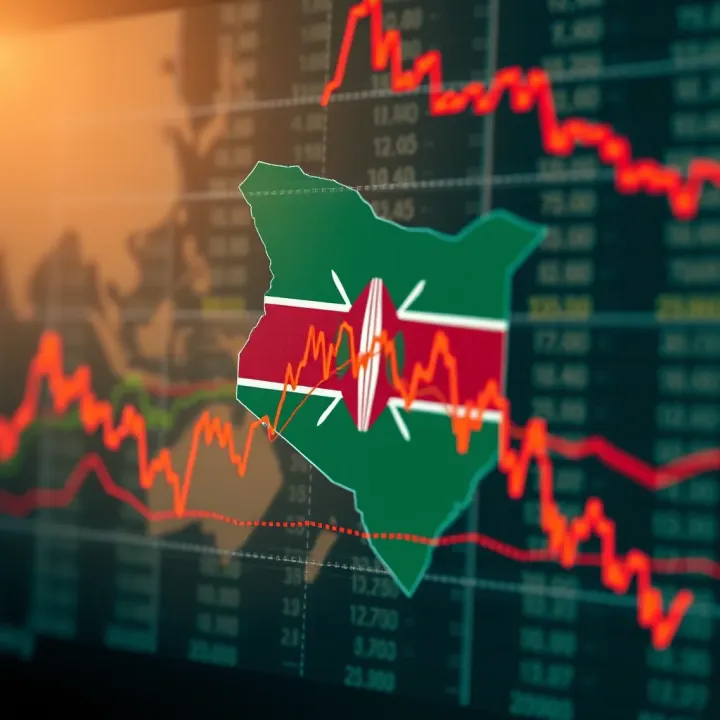
For Kenyans, success starts with choosing a regulated and reputable online broker. The Capital Markets Authority (CMA) in Kenya supervises forex brokers to protect investors from fraud. Trading with a broker authorised by CMA means you're dealing with a business that meets certain standards and has proper safeguards.
Trading with unregulated brokers is risky — you might lose your investment or struggle to withdraw funds.
Once you select a regulated broker, it’s wise to start small. Use demo accounts they provide to practise without risking real money. Demo trading helps you familiarise yourself with platforms like MetaTrader 4 or 5, learn to place orders, and test strategies.
Risk management is critical too. Setting stop-loss orders limits losses if the market moves against you. Kenyan traders often face volatile local currency movement due to economic events, so tracking news on inflation, Central Bank policies, or political developments is valuable.
Here’s what to focus on initially:
Learn market basics: Understand currency pairs, how price changes happen, and key trading terms.
Pick the right platform: Ensure it offers easy deposits, preferably through M-Pesa or bank transfer, and has good customer support.
Manage your risk: Use stop-losses and avoid risking more than 1-2% of your capital per trade.
Start with demo trading: Test your skills without financial exposure.
Overall, forex trading in Kenya requires patience, study, and discipline. By working with licensed brokers and gradually building your knowledge and skills, you can position yourself well to make real profits over time.
Getting a handle on forex trading basics is key to making money in Kenya's forex market. Without understanding how this market operates, even the smartest moves might miss the point. Forex trading involves buying and selling currencies, which fluctuate in value against one another. This fluctuation is what opens a chance for profit but also risk.
Forex trading, or foreign exchange trading, means swapping one currency for another at a set rate. Globally, it's the largest financial market, with over $6 trillion traded daily. Though no central location exists, trades happen electronically across different time zones, from Nairobi to London to New York. This market never sleeps, which suits Kenyan traders who can operate beyond local banking hours.
Most forex trading focuses on major currency pairs like the US Dollar against the Euro (USD/EUR), British Pound (GBP/USD), and Japanese Yen (USD/JPY). These pairs are the most liquid, offering tighter spreads and lower trading costs. In practice, if you think the US Dollar will strengthen against the Kenyan Shilling (KES), you might buy USD/KES. Selling happens if you expect the Dollar to weaken. Profits or losses come from the difference between buying and selling rates.
Forex income arises from changes in currency values. If a trader buys dollars when the rate is low and sells after the rate rises, the difference becomes their profit. For example, buying USD/KES at 110 and selling at 112 generates a profit of KSh 2 per dollar. However, rates move fast and unpredictably, so timing and market knowledge matter. Kenyan traders watch not just forex charts but also news like US Federal Reserve decisions or Kenyan inflation figures, which influence currency movements.
Successful trading depends on capturing these currency swings while controlling risks.
Leverage lets traders control larger positions with a smaller amount of money, using borrowed capital from brokers. For instance, with 1:100 leverage, a trader putting KS,000 can control KS00,000 worth of currency. This means potential profits increase, but so do losses. Margin is the amount the trader must keep in the account to open and maintain leveraged trades. In Kenya, brokers often offer leverage up to 1:100, but traders should use it carefully to avoid wiping out their accounts quickly, especially if the market moves against their position.
In forex, understanding this balance between profit potential and risk exposure is essential. Leverage is a double-edged sword—use it wisely to amplify gains without falling into large losses.
Mastering these forex basics sets a strong foundation for Kenyan traders aiming to make money consistently and navigate this fast-moving market with confidence.
Starting your forex trading journey in Kenya calls for careful steps that set your foundation right. This section guides you through the key initial stages, from choosing a broker to using trading platforms, ensuring you avoid common pitfalls and work with tools suited to your needs.
When picking a broker, you’ll face two main choices: local or international. Local brokers operate within Kenya’s financial regulations and often offer services tailored to Kenyan traders, such as Swahili language support or direct funding via M-Pesa. International brokers might provide a wider selection of currency pairs and advanced trading tools, but can pose challenges, like longer response times or complex withdrawal procedures. For example, a local broker with a good reputation might help you navigate the local market better, while an international one might suit more experienced traders who need access to global currency pairs.
Regulatory oversight plays a critical role in broker selection. Brokers licensed by the Capital Markets Authority (CMA) in Kenya must adhere to strict rules designed to protect clients’ funds and ensure fair trading practices. Trading with a CMA-licensed broker reduces your exposure to scams, as these firms undergo regular audits and compliance checks. Always verify the broker’s licence status before investing, as unregulated operators often disappear with traders’ money, leading to heavy losses.
Choosing the correct account type matters because different accounts offer varied features suited to trading levels and capital. Many brokers provide demo accounts where you can practise without risking real money—valuable for beginners. Live accounts differ: some might have lower minimum deposit requirements suitable for small-scale Kenyan traders, while others offer VIP accounts with better spreads for high-volume trading. Consider your budget and trading goals when selecting.
Funding your account in Kenya has become convenient with mobile money options. M-Pesa is widely accepted and allows instant deposits and withdrawals, which is critical for traders needing quick access to funds. Traditional bank transfers are also available but typically take longer to process. Some brokers accept credit or debit cards too. For instance, a trader funding via M-Pesa can respond to market changes faster, making timely trades more feasible.
MetaTrader 4 and MetaTrader 5 remain the most popular trading platforms globally, and Kenyan traders benefit from their user-friendly interfaces and robust functionalities. These platforms provide real-time charts, technical indicators, and automated trading options through Expert Advisors (EAs), allowing traders to back-test strategies or automate trades.
Mobile trading has gained traction in Kenya due to widespread smartphone use. Apps like MetaTrader mobile and broker-specific platforms enable traders to monitor markets and execute trades while on the move—key for those who might otherwise be stuck in long matatu rides. Accessibility improves decision-making speed, essential in the fast-changing forex market.
Selecting the right broker and platform, combined with seamless funding options like M-Pesa, significantly influences your forex trading success in Kenya.
By getting these basics right, you build a strong base to develop profitable trading strategies ahead.
Success in forex trading doesn't just happen by chance; it's grounded in solid strategies. Developing and applying the right tactics can significantly improve your chances of making real profits. Understanding technical and fundamental analysis, along with managing your risk carefully, positions you to navigate currency markets more confidently — especially in the fast-changing economic climate of Kenya and beyond.
Using charts and indicators is fundamental to spotting opportunities in forex trading. Charts visualise currency price movements over time, and indicators like moving averages or the Relative Strength Index (RSI) help traders read market momentum or spot possible reversals. For instance, spotting a sharp divergence on RSI could warn of an upcoming dip or surge, useful information when trading pairs like USD/KES.
Identifying trends and patterns involves recognising recurring movements or formations in forex charts, such as head and shoulders or double tops. These patterns often signal the direction in which a currency might move next. Spotting an uptrend early in EUR/USD, for example, allows you to enter long positions before prices surge, potentially locking profits.
Economic events heavily influence exchange rates. News like interest rate changes, inflation reports, or political developments directly impact a currency's strength. For Kenyan traders, tracking the Central Bank of Kenya’s monetary policy announcements or unexpected election outcomes can offer clues on short-term volatility or longer-term trends.
When focusing on Kenya’s economic indicators, watch out for inflation rates, GDP growth, and foreign exchange reserves. These indicators provide insights into the shilling’s stability. For example, a rise in inflation may weaken the shilling against the dollar, providing potential trade setups. Additionally, Kenya’s trade balance and remittance inflows are key factors to monitor for currency strength.
Setting stop-loss and take-profit levels is essential to protect your capital. A stop-loss automatically closes a trade if losses hit a certain point, preventing deeper drain on your account. Conversely, take-profit locks gains once a target price is reached. For example, if trading USD/KES at 110 and you expect a rise to 112, placing a take-profit at 112 and a stop-loss at 109.5 helps manage risk and rewards clearly.
Managing leverage responsibly is critical in forex because while leverage can amplify profits, it can also increase losses fast. Kenyan traders should stick to reasonable leverage levels — say 1:10 or 1:20 — especially in volatile markets. Excess leverage might wipe out your trading account within moments if the market moves against you. Always assess how much you can afford to lose before setting your leverage.
Good strategies are not only about picking winners but also about protecting yourself when markets go south. Balancing analysis with disciplined risk management is the key to consistent forex trading profits.
By mastering these strategies, Kenyan traders can navigate forex markets with better clarity and confidence, improving their chances of earning steady income from currency trading.
Navigating the forex market can be rewarding, but it's not without hurdles, especially for Kenyan traders. Understanding common challenges ensures you steer clear of costly mistakes and stay on track towards profitable trading. The forex space is riddled with pitfalls like scams, emotional traps, and misinformation, so recognising these early helps safeguard both your capital and peace of mind.
Recognising red flags is essential if you want to avoid losing money to dishonest brokers. Some common warning signs include promises of guaranteed profits, unsolicited calls or messages pushing you to invest quickly, and websites that lack clear contact details or regulatory licences. For instance, if a broker pressures you to deposit large sums fast or offers unrealistic bonuses to lure you in, it's a clear signal to pause and investigate further. Many Kenyan traders have fallen for such tactics, ending up with frozen accounts or vanished funds.
Verifying broker credibility goes beyond just checking a website's claims. Before committing, confirm the broker is licensed by Kenya’s Capital Markets Authority (CMA) or reputable international bodies such as the Financial Conduct Authority (FCA) of the UK. You can ask for proof of licensing certificates and read reviews from verified sources. Also, test how responsive their customer service is. A credible broker will be transparent about their fees, withdrawal policies, and risk factors. For Kenyan traders, working with well-known brokers like FXPesa or local branches of global firms often means safer transactions backed by CMA oversight.
Overtrading and revenge trading can drain your account faster than any scam. Overtrading happens when you enter too many trades in a short period, often trying to recover losses quickly. For example, after a losing trade, some traders might impulsively increase their position size or trade without clear analysis, hoping to make back lost funds. This behaviour often leads to bigger losses rather than gains. Keeping a trade journal and setting daily trade limits can reduce this risk.
Maintaining discipline is the cornerstone of long-term forex success. Emotional control helps you stick to your trading plan even when the market moves against you. For instance, if you decide beforehand to cut losses at a 2% account drawdown, you must honour that rule instead of hoping for a rebound. Using automated stop-loss orders can help here. Also, taking regular breaks away from the screen prevents burnout and hasty decisions. Remember, forex is a marathon, not a sprint.
Handling the mental and regulatory challenges of forex trading protects your investments and builds a stronger foundation for steady profits. Approach the market with caution and discipline to avoid setbacks that many new traders in Kenya face.
Understanding the regulatory setting in Kenya is vital for anyone involved in forex trading. Regulations provide a safety net, ensuring that brokers operate fairly and transparently while protecting traders from fraudulent activities. This creates a more trustworthy environment where you can confidently place trades without fearing scams or illegal operations.
The Capital Markets Authority (CMA) oversees forex trading by regulating brokers operating within Kenya. Brokers need a CMA licence to offer services legally, which tells you they meet minimum standards for financial stability, transparency, and fair dealing.
Local traders should verify that their chosen broker is licensed by CMA before committing funds. For example, a CMA-regulated broker must keep client funds in separate accounts, preventing misuse. This regulation reduces the risk of losing your investment due to broker insolvency or dishonest behaviour.
Besides licensing, the CMA imposes specific rules on how forex brokers conduct their business. These include regular audits, minimum capital requirements, and strict disclosure obligations. Traders benefit because these controls create an environment where brokers are less likely to engage in unethical practices.
The CMA also acts swiftly to investigate complaints and has the authority to penalise or shut down firms violating regulations. This means that if you encounter unfair treatment, the CMA provides a formal channel to seek resolution.
When it comes to income tax, profits from forex trading in Kenya are considered taxable income. You must declare gains when filing your returns with the Kenya Revenue Authority (KRA). Keep clear records of all trades and transactions, including deposits, withdrawals, and profits, to avoid trouble during audits.
Traders operating as sole proprietors or businesses should also be aware that forex income may affect their overall tax bracket. For instance, consistently high profits could push you to pay higher rates, so tax planning becomes important.
On the other hand, statutory obligations like contributions to the National Social Security Fund (NSSF) and National Hospital Insurance Fund (NHIF) depend largely on your employment status. If forex trading is your primary business, registering and contributing to these schemes helps secure your social security and healthcare benefits.
Workers engaged in forex trading within companies might have their contributions automatically deducted, but freelancers and individual traders must manage these themselves. Staying compliant avoids penalties and ensures you benefit from Kenya’s social safety nets.
Trading forex without recognising Kenya’s regulatory and tax laws can put your earnings at risk. Always verify broker licences and maintain thorough records for tax purposes.
📚 Master forex trading in Kenya with top books on technical analysis, risk management, and trading psychology to boost your skills and confidence.
📱 Thinking of forex trading in Kenya? Discover top apps, learn features, security tips, and find the best fit for safe, smooth trading journeys today!

Explore top forex trading companies in Kenya 🇰🇪, learn how the market works, choose the right broker, and get tips for safe, smart trading 💹.
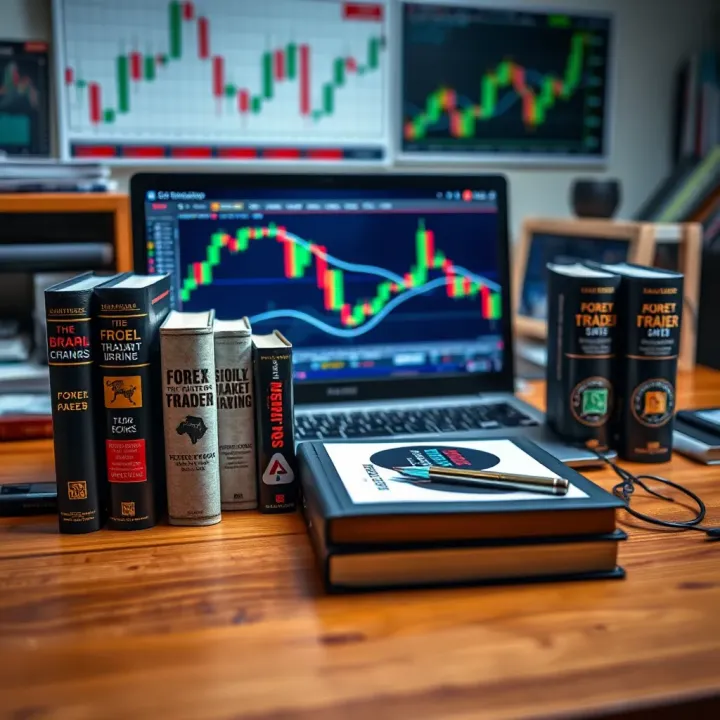
📚 Discover essential forex trading books covering basics, strategies, market analysis & risk management. Perfect for beginners and pros to improve skills!
Based on 14 reviews