

Top Forex Trading Books for Kenyan Traders
📚 Master forex trading in Kenya with top books on technical analysis, risk management, and trading psychology to boost your skills and confidence.
Edited By
Sophia Bennett
Forex trading, or foreign exchange trading, involves buying and selling currencies to make a profit. In Kenya, it has grown in popularity, especially among individuals seeking alternative investment channels beyond traditional stocks or real estate. Understanding how forex works locally can help you navigate the market with more confidence.
At its core, forex trading means exchanging one currency for another, such as swapping US dollars (USD) for Kenyan shillings (KSh), hoping the price will move in your favour. Currency pairs are quoted relative to each other, for example, USD/KES. When you expect the shilling to strengthen against the dollar, you might sell USD/KES. Conversely, if you think the shilling will weaken, you buy USD/KES.
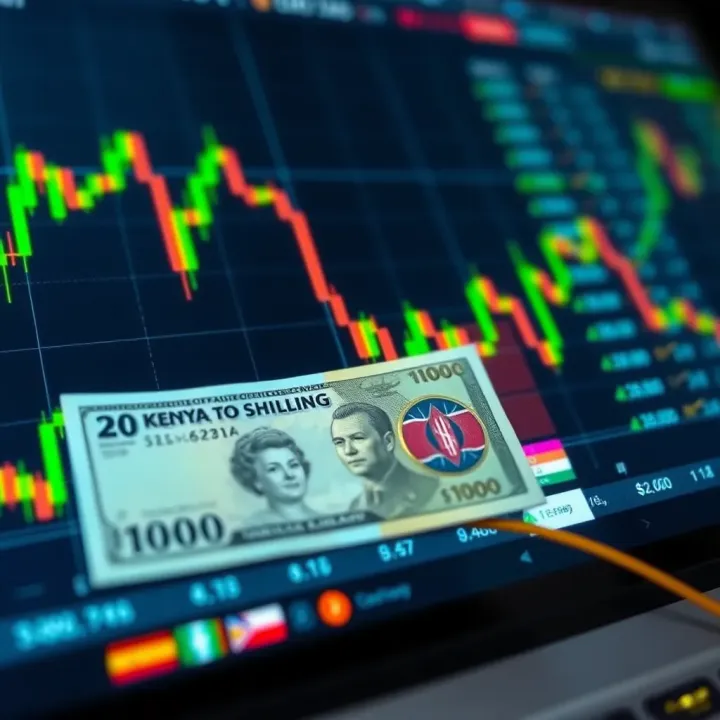
Kenyan traders usually use online platforms to participate. Popular services like MetaTrader 4 and 5 or proprietary platforms from brokers approved by the Capital Markets Authority (CMA) Kenya are common. These platforms offer charting tools, news feeds, and order execution features essential for effective trading.
Note: Forex trading in Kenya is regulated by the CMA, which oversees the licensing of brokers and enforcement of trading rules. Only engage with brokers authorised by CMA to safeguard your funds and avoid scams.
Practical steps for starting include:
Registering with a CMA-licensed broker
Depositing funds via M-Pesa, bank transfer, or card payments
Learning to read currency charts and understanding factors that influence price changes, such as economic reports or geopolitical events
Practising with demo accounts before risking real money
Besides opportunities, forex trading carries risks like high volatility, leverage-related losses, and market manipulation by unscrupulous players. Many Kenyan traders combine risk management tools such as stop-loss orders and position sizing to protect their capital.
In summary, forex trading in Kenya operates through regulated brokers using international currency pairs quoted against the shilling. A good grasp of market mechanics, coupled with choosing the right platform and broker, sets the foundation for success. This article will explore these aspects in detail, helping you trade smarter in Kenya's forex market.
Understanding the basics of forex trading is essential for anyone looking to participate in Kenya's growing currency market. It helps traders grasp how currency prices move and what affects these changes. For instance, knowing which currencies are involved and why they fluctuate can make a big difference when deciding which trades to make.
Forex trading refers to the buying and selling of currencies in pairs. Unlike equities, forex deals with the exchange rate between two currencies, such as the US dollar (USD) and the Kenyan shilling (KES). This market allows participants to speculate on the value difference between currencies, aiming to make profits from small price movements.
For example, a trader in Nairobi might buy EUR/USD if they believe the Euro will strengthen against the dollar, hoping to sell it later at a higher rate. This form of trading is highly liquid, making it easier to enter and exit positions without much delay.
Major currency pairs traded usually include those involving the US dollar, euro, British pound, Japanese yen, and Swiss franc. In Kenya, the USD/KES pair is very popular due to the frequent flows of goods and services between these currencies. Familiarity with major pairs helps traders focus on markets with tighter spreads and more reliable price movements.
Currency values fluctuate due to supply and demand changes driven by economic data, political events, and central bank policies. For example, if the US Federal Reserve raises interest rates, the USD tends to strengthen, affecting pairs like USD/KES. Traders watch these developments closely to anticipate price changes.
The forex market is a global, decentralised network. It doesn’t have a single central exchange like the Nairobi Securities Exchange (NSE). Instead, trading occurs electronically over-the-counter (OTC) through a network of banks, brokers, and dealers. This structure allows forex markets to operate 24 hours a day on weekdays, linking global financial centres.
Kenyan traders can access these markets at almost any time, thanks to overlapping trading sessions such as London, New York, and Tokyo. Understanding trading hours helps traders plan their activities around periods of higher liquidity and volatility, often when price swings are most pronounced.
Brokers and liquidity providers play a key role in forex trading. Brokers offer platforms where Kenyan traders can buy and sell currencies. Liquidity providers, often banks or financial institutions, supply the currency and keep the market active. For example, a broker connected to several liquidity providers can offer better spreads and faster execution, which benefits the trader by reducing costs and slippage.
To succeed in forex trading, it’s vital to understand these basics — from market structure to currency movements — so you can make informed trades aligned with real market conditions.
Understanding the regulatory framework surrounding forex trading in Kenya is vital for anyone looking to invest or trade currencies in the local market. The legal environment provides guidelines that protect traders, ensure broker accountability, and maintain market fairness. For Kenyan traders, awareness of these rules helps avoid scams and legal troubles while fostering more secure investment conditions.
The Capital Markets Authority (CMA) is Kenya’s main regulator for forex trading activities. It ensures that all forex brokers operating in Kenya comply with set standards of transparency, fairness, and financial stability. For instance, any broker offering their services within Kenya must hold a valid licence from the CMA or a recognised foreign regulator. This oversight helps protect investors from fraudulent practices and ensures market integrity.
Moreover, the CMA regularly updates trading guidelines and requires brokers to maintain client funds in segregated accounts. This means traders’ money is kept separate from brokers’ operational funds, reducing the risk of loss in case of broker insolvency.
The Kenya Revenue Authority (KRA) mandates that profits earned from forex trading are subject to taxation. Traders should declare their income from forex gains as part of their taxable earnings. For example, if you profit KS00,000 from forex trading in a financial year, this amount forms part of your income tax calculation.
Understanding these tax obligations is practical because it prevents unexpected penalties or fines. Keeping clear records of all trades, deposits, and withdrawals aids accurate tax reporting. Use of platforms like iTax makes it straightforward for individual traders to declare earnings, ensuring they comply with Kenyan tax laws.
Kenyan laws require forex brokers to obtain proper licences before offering services locally. This is a key consumer protection because licensed brokers must meet strict minimum capital requirements and ethical standards. In practice, this reduces the chance of funds being misused or withheld.
Additionally, the CMA provides investors with avenues to report misconduct or disputes with brokers. This formal process allows traders to seek redress if they suspect malpractice, adding a layer of confidence when dealing with reputable firms.
Verifying a broker's legitimacy involves checking their registration status with the CMA or other accepted regulators. The CMA website publishes an updated list of authorised forex brokers, making it easy for Kenyan traders to confirm if a broker is properly licensed.
Beyond formal licences, reviewing trader feedback and independent reviews can help confirm a broker’s trustworthiness. Avoid relying solely on flashy websites or promises of guaranteed profits.
Beware of brokers who pressure you to deposit large sums quickly or use high leverage without clear risk explanation. Unrealistic return promises and lack of transparency about company origins are typical red flags.
Scam brokers often provide no clear contacts or physical office addresses. Watch out for unsolicited calls or messages pushing urgent offers, as these are often attempts to trap unsuspecting traders.
Trading with regulated brokers safeguards your investment since these firms follow legal and ethical standards. They typically offer better client fund protection, fair trading conditions, and transparent processes.
In contrast, unregulated brokers operate without oversight, exposing traders to higher risks like fund misappropriation or abrupt platform shutdowns. Kenyan traders should prioritise regulated brokers to secure their trading activities and peace of mind.
Choosing a licensed and regulated broker is the first step towards a safer forex trading experience in Kenya, helping you avoid scams and operate within the country's legal framework.
Getting started with forex trading in Kenya calls for practical steps like setting up a trading account, funding it conveniently, and knowing how to navigate trading platforms. This section breaks down these essentials, enabling you to trade confidently and securely within the local context.
Choosing a suitable broker is the first critical move. Kenyan traders often look for brokers regulated by the Capital Markets Authority (CMA) to ensure safety and transparency. For instance, local brokers like Capital Markets Brokers Kenya and some international ones with CMA licenses provide a blend of trustworthy service and accessible platforms. Checking brokers’ reviews and comparing spreads, fees, and customer service quality helps avoid pitfalls common in the forex market.
Account types and minimum deposits vary between brokers. Many aim to accommodate Kenyan traders with options like standard, mini, and micro accounts. For example, some brokers set minimum deposits as low as KSh 5,000, allowing beginners to start small with real money. It's wise to understand what each account offers—higher-tier accounts might have better spreads or leverage but also require more capital.
Verification and documentation required are crucial steps to comply with regulations and protect your investment. Typically, you'll need to submit identification like a Kenyan ID or passport, proof of residence (a utility bill or bank statement), and sometimes a photo for verification. These steps not only meet the broker's compliance standards but also prevent identity fraud.
Common payment methods such as M-Pesa and bank transfers dominate in Kenya. Using M-Pesa offers quick, safe deposits directly from your mobile phone, popular in trading communities for convenience. Most brokers also accept direct bank transfers from major banks like KCB, Equity, or Co-operative Bank, though these might take longer to process.
Currency conversion considerations arise when funding accounts in foreign currency. Since forex brokers usually trade in USD or EUR, Kenyans deposit funds in KSh first. Being aware of the current USD/KSh exchange rate helps you decide the best time to fund accounts to avoid losing value during conversion. Some brokers offer multi-currency accounts to ease this challenge.
Withdrawal procedures matter just as much as deposits. A smooth process means you can cash out profits without hassle. Generally, withdrawals follow the inverse of deposit methods—M-Pesa or bank transfers. Be mindful of any withdrawal fees, processing times (often 24-72 hours), and minimum withdrawal limits.
Popular platforms in Kenya (MetaTrader 4, MetaTrader 5, web-based apps) dominate the market. MetaTrader 4 (MT4) remains widely used for its simplicity, while MetaTrader 5 (MT5) offers more advanced charts and additional currencies. Brokers usually provide both, sometimes also offering web-based platforms that don't require downloads, handy for those with limited device storage.
Basic platform features and tools include real-time charts, order types (market, limit, stop orders), and technical indicators like moving averages and RSI (Relative Strength Index). These tools help traders analyse market trends and make informed decisions.
Mobile trading options have gained traction in Kenya due to the widespread use of smartphones. Both MT4 and MT5 have mobile apps compatible with Android and iOS, allowing traders to monitor positions and execute trades on-the-go—ideal for Nairobi residents who might be stuck in traffic but still want to stay updated.
Opening a trading account and mastering platform tools takes time, but the availability of local payment methods and user-friendly apps makes forex trading in Kenya more accessible than ever.
This practical process equips Kenyan traders with what they need to step into the forex market confidently, minimise unnecessary risks, and make their first moves wisely.
Understanding the risks and challenges in forex trading is essential for Kenyan traders. It helps in making informed decisions and protecting your investments. Many traders enter the market without fully grasping these factors, leading to heavy losses or falling victim to scams.
Impact of global events on currency prices: Currency prices in forex respond quickly to global happenings. For example, when the US Federal Reserve adjusts its interest rates, currencies like the US dollar, the Euro, and the Kenyan shilling (KES) often react sharply. Similarly, events like political elections in the US or trade tensions between China and the US can cause significant swings. For a Kenyan trader, this means your trades might be affected not just by local economic news but also by international developments far from home.
Leverage risks and margin calls: Leverage allows traders to control larger positions with a small deposit. While this can magnify profits, it also amplifies losses. Say you trade with leverage of 1:100; a 1% move against you can wipe out your invested capital fast. Margin calls occur when your account balance falls below the broker’s required limit, forcing you to add more funds or close positions. Many new traders in Kenya get caught off-guard by margin calls, leading to sudden, unexpected losses.
Sudden price fluctuations: Forex markets can be highly volatile, with prices shifting within seconds. These sudden moves might result from unexpected news like a change in government policy, natural disasters, or rumours circulating in the market. Such rapid fluctuations can trigger stop-loss orders prematurely or leave orders unfilled, increasing trading risks. Kenyan traders should be prepared for this kind of price action and avoid overexposing their positions.
Common scam tactics targeting Kenyan traders: Forex scams in Kenya often promise guaranteed returns with little risk. Fraudsters use fake websites or impersonate licensed brokers to attract money. Sometimes, they offer bonuses or advise using automated trading robots that rarely deliver on their promises. These tricks prey on the eagerness of those new to forex.
How to identify suspicious offers: Be wary of brokers who are not registered with the Capital Markets Authority (CMA) or those who pressure you to invest quickly. Promises of very high and fast returns with no risk are red flags. Also, pay attention if a broker refuses to provide clear contact details or insists on using only unsecured payment methods.
Reporting fraud to authorities: If you suspect fraudulent activity, report it promptly to the CMA or KRA. The CMA actively investigates forex scams and issues warnings to the public. Reporting scams helps protect others and may improve your chances of recovering lost funds. Keep records of all communication and transactions to assist investigations.
Always remember: careful due diligence and risk management go a long way to protect your money in forex trading. Ignoring risks or falling for scams can quickly drain your funds.
By understanding market risks and staying alert to fraud, Kenyan traders can approach forex trading with more confidence and better chances of success.
Successful forex trading in Kenya requires practical strategies tailored to the local market conditions. Kenyan traders need approaches that take into account regional economic trends, global market influences, and the specific risks involved in currency trading. Having clear strategies helps traders avoid common pitfalls and improves their chances of making consistent profits.
Economic indicators like inflation rates, unemployment figures, and GDP growth give signals about a country's economic health. For example, Kenya's inflation rate rising above the CBK's target range usually puts pressure on the shilling, affecting currency pairs involving KES. Traders who keep tabs on monthly inflation reports from the Kenya National Bureau of Statistics can anticipate shifts in currency demand and price.
Policies from the Central Bank of Kenya (CBK), such as changes in the base interest rate, influence forex markets directly. A hike in policy rate often strengthens the shilling as it attracts foreign capital seeking better returns. Conversely, loosening monetary policy might weaken the currency. Understanding these moves helps traders adjust their positions accordingly, especially around monetary policy announcements.
News events outside Kenya can also sway the forex market. For instance, US Federal Reserve rate decisions or economic reports impact major currencies like USD, which in turn affect the KES/USD pair. Kenyan traders staying updated on global and regional news can react timely, benefiting from volatility triggered by such releases.
Chart reading helps traders spot trends and potential reversal points. Kenyan traders often use candlestick charts to understand price action over time. Recognising patterns like 'head and shoulders' or 'double tops' can signal when to enter or exit trades. This visual approach simplifies decision-making, especially during periods when fundamental data is scarce.
Indicators smooth out price data to reveal trends and momentum. Moving averages help identify the general direction — upward or downward — while the Relative Strength Index (RSI) indicates overbought or oversold conditions. Using these tools together, a trader in Nairobi might avoid chasing a currency pair that is already stretched, reducing the chance of entering at a poor moment.
Managing exits is key to protect capital. Stop-loss orders close trades at a set loss level, preventing larger-than-expected losses. Take-profit orders automatically lock in gains once a target price is hit. Kenyan traders using platforms like MetaTrader 4 should set these orders based on volatility and risk tolerance. This discipline ensures emotions don’t interfere with exits.
Determining the size of each trade depending on account size and risk tolerance is critical. For instance, risking more than 2% of the trading capital per trade can wipe out savings quickly. Responsible position sizing keeps losses manageable and trading sustainable, particularly for small-scale traders in Kenya’s growing forex community.
Overambitious profit goals often lead to frustration and poor decisions. Kenyan traders should set achievable targets aligned with market volatility and their trading style. For example, a daily target of 1-2% on capital might be more practical than aiming for double-digit returns in a week.
Emotions like fear and greed often push traders to make impulsive moves. Keeping a trading journal to record decisions and sticking to a strategy reduces emotional swings. Kenyans trading forex should treat it like a business — patient and consistent rather than chasing quick wins.
Practical strategies based on both fundamental and technical knowledge, combined with solid risk management, increase your chances of becoming a successful forex trader in Kenya. Planning, discipline, and continual learning are your best tools on this journey.
📚 Master forex trading in Kenya with top books on technical analysis, risk management, and trading psychology to boost your skills and confidence.
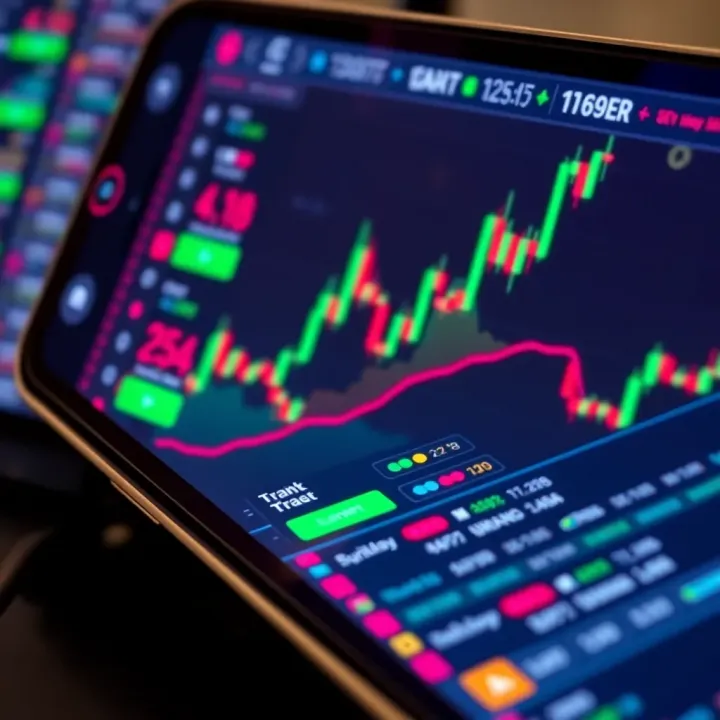
📱 Thinking of forex trading in Kenya? Discover top apps, learn features, security tips, and find the best fit for safe, smooth trading journeys today!

Explore top forex trading companies in Kenya 🇰🇪, learn how the market works, choose the right broker, and get tips for safe, smart trading 💹.
Find the best forex trading platform in Kenya 🇰🇪 with our guide on top options, key features, regulations, and tips to trade safely and efficiently 📈
Based on 7 reviews