

Understanding Binary Gender and Its Social Impact
Explore the impact of binary gender on identity and society 👥. Understand cultural roles, challenges, and expanding views on gender diversity 🌍.
Edited By
Laura Mitchell
The gender binary is a system that classifies gender strictly into two categories: male and female. This classification often assumes clear differences based on biological sex, ignoring the spectrum of identities people actually experience. In Kenya, as in many other societies, this binary has shaped laws, social roles, education, and even workplace expectations.
Historically, most cultures have embraced some form of gender classification, but the rigid male-female split became dominant during colonial times when European powers imposed their norms. This system simplified social organisation but also sidelined people who did not fit neatly into these boxes — including intersex individuals and those expressing gender outside cultural expectations.
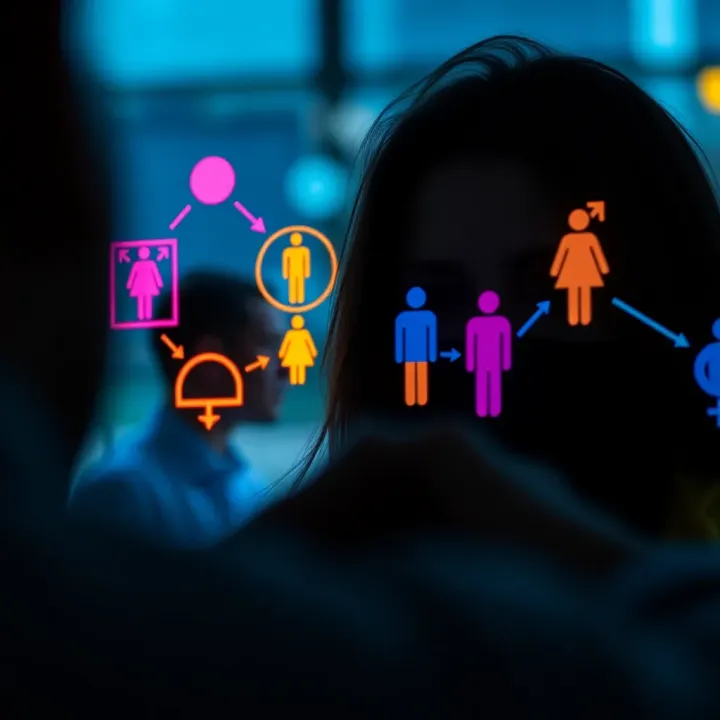
The gender binary's influence stretches beyond identity; it affects livelihoods, access to services, and how people interact daily.
For example, many workplaces in Nairobi expect employees to conform to traditional gender roles, influencing everything from uniforms to promotions. Financial services, too, sometimes assume gender when offering loans or insurance, which can exclude those living beyond the binary. Education systems often reinforce these binaries, affecting subjects offered or career advice, shaping the pipeline for economic participation.
Recognising these limits, more Kenyans are starting to understand and support gender diversity. Non-governmental organisations and advocacy groups are making efforts to include transgender, non-binary, and intersex individuals in conversations around rights and identity. This shift acknowledges that gender is complex and influenced by personal, cultural, and societal factors, not just biology.
The gender binary is a simplified division that overlooks the diversity of human experience.
Colonial history affected the spread and enforcement of the binary in Kenya.
Social, economic, and legal systems often still operate based on binary assumptions.
Emerging awareness about gender diversity aims to create more inclusive spaces in Kenya.
Understanding these dynamics is essential for investors, educators, and policymakers who want to engage with Kenya's evolving social fabric effectively. It influences consumer behaviour, workplace equity, service delivery, and community relations, all of which have economic and social consequences.
By recognising the gender binary's roots and limitations, stakeholders can better support inclusive development and social cohesion across Kenya's communities.
Understanding what the gender binary means helps clarify how society often divides individuals into two exclusive groups: male and female. This division influences many aspects of daily life, including how people relate to each other and how institutions operate. For investors, traders, and educators, recognising this concept is critical because it shapes consumer behaviour, workplace dynamics, and social policies.
The gender binary frames male and female as the only two categories for classifying people’s gender. This binary model assumes a clear division, where one is either male or female, with no overlap. It plays out practically in many settings: from how schools separate boys and girls, to official documents requiring one to select either male or female as gender. This classification can simplify decision-making but often excludes those who do not fit neatly into these categories.
In Kenyan workplaces or educational institutions, for instance, policies may only account for men and women, leaving those who identify outside this binary without recognition or support. For example, a worker who identifies as non-binary might struggle with official records or dress codes designed strictly for males or females.
The gender binary is partly based on biological characteristics like chromosomes, hormones, and reproductive organs. However, social factors play an equal, if not bigger, role in shaping what being male or female means. Culture, tradition, and societal expectations contribute heavily to how gender roles are assigned and performed.
In Kenya, traditional gender roles often dictate that men are providers while women manage domestic duties. These roles shape expectations in families, workplaces, and communities. But it’s important to separate biological sex from gender, which is more about social identity. Understanding this distinction helps professionals develop more inclusive environments that accommodate diverse gender identities, promoting fairness and productivity.
The strict gender binary familiar today was reinforced during the colonial era, when European powers imposed Western norms on African societies. Colonial administrations often codified male and female roles legally, linking them closely to Christian values they brought along. Consequently, diverse local traditions that recognised multiple gender expressions were often suppressed.
For example, some Kenyan communities had flexible roles where individuals might take on tasks regardless of biological sex. Under colonial rule, these nuances were lost, replaced by a rigid male-female divide. Understanding this history is essential for grasping why the gender binary became so dominant, and why alternative identities face challenges even today.
Beyond colonial influence, indigenous customs and Kenyan laws have long contributed to fixed gender roles. Cultural practices often expect men to be leaders and women to be caregivers. These roles are reinforced through rites of passage, storytelling, and everyday life, further embedding the binary.
Kenyan law has also reflected these divisions, affecting inheritance, marriage rights, and employment. For instance, some laws may implicitly favour men in land ownership or decision-making roles. Recognising these legal and traditional influences is key for anyone working on social development or policy reform, as transforming gender norms requires addressing this layered background.
The gender binary is not just a simple category—it is a complex system rooted in biology, culture, history, and law. Grasping its true nature helps in building more inclusive and effective workplaces, policies, and communities.
In summary, the gender binary frames male and female as exclusive groups shaped by biological and social factors, reinforced historically through colonialism, religion, tradition, and law. Recognising these foundations equips investors, educators, and analysts with the insights needed to understand gender dynamics within Kenyan society and beyond.

The gender binary shapes not just individual identities but influences entire communities. In Kenya, this framework affects daily interactions, social expectations, and the way society organises itself. Understanding these cultural and social implications helps to grasp why the gender binary remains deeply embedded and what challenges arise when people do not fit within its narrow categories.
Gender roles in Kenyan communities
Kenyan societies often assign specific roles to men and women, rooted in tradition and social expectations. Men are typically seen as providers and decision-makers, responsible for household income and representing the family externally. Women often take charge of domestic duties, child-rearing, and support roles. For example, in rural areas, women might manage the home and farm activities, while men handle income-generating tasks outside the homestead. These roles are taught from a young age and reinforced through community events and schooling.
Impact on education, employment, and family life
These gender expectations influence access to education and work opportunities. Girls may face pressure to prioritise household chores or early marriage over secondary or tertiary education. Meanwhile, boys might be encouraged to pursue higher education and formal employment. In the workplace, entrenched stereotypes can lead to unequal pay and limited advancement for women. Within families, gender norms can restrict individuals’ choices, creating expectations about who should care for children or make financial decisions. Such rigid roles can limit economic growth and social mobility, especially for women.
Consequences of non-conformity
Deviating from expected gender roles often attracts strong social disapproval. Individuals who do not conform to the gender binary — such as transgender, non-binary, or gender non-conforming people — may face stigma, exclusion, or even violence. For instance, a young man showing traits deemed 'feminine' might be bullied or pressured to behave differently. Similarly, women stepping into traditionally male jobs may encounter hostility or lack of acceptance. This social pressure maintains conformity but at a high cost to personal freedom and wellbeing.
Community and institutional responses
Communities and institutions often enforce the gender binary through a mix of encouragement, sanctions, and policies. Families may insist on traditional gender roles, sometimes using verbal reprimands or stricter controls to enforce behaviour. At institutional levels, schools might segregate activities by gender, and workplaces may lack policies to support gender-diverse staff. Religious groups often play a role in defending traditional gender ideals, influencing both attitudes and official rules. However, there are also emerging initiatives challenging these norms, advocating for respect and inclusion across the gender spectrum.
The social forces upholding the gender binary in Kenya remain strong but are increasingly contested, highlighting the tension between tradition and modern calls for diversity and equality.
The gender binary framework, which classifies people strictly as male or female, overlooks the complexity of human identity. In Kenya, where tradition often reinforces these categories, this limitation has serious consequences. Recognising these limits helps investors, educators, and policymakers understand why a one-size-fits-all approach in workplaces, schools, or policy can lead to exclusion and missed opportunities for inclusivity.
Non-binary and intersex identities challenge the simple division of gender into two boxes. Non-binary individuals may not identify strictly as male or female, while intersex people are born with physical sex characteristics that don’t fit typical definitions of male or female bodies. These identities have existed across cultures but often remain invisible or unacknowledged within Kenyan society, which traditionally recognises only two genders.
Ignoring these identities results in practical challenges. For example, official documents like national IDs or school records often force individuals to choose male or female options. This can cause distress and legal complications for those who don’t fit these categories. Institutions that fail to recognise this diversity risk alienating talented people or denying access to rights and services.
For people outside the binary, everyday activities can carry hidden obstacles. Public facilities such as toilets and changing rooms, built with the binary in mind, might feel unsafe or inaccessible. This exclusion affects school attendance, employment, and participation in community life. The lack of social recognition can also lead to isolation, making it harder for individuals to fully contribute economically and socially.
Stress and discrimination are common experiences for those who don’t conform to the gender binary. Many face teasing, bullying, or outright violence, whether in schools, workplaces, or family settings. These pressures build up and increase the risk of anxiety, depression, and even suicidal thoughts. Mental health services in Kenya rarely offer specialised support for gender-diverse individuals, which deepens their vulnerability.
Access to supportive services remains a major hurdle. Healthcare systems often lack clear guidelines for transgender or intersex people, limiting access to gender-affirming care or counselling. Most clinics stick to the binary model, making it hard for patients outside this norm to get respectful treatment. Likewise, educational programmes and community initiatives generally overlook the needs of gender-diverse Kenyans, leaving gaps in awareness and assistance.
Supporting gender diversity through inclusive policies and services improves overall wellbeing and productivity. It creates safer environments where all can thrive without fear or exclusion.
Investors and business owners could benefit by fostering inclusive workplaces, which have shown better morale and creativity. Educators who incorporate gender diversity into their curriculum contribute to reducing stigma early on. Policymakers have an opportunity to update laws and service frameworks, reflecting real-life diversity to build a fairer society.
In sum, the gender binary framework's limitations deny full recognition to many Kenya’s citizens and workers. Understanding these limits highlights the need for practical change to enhance social cohesion and economic participation.
Moving beyond the traditional gender binary opens the door to a more inclusive understanding of gender identities. This shift is significant not just academically but practically, as it informs policy-making, social attitudes, and individual wellbeing. Recognising alternatives to the binary helps societies accommodate the diversity that naturally exists among people, leading to reduced discrimination and greater freedom for self-expression.
Instead of forcing everyone into male or female categories, the idea of gender as a spectrum views gender as a range with many possible identities in between and beyond. People might identify somewhere along this continuum or experience shifts over time, which is called gender fluidity. This understanding reflects lived realities better than fixed categories. For instance, someone might present as male in social settings but identify internally as non-binary or fluctuate between identities. This approach gives room for personal identity development without confinement to rigid roles.
Various cultures have historically recognised non-binary or third genders, proving that strict male-female divisions are not universal. In Kenya, the Mijikenda community acknowledges the role of Binya, a third gender identity tied to spiritual duties. Similarly, among the Bugis people of Indonesia, five genders are recognised, each with distinct social roles. These examples illustrate that gender diversity has long existed and been accepted in many societies. Understanding this helps Kenyan businesses, educators, and policymakers respect and include different gender identities in their systems and practices.
Countries with laws recognising gender diversity, such as allowing non-binary gender markers on official documents, create legal space for people outside the binary to live openly. For example, South Africa permits an "X" gender marker on IDs, which signals gender neutrality. Such policies impact access to services, employment, and protection from discrimination. They enable institutions like banks and employers to respect a wider range of identities, fostering inclusion and fairness.
Kenya has made some advances, mainly through court cases defending the rights of transgender and intersex individuals. However, legal recognition of non-binary identities remains limited. The Kenyan constitution recognises protection from discrimination but lacks explicit mention of gender diversity beyond male and female. This absence presents practical challenges: forms, records, and official procedures often do not accommodate varied identities. Social stigma and conservative views further slow progress. Overcoming these hurdles requires both legal reform and shifts in public awareness.
Recognising gender as fluid and broadens societal understanding, but also calls for tangible changes in law and everyday life to truly support people beyond the traditional binary.
By appreciating these alternatives to the gender binary, decision-makers and communities in Kenya can better design policies, workplaces, and schools that are inclusive, practical, and respectful of all individuals’ identities.
The gender binary shapes many aspects of policy and everyday life in Kenya. It influences how education, employment, and health services are designed, often reinforcing inequalities and limiting opportunities for those who do not fit into traditional male or female roles. Understanding this impact helps identify where reforms are needed to promote fairness and inclusion.
Gender-based access and opportunity gaps are clear in Kenyan schools and workplaces. Boys and girls often face different expectations about subjects and careers. For example, girls may be steered away from STEM (science, technology, engineering, and mathematics) subjects, while boys might be discouraged from pursuing nursing or teaching. This narrows their future career options and can keep them stuck in traditional gender roles.
In the workplace, men usually dominate higher-paying and leadership roles, while women are more common in lower-paid jobs or informal sectors such as jua kali. Studies show that women in Kenya often earn less than men for similar work, and they face barriers to promotions. Such gaps are worsened by the gender binary dominating recruitment and workplace culture, which tends to prioritise male behaviours and undervalue qualities women bring.
Workplace discrimination and inclusion remain pressing issues. Transgender and non-binary employees may encounter harassment or exclusion because of rigid binary expectations. Many companies lack policies that protect gender-diverse workers or accommodate their needs, like dress codes or restrooms. However, some Kenyan firms are beginning to adopt inclusion policies, offering training to staff about gender diversity and implementing non-discriminatory hiring practices. These steps prove that workplaces can promote fairness and productivity by recognising gender beyond the binary.
Challenges for transgender and intersex people are especially visible in healthcare. Many health facilities in Kenya are unprepared to address their specific needs. For instance, transgender patients may face providers who lack understanding of gender-affirming treatments or deny routine care because of their gender identity. Intersex individuals often experience pressure for unnecessary surgeries to "fit" binary norms, affecting their health and rights.
Need for inclusive healthcare policies is critical to improving access and quality of care. Health services should train workers on gender diversity to avoid discrimination and improve patient trust. Policies must include transgender and intersex people in national health plans, guiding service provision from mental health to reproductive care. Access to hormone therapies, counselling, and safe environments must be expanded. Kenya’s Ministry of Health has begun to recognise these issues, but full implementation remains a challenge, especially outside Nairobi.
Addressing the impact of the gender binary on policy and daily life requires practical changes in education, employment, and health sectors to build a more inclusive society where everyone can thrive.
By recognising the limitations the gender binary imposes on policies and everyday experiences, Kenya can take concrete steps towards equity and social justice for all its citizens.
Voices that challenge the gender binary bring fresh perspectives crucial for reshaping social norms and policies. In Kenya, these voices help highlight the lived experiences of those outside the traditional male-female categories, pushing for recognition and rights that reflect a more inclusive society. This section focusses on activism, legal progress, and shifts in cultural attitudes driving change.
Local groups promoting gender rights have taken vital steps to increase awareness and promote gender diversity. Organisations such as the National Gay and Lesbian Human Rights Commission (NGLHRC) operate at the grassroots level, advocating for the rights of transgender and non-binary Kenyans. They organise workshops, provide legal aid, and run public education campaigns to reduce stigma. These groups have also challenged discriminatory laws that enforce rigid gender roles, helping create safer spaces in schools and workplaces.
Advocacy by local actors plays a practical role in shaping Kenya’s journey toward gender inclusivity. Their work influences policymakers and delivers community support that changes everyday experiences for many.
Global influences impacting Kenya also shape local gender conversations. International human rights organisations, United Nations programmes, and regional bodies such as the East African Community provide frameworks and funding for gender rights initiatives. Global campaigns like Pride events and International Transgender Day of Visibility inspire Kenyan activists and increase solidarity across borders.
These global connections push Kenya to align with international standards on gender equality, particularly within public health and education sectors. For investors and policymakers, understanding these influences can guide socially responsible investments and compliance with emerging standards.
Media representation plays a pivotal role in shifting public perceptions of gender in Kenya. Kenyan television shows, films, and social media personalities increasingly feature stories about gender diversity, helping normalise identities beyond the binary. For example, local documentaries highlight transgender experiences, challenging stereotypes and encouraging empathy.
This shift in media portrayal not only informs the general public but also influences youth opinions and policy debates. For businesses, recognising changing consumer attitudes about gender can help tailor products and services to wider audiences.
Youth perspectives and education mark a promising turn in Kenya’s pursuit of gender understanding. Schools adopting the Competency-Based Curriculum (CBC) now include discussions around respect and diversity, which touch upon gender in nuanced ways. Young people in urban areas especially are more open to questioning rigid gender roles, using social media platforms to share their views and advocate for inclusion.
Educational reforms and vibrant youth engagement mean future generations are more likely to embrace gender fluidity. For educators and employers, this trend signals the need to develop inclusive environments that respect gender differences, preparing young Kenyans for a diversifying workplace.
Challenging the gender binary is more than an abstract idea; it reshapes community life, business practices, and public policies, reflecting Kenya’s evolving social landscape.
Explore the impact of binary gender on identity and society 👥. Understand cultural roles, challenges, and expanding views on gender diversity 🌍.

Explore practical strategies to trade binary options in Kenya 📊. Learn market analysis, risk control, and navigate common pitfalls effectively 🚀.

🌍 Explore proven binary trading strategies for Kenyan traders. Learn risk management, emotional control, and tools to boost your success in binary options.

Explore binary trade essentials in Kenya 🇰🇪 with this practical guide: learn strategies, risks, legal tips, platforms, and smart investment steps 📈💡
Based on 12 reviews