

Top Forex Trading Books for Kenyan Traders
📚 Master forex trading in Kenya with top books on technical analysis, risk management, and trading psychology to boost your skills and confidence.
Edited By
Ethan Mills
Forex trading involves exchanging one currency for another in a global market operating round the clock. Many investors and traders see it as an opportunity to profit from currency value fluctuations. However, for Muslim traders in Kenya and beyond, the question arises: Is forex trading halal? This question is not just academic but reflects how closely religious principles intersect with financial decisions.
Islamic finance is guided by Shariah law, which outlines what is permissible (halal) and what is forbidden (haram). Key components of Shariah finance include avoiding interest (riba), ensuring transparency, preventing excessive uncertainty (gharar), and banning gambling (maysir). Since forex trading often involves complex mechanisms, understanding how these elements apply becomes essential.

The main challenge in forex trading from an Islamic perspective revolves around whether transactions involve immediate exchange of currencies or if there are delays with interest charges. Shariah law requires that currency trading must occur on a spot basis—both currencies delivered instantly without any delay or deferred payment. When trading involves margin accounts or leverage, overnight interest fees (swap or rollover charges) often result, making such trades questionable under Islamic rules.
Moreover, speculation in forex, where trades purely aim to gain from short-term price movements without real economic activity, can border on gambling, which Islam prohibits. On the other hand, forex transactions with a genuine intention of currency exchange or business can align with halal principles if executed correctly.
For example: a Muslim trader exchanging euros for Kenyan shillings at the market rate and settling immediately, without interest or delay, generally aligns with Shariah.
This article will explore these nuances in detail, comparing conventional forex trading methods with Islamic finance options, including Shariah-compliant forex accounts offered by many brokers that avoid interest charges. We will also discuss practical steps for traders who want to engage in forex markets while honouring their faith.
In Kenya’s growing financial markets, understanding these distinctions helps Muslim investors make informed decisions. By assessing the core Shariah principles alongside common forex practices, you can find a way to participate ethically and productively in currency trading.
Forex trading, or foreign exchange trading, has gained significant attention among Kenyan investors due to its accessibility and potential rewards. Understanding the basics helps clarify why this market attracts many, especially considering the complexities tied to Islamic finance principles discussed later.
Forex trading consists of buying and selling currencies on a global market. Traders aim to profit from changes in exchange rates between two currencies. This happens 24 hours a day during weekdays, allowing continuous trading across different time zones.
For example, a trader might buy the US dollar against the Kenyan shilling, expecting the dollar to strengthen. If successful, the trader sells the dollar later at a higher price, making a profit from the difference. This straightforward mechanic is the foundation of forex trading.
Currencies in forex are traded in pairs, such as USD/KES (US dollar against Kenyan shilling) or EUR/USD (euro against US dollar). The first currency is the “base” while the second is the “quote”. The price of a pair indicates how much of the quote currency is needed to buy one unit of the base currency.
This structure allows traders to speculate on whether a currency will strengthen or weaken compared to another. For instance, if a trader believes the euro will rise against the dollar, they buy EUR/USD. If the euro's value increases, the trade yields profit.
Kenyan traders typically use online platforms like MetaTrader 4 and MetaTrader 5, which offer user-friendly interfaces and real-time market data. Some local brokers also provide proprietary apps with functions tailored to Kenyan market preferences.
These platforms support mobile and desktop access, enabling trades from anywhere with internet access. They also feature tools like charts, technical indicators, and news feeds, which are essential for informed decision-making.
One major draw is accessibility; mobile technology and affordable internet have made forex trading available to many Kenyans. Traders can start with modest capital directly from their phones using platforms compatible with M-Pesa for deposits and withdrawals.
Furthermore, forex markets are highly volatile, presenting opportunities for profit within short periods. This appeals to investors who prefer active trading and want to leverage fluctuating currency values.
Kenya’s economy also benefits from international trade, making currency movements relevant. For example, importers and exporters monitor forex rates closely to manage costs, so some traders view forex as a way to hedge business risks or capitalise on global trends.
Understanding forex basics sets the stage to explore its compatibility with Islamic finance principles, which is vital for many Kenyan Muslims considering entering the market.
Islamic finance rests on principles derived from Shariah law, which guide Muslims on what is permissible (halal) and forbidden (haram) in economic activities. Understanding these principles is essential for evaluating whether forex trading aligns with Islamic values, especially for Kenyan investors who want to ensure their trades comply with faith.
Riba refers to any guaranteed interest or usury in financial dealings, which Islam strictly forbids. The reasoning is that earning money from money itself, without assuming risk or engaging in productive trade, exploits others unfairly. For forex traders, this becomes relevant when trading accounts incur or pay interest, such as overnight swaps or rollover fees charged daily. These interests can turn trading profit into something considered impermissible.
Islamic finance avoids riba by promoting profit-and-loss sharing and trade-based transactions instead of fixed-interest loans. Kenyan Muslims often prefer Islamic banking products because they avoid conventional interest charges, such as those found in standard bank savings or loans.
Gharar means transactions involving high uncertainty, ambiguity, or excessive risk, which can lead to unfair outcomes. Speculative trading with unpredictable price swings or contracts where delivery is uncertain falls under this prohibition. In forex, this translates to complex derivatives or highly leveraged trades where outcomes depend heavily on chance rather than informed decisions.
Avoiding gharar secures fairness and transparency in trade. For instance, straightforward spot trading—where currencies are exchanged on the spot with immediate settlement—is generally more accepted under Shariah, given there is less uncertainty.
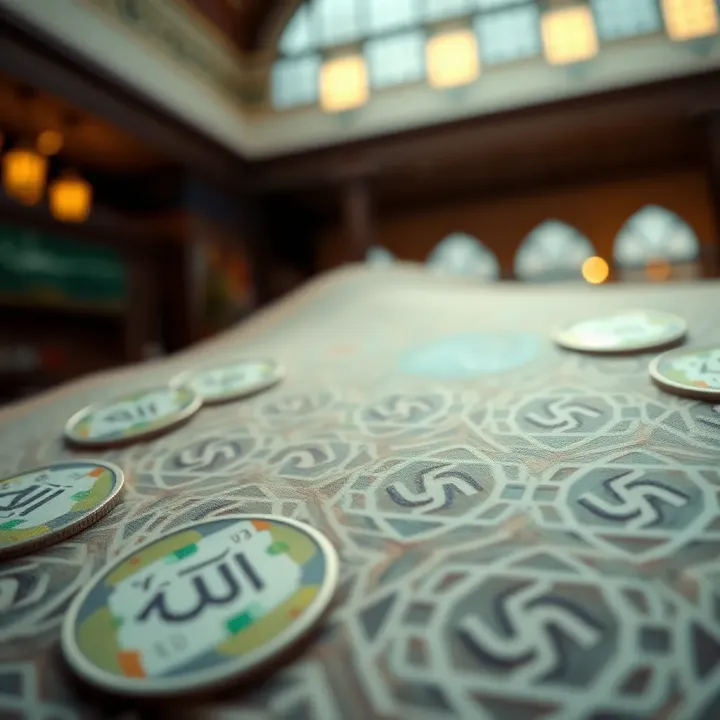
Islam encourages trade and earning profit through lawful means. Trading is seen as positive when based on real assets, transparency, and mutual consent. Profit is halal when the trader undertakes genuine risk and engages honestly.
For Kenyan investors, this means profits from currency trading need to stem from legitimate, clear transactions without elements of deception or exploitation. As long as trading is done fairly and within Shariah limits, earning from forex is permissible.
The key to identifying halal transactions is ensuring contracts avoid riba and gharar, involve real ownership, and profits come from actual trade rather than mere speculation or guaranteed interest payments. This distinction impacts how financial products and forex trading accounts are structured.
For example, many conventional forex accounts include swap charges linked to interest rates, which are unacceptable in Islamic finance. Thus, halal trading accounts are designed without these interest fees, complying with Shariah rules.
Ensuring transactions involve tangible asset exchange and transparent processes is vital for halal trading.
Kenya’s Islamic banks, such as Gulf African Bank and First Community Bank, offer products without interest to comply with Shariah. They provide mudarabah (profit-sharing) or murabaha (cost-plus financing) contracts instead of traditional loans.
Similarly, in investments, Islamic funds avoid companies involved in alcohol, gambling, or riba-bearing financial services. For forex traders in Kenya, using Islamic accounts that eliminate interest charges and focus on immediate currency exchange reflects adherence to these principles.
In summary, Shariah principles emphasise trade based on transparency, risk sharing, and the prohibition of interest and excessive speculation. For Muslims exploring forex trading, aligning with these concepts helps distinguish halal trading from practices that might contradict Islamic law.
Classifying forex trading as halal (permissible) or haram (forbidden) presents a complex challenge because of the specific financial elements that may clash with Shariah law. For many Muslim investors in Kenya, understanding these challenges is crucial to align their trading activities with Islamic principles. The key difficulties revolve around interest (riba), speculation, and the actual handling or ownership of currencies during trades.
One major concern in forex trading relates to interest charges or swaps. Forex accounts often involve carrying positions overnight that attract swap fees, which are essentially interest payments based on the differential of interest rates between two currencies. Islamic finance forbids riba, or charging and paying interest. This makes traditional swap charges problematic for Muslims engaging in forex trading. Practically, this has led to the creation of Islamic or swap-free accounts by brokers, which do not impose interest but may have other fees.
Forex trading can involve significant speculation—buying or selling currencies hoping for favourable price shifts without any underlying asset ownership or productive activity. Excessive speculation, akin to gambling, is disallowed in Shariah because it carries excessive uncertainty (gharar) and risk. Some traders treat forex like a gamble, betting on short-term price changes wildly. This behaviour crosses ethical lines in Islamic finance, which promotes fair trade without unjust risk or chance. However, disciplined traders using proper analyses might avoid this issue by focusing on informed decisions rather than guesswork.
Shariah requires actual ownership and possession of an asset during a trade. Spot forex transactions involve immediate exchange of currencies, usually within two business days, which most scholars find acceptable since ownership changes hands quickly. Forward contracts, however, delay delivery and settlement, increasing uncertainty and risk. These deferred contracts raise concerns of not meeting Shariah’s requirement for prompt possession and clear ownership, making them more contentious and often considered haram.
Some Islamic scholars permit forex trading if it avoids interest-based transactions, ensures immediate delivery, and refrains from excessive speculation. They argue that when trades follow these strict rules, forex becomes a legitimate form of trade, similar to currency exchange in normal commerce. In Kenya, traders using Islamic forex accounts with spot transactions often find support under this view, as it respects essential Shariah requirements.
Other scholars take a stricter stance, viewing forex trading as similar to gambling because of the high speculation and uncertain outcomes. They argue that the rapid buying and selling of currencies for profit amounts to excessive gharar, which destabilises the market and violates Islamic ethics. This school discourages forex trading altogether, suggesting Muslims avoid it despite the possible availability of compliant accounts.
In Kenya, Islamic councils and scholars provide guidance tailored to local contexts. They issue fatwas clarifying the conditions under which forex trading could be halal or not. Such rulings help Kenyan Muslims navigate financial markets with confidence. For instance, the Council of Imams and Preachers Kenya (CIPK) and other bodies often examine the features of local brokers’ Islamic accounts to verify Shariah compliance. Their role is crucial in bridging scholarly opinions with practical trade realities.
"Kenyan traders looking into forex must consider both the technical elements of their trading accounts and seek advice from recognised Islamic authorities to ensure their investments comply with their faith."
Understanding these challenges lets Muslim investors make informed decisions that respect Islamic finance principles, reducing risks of engaging in haram activities unknowingly.
Certain conditions can make forex trading more aligned with Islamic principles and therefore more acceptable for Muslim traders. Observing these helps ensure trading does not breach prohibitions in Shariah, such as the ban on riba (interest) and gharar (excessive uncertainty). By focusing on practices that uphold transparency, real ownership, and fairness, Muslim traders can engage with the forex market in a way that respects their faith.
Islamic or swap-free forex accounts address one of the main concerns in forex trading—the charging of interest or rollover fees known as swaps. Since earning or paying interest (riba) is forbidden, brokers offer these special accounts where no interest accrues on overnight positions. This adjustment allows Muslim traders in Kenya and elsewhere to open and close trades without violating Shariah law.
Brokers that accommodate Shariah-compliant trading often provide Islamic accounts tailored to local contexts. For example, trusted Kenyan forex brokers like Alpari and FXPesa include such options, ensuring no hidden swap fees or interest charges are applied. Traders must confirm with brokers about the actual conditions, as some accounts may still apply other charges that are permissible under Islamic finance but generally do not carry interest elements.
Islamic law requires actual ownership of the asset being traded and immediate settlement in currency exchange. Spot trading, where currency is exchanged promptly rather than deferred, meets this criterion. This means the trade involves tangible transfer of ownership at the point of sale, avoiding uncertainties related to future delivery.
Contracts that delay settlement or are purely speculative, such as forward or futures contracts without genuine asset exchange, are discouraged in Islamic finance. They introduce excessive uncertainty and do not guarantee actual currency ownership. Muslim traders should therefore focus on spot forex trading, where transactions settle quickly, aligning with halal standards.
Safe trading practices are key to reducing gharar and avoiding gambling (maysir) in forex. This involves disciplined strategies, thorough market analysis, and avoidance of impulsive bets based solely on chance. For instance, using technical indicators and economic news to inform decisions rather than relying on guesses reduces speculative risk.
Islamic traders emphasise analysis over speculation, keeping trades grounded in reasonable predictions and understanding of market behaviour. This approach distinguishes halal forex trading from pure gambling, where outcomes depend largely on luck. Thus, well-informed trading with controlled risk is more acceptable within Islamic guidelines.
Practising forex trading with attention to Shariah principles requires commitment to transparency, real asset ownership, and risk management. Choosing the right accounts, avoiding interest, ensuring immediate settlement, and focusing on analysis rather than guesswork help Muslim traders stay within ethical boundaries while participating in global currency markets.
Examining conventional forex trading alongside Islamic finance methods is key to understanding how Muslim traders can participate in currency markets while respecting Shariah principles. Conventional forex often involves interest (riba), swaps, and speculative elements which Islam forbids. Islamic finance, however, seeks to align with these religious rules, offering alternatives that aim to reduce or eliminate these prohibited practices.
Islamic forex accounts, often called swap-free accounts, remove overnight interest charges or swaps, which are common in conventional trading. This removal helps traders avoid riba, making trading more aligned with Islamic ethics. Besides, these accounts typically enforce immediate delivery or spot trading to ensure actual ownership of the currency, rather than mere speculative contracts.
For Kenyan traders, this can mean a way to engage in currency trading without compromising their beliefs. Platforms offering these accounts often add features like no hidden interest fees and clear terms on trade settlement times. For example, brokers may block the ability to keep trades open overnight, which reduces temptation for speculative practices.
Trusted brokers catering to Shariah-compliant accounts include platforms like AvaTrade, IG Group, and FXTM. These brokers provide verified Islamic trading options along with support tailored for Kenyan traders, including local deposit methods like M-Pesa. They also tend to offer customer service that understands the specific compliance concerns Muslim traders have, making it easier to trade without worry.
Kenyan traders should always check for broker certifications from recognised Islamic finance bodies and read user reviews to avoid accounts labeled as Islamic but still charging hidden interest.
While Islamic accounts remove interest, usual market risks and volatility remain. Forex markets are inherently unpredictable due to global economic shifts, news events, and political changes. Regardless of account type, traders may face losses, so strong risk management remains crucial.
Additionally, some Islamic accounts may carry hidden fees or charges disguised in spreads, commissions, or withdrawal processes. For instance, a broker might compensate for lacking swap fees by widening spreads, indirectly increasing costs for traders.
Kenyan investors should be cautious, verifying all costs upfront and comparing fees across different brokers. Understanding the exact fee structure protects against unexpected expenses and helps maintain ethical trading aligned with Shariah.
Though Islamic forex accounts remove interest charges, they do not exempt traders from the risks and costs typical of forex trading. Due diligence and careful selection of brokers are essential steps for responsible, compliant trading.
Navigating forex trading while upholding Islamic principles can be tricky. This section provides straightforward advice to help Muslim traders make informed and faith-aligned choices. Having practical guidelines is critical because forex markets are complex, and not all brokers or practices align with Shariah law. Taking care to consult experts and choose compliant brokers reduces risks beyond just financial losses—it also safeguards one's spiritual peace.
Seeking clear guidance aligned with personal beliefs is the first step. Every Muslim may interpret Shariah rulings slightly differently depending on their school of thought or community. Direct advice from scholars ensures you understand if and how forex trading fits into your specific religious framework. For instance, some scholars permit spot trading without interest charges, while others remain cautious. Getting a clear verdict based on your values prevents uncertainty and guilt later on.
Using Kenyan Islamic centres for advice is highly practical. Places like the Kenya Muslim Youth Alliance or the Islamic University in Nairobi host scholars experienced in Islamic finance. These centres provide accessible fatwas (Islamic rulings) and seminars tailored to contemporary finance issues, including forex. They can also point you to credible sources and certified Islamic brokers operating in Kenya, making your journey easier and more grounded locally.
Verifying Shariah compliance certificates matters greatly. Some brokers claim to offer Islamic or swap-free accounts but lack proper certification from recognised Shariah boards. Always ask to see the compliance documentation and cross-check the issuing authority. Certified accounts ensure your trades avoid prohibited elements like riba (interest) and promote immediate settlement, key for halal trading.
Researching user reviews and broker reputation helps avoid questionable operators. Look for feedback from Kenyan traders on forums or social trading platforms to uncover hidden charges or unethical practices. A broker trusted by local investors and regulated by reputable bodies is less likely to involve dubious contracts or fees, making your trading safer and more transparent.
Developing a sound trading plan is essential to steer clear of harmful speculation. Plan your entry and exit points, set clear limits for losses, and rely on thorough market analysis rather than guesswork. A disciplined approach reduces emotional trading and gambling-like behaviour, which Islam forbids.
Avoiding high leverage and impulsive decisions protects your capital and faith. High leverage magnifies profits but also losses and can lead to risky bets that resemble speculation. Stick to manageable leverage levels and avoid trading driven by impulse or hearsay. For example, instead of chasing sudden price swings, base your trades on solid fundamentals and clear patterns.
Careful preparation, verified Shariah compliance, and disciplined risk management are key for Muslims who want to trade forex without compromising their faith.
By following these pieces of advice, Muslim traders in Kenya can engage with forex trading more ethically and responsibly, balancing financial goals with Shariah principles.
📚 Master forex trading in Kenya with top books on technical analysis, risk management, and trading psychology to boost your skills and confidence.
📱 Thinking of forex trading in Kenya? Discover top apps, learn features, security tips, and find the best fit for safe, smooth trading journeys today!
Explore top forex trading companies in Kenya 🇰🇪, learn how the market works, choose the right broker, and get tips for safe, smart trading 💹.
📚 Discover essential forex trading books covering basics, strategies, market analysis & risk management. Perfect for beginners and pros to improve skills!
Based on 13 reviews