

Understanding Binary Bots in Trading
🤖 Learn how binary bots work in automated trading, explore their pros and cons, and what to watch for when trading binary options in Kenya.
Edited By
Sophia Bennett
Binary bots have carved out a niche in online trading, especially in markets like Kenya where access to quick, digital trading tools is rising fast. Traders often hear about these automated systems that promise to make trading easy and, most intriguingly, claim to eliminate losses. But how much of this is too good to be true? This article takes a straight look at what binary bots really do, the truth behind no-loss trading myths, and what you should expect if you're considering using these tools.
We'll cover how these bots operate under the hood, the realistic outcomes you can expect, and the risks waiting in the shadows. This is especially useful for Kenyan investors, brokers, and financial analysts who want to separate hype from reality before committing their money. By the end, you'll have a clearer picture to make informed decisions about relying on automation in binary options trading.
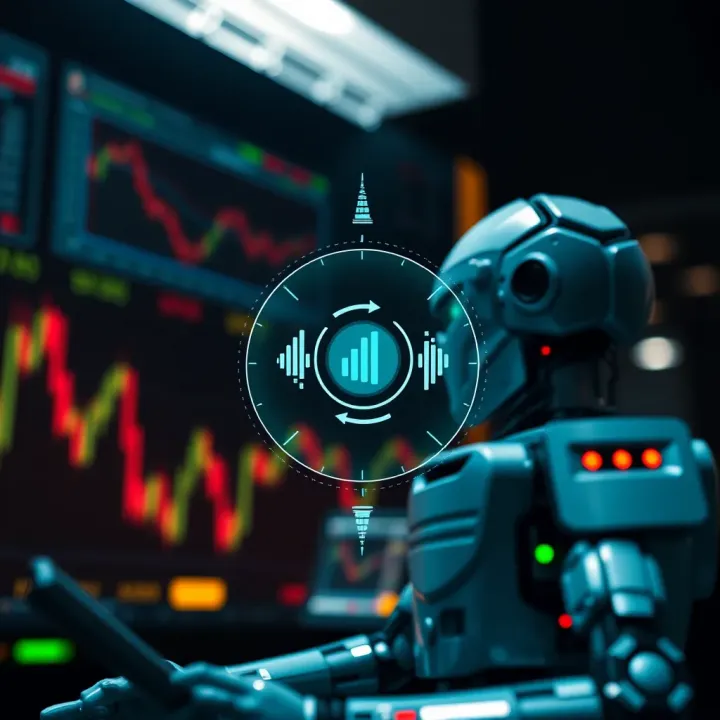
Remember, no system is flawless, and anyone claiming guaranteed profits without risk is likely overpromising. This article guides you through the facts, not fantasies.
In the world of trading, binary bots have become a buzzword, especially among those looking for a hands-off approach to markets. But what exactly are these bots, and why do they matter? At their core, binary bots are software programs designed to execute trades automatically based on pre-set rules or algorithms. This automation can offer traders an edge by removing emotional decisions and allowing for faster reactions to market movements.
Take, for example, a trader who can't monitor the markets continuously during a busy day at work. With a binary bot, that trader's strategy can keep running, scanning for specific signals and placing trades the moment conditions are met. This 24/7 activity can be valuable in volatile markets like forex or commodities, where quick decisions often make the difference between profit and loss.
In Kenya, as elsewhere, traders are drawn to binary bots for their promise of efficiency and convenience. However, understanding how these tools work is essential before trusting them with real money. Let's break down what these bots actually do and how they operate in practice.
Binary bots operate by taking a trader's strategy—often a set of if-then rules—and turning it into automatic commands. Instead of manually clicking “buy” or “sell” every time a condition arises, the bot does it instantly. Imagine a simple rule: "If the price of the EUR/USD pair rises by 0.1% within five minutes, buy a call option." A binary bot watches the market constantly, and the moment it spots this pattern, it executes the trade without delay.
This automation saves time and effort, taking out emotional biases that usually lead to impulsive decisions. For example, a trader fearing a sudden market drop could prematurely close a position. Bots stick strictly to the programmed logic, maintaining discipline that many human traders struggle with.
Binary bots are commonly interfaced with popular trading platforms like IQ Option, Binomo, and Pocket Option, which cater to binary options trading. Some traders prefer standalone software like BinaryBotPro or MetaTrader plugins that can be customized heavily.
It's important to note that many of these software solutions come in free and paid versions. Paid versions often include advanced features such as backtesting tools, which allow users to test strategies on past data, and real-time market indicators. For example, using MetaTrader with Expert Advisors (EAs) lets traders combine technical indicators with algorithmic precision.
When picking a platform, users should look at factors like ease of use, reliability, customer support, and community feedback. Kenya-based traders should also check if the platform supports local payment methods or complies with regional financial regulations.
Behind every binary bot is an algorithm designed to analyze market data and make decisions. These algorithms can range from simple moving average crossovers to complex machine learning models analyzing patterns nobody can spot at a glance.
For instance, an algorithm might monitor price trends, volume changes, and economic news releases simultaneously. It processes all this data and sends a signal when certain criteria are met.
What makes these algorithms practical is their capability to handle vast amounts of information quickly, which a human trader can’t do in a timely way. However, the quality of the algorithm greatly influences the bot’s success. A poorly designed algorithm might respond too late or misinterpret signals, causing losses.
Once the algorithm says “buy” or “sell,” the bot acts immediately. This speed is crucial because markets can shift in seconds. Manual traders might hesitate or lag for a few moments, but bots trade instantly, capturing opportunities that might otherwise disappear.
Execution also depends on the platform's responsiveness and internet connectivity. A stable setup ensures orders are placed at the best possible price without slippage.
For example, if a bot detects a bullish trend in the USD/KES pair and triggers a call option, the trade launches without delay — maximizing the chances of a profitable outcome.
Remember: automation does not eliminate risk. Bots follow programmed instructions, and if the market behaves unpredictably, losses can happen just as fast.
Understanding these mechanisms is vital for anyone intrigued by binary bots. It’s not magic but a combination of algorithm-driven decisions and swift execution that defines how bots function in binary trading.
No-loss binary trading bots seem like the holy grail for many traders, especially those in Kenyan markets where access to reliable trading tools might still be catching up. The idea behind these bots is simple — to automate the decision-making process while promising traders won’t lose money, only gain it. Naturally, this claim grabs attention because, let’s face it, who wouldn’t want a trading system that takes all the guesswork and risk off the table?
What makes this topic relevant is that understanding these bots helps traders and investors avoid unrealistic expectations and potential scams. Many beginner traders get drawn to no-loss promises without realizing the complexities of financial markets. It matters because the allure of “easy money” can often lead a person down the wrong road economically, particularly where regulation might be lax or verification of claims is weak. Exploring this helps build a more realistic approach to automated trading.
Developers of no-loss binary bots often pitch these systems like magic money machines. They talk about sophisticated algorithms guaranteed to predict market moves with pinpoint accuracy. Some say their software uses insider-like information or employs secret strategies that big institutions use, all packaged in a user-friendly interface. You’ll often hear rhetoric like “100% win rate” or “loss recovery functions” that supposedly compensate for any losing trades.
Practically, these claims serve as major marketing hooks. They hook in traders looking for something less risky than traditional trading. But the reality is that no software can consistently predict market direction without any losses — markets are influenced by countless unpredictable factors including geopolitical events, economic data, and sudden market sentiment changes.
Well, it boils down to human nature—we're wired to avoid losses more than we pursue gains. The thought of a no-loss bot taps into the fear of losing hard-earned money and the desire for hassle-free profits. For many Kenyan traders, especially those new to investing, the idea of letting a bot handle complex analysis while guaranteeing returns sounds perfect.
Additionally, time constraints make automated tools attractive. Many traders juggle jobs or businesses and can’t spend hours watching charts. A no-loss bot promises not only profits but also freedom from constant monitoring. It gives hope that one can be in the trading game without being glued to a screen all day.
The no-loss claim plays on both the fear of loss and the hope for effortless profit, making it a powerful lure for traders across experience levels.
Financial markets are messy and downright unpredictable. No matter how complex an algorithm might be, it’s always working with past data and probabilities, not certainties. Unexpected events like political upheavals, central bank decisions, or natural disasters can cause sudden price swings.
Binary options are particularly sensitive because they’re essentially bets on price movements within a short time frame. Even the best bots can't dodge losses when the market heads in an unexpected direction. This unpredictability means any promise of guaranteed no-loss trading should be met with heavy skepticism.

Even in a fair coin toss, you won’t get heads every time. Similarly, trading involves chance. Some no-loss bots may show periods of success due to luck or short-term patterns, but over the long haul, the odds of sustained winning diminish. Probability works against you.
More often than not, what’s marketed as a no-loss bot simply uses money management tactics or doubling down strategies to cover losses temporarily. But this can lead to bigger risks or wipeouts quickly if the market keeps moving against the trades.
Understanding that luck and probability play huge roles helps traders keep expectations grounded and avoid falling for unrealistic sales pitches.
In summary, while no-loss binary bots sound appealing and may offer moments of profit, the reality is they can’t eliminate all risk. Being aware of this helps traders in Kenya make smarter, more informed decisions instead of chasing promises that don’t hold up under market pressures.
Understanding the risks and limitations of binary bots is essential for anyone looking to use these automated trading tools. While the idea of a bot handling trades might seem like a free pass to easy profit, the reality is far more complex. Traders often underestimate just how much risk remains even when automation is involved. This section breaks down the financial, technical, and regulatory challenges that come with depending on binary bots.
Even the smartest binary bots can't guarantee winning trades. Automation removes some human error but can’t eliminate market risk. For example, sudden market swings caused by economic news or political events can result in unexpected outcomes that bots are not prepared for. Automated bots strictly follow their programmed strategies, so if market conditions shift dramatically outside those rules, losses are inevitable. Traders need to remember that no bot can fully predict black swan events or drastic price moves.
Moreover, overreliance on automation might cause traders to lose awareness of their portfolio's performance since bots can operate around the clock, sometimes executing many trades in a short period. Losses can pile up surprisingly fast if the bot’s strategy isn’t regularly reviewed and adjusted.
Bots pick their trades based on market signals, but these signals aren't always accurate. False signals happen when the bot interprets short-term price movements as definite trends and makes trades that turn out wrong. For instance, a bot might detect a sudden price increase and decide it's an upward trend, only for the price to drop moments later. This is especially common in volatile markets where price spikes are frequent but don’t indicate lasting trends.
Such false signals can drain trading capital steadily. To manage this, traders should look for bots equipped with filters that reduce noise or combine multiple indicators for trade confirmation. Still, the risk of acting on misleading signals remains, so diversification and stop-loss orders become crucial.
No software is perfect, including binary bots. A glitch or bug might cause the bot to misinterpret data, execute incorrect trades, or freeze mid-operation. These failures can mean missed opportunities or accidental large losses. For example, if a bot experiences a calculation error during a critical market window, it could take an unwanted position and lose capital rapidly.
Operational risks also include failing to update the bot software. Outdated bots might not react well to new market changes or platform updates. Traders should ensure that their bots receive regular updates from trusted developers and have technical support available to fix problems quickly.
Reliable internet and platform uptime are vitally important when using binary bots. A sudden connection drop or platform crash can interrupt the bot’s trading activities, potentially leading to missed trades or inability to close positions. Imagine a scenario where an internet blip causes a bot to keep holding onto a losing trade instead of cutting losses.
To mitigate this, traders can use backup internet sources, set alerts for connection issues, and avoid running bots on unstable or unsupported trading platforms. Also, choosing a hosting option with good uptime guarantees can make a difference.
In Kenya, binary options trading exists in a somewhat gray area. While the Capital Markets Authority (CMA) oversees investment activities, binary options platforms often operate from overseas, making regulation tricky. This lack of clear legal framework can expose traders to unregulated brokers and scams.
It's important for Kenyan traders to confirm whether the broker or platform they intend to use is licensed by CMA or recognized international regulators. Trading with unregulated entities is risky and could result in loss of funds without recourse.
Kenyan law offers limited direct protection specifically for binary options traders because of the complexity surrounding cross-border trading platforms. However, general consumer protection laws apply where brokers have a local presence.
Traders should work with platforms that offer transparent terms, clear communication channels, and established dispute resolution mechanisms. In addition, keeping detailed records of trades and communications can come in handy if complaints need to be raised through Kenya's financial ombudsman system or regulators.
Always treat binary bots as tools, not magic money machines. Being aware of these risks can help you avoid pitfalls and trade smarter, not just harder.
When Kenyan traders decide to use binary bots, it's not just about grabbing the latest software and hoping for the best. Evaluating these bots properly can be the difference between making informed trades and falling victim to costly mistakes. At the core, it's about understanding whether the bot is trustworthy, efficient, and suitable for your trading goals.
Take, for example, a trader based in Nairobi who invests heavily without checking the bot's background. Without proper evaluation, they might fall into traps set by unscrupulous sellers promising sky-high returns with no effort. This section walks you through how to differentiate the genuine tools from the smoke and mirrors.
Independent feedback offers real-world insights on how a binary bot performs outside of the vendor's marketing pitch. Think of it like checking Yelp before ordering from a new restaurant. Traders should visit forums, social media groups, or platforms like Trustpilot to hear from actual users. Look for details such as how the bot handled volatile markets, frequency of crashes, and customer support responsiveness.
Be cautious of reviews that sound too good to be true or repeatedly use identical phrases; these often hint at fake testimonials.
By focusing on unbiased experiences, traders gain a clearer picture of the bot's track record. For instance, bots like BinaryRobot365 have mixed reviews — some praise its ease of use, but others report inconsistent profits, which highlights the importance of reading widely.
The binary trading space is riddled with scams, especially those dangling the shiny carrot of guaranteed profits with no losses. These claims should trigger red flags immediately. Legitimate bots will never promise a 100% success rate because markets are naturally unpredictable.
To protect yourself, scrutinize the sales pitches for phrases like "100% no-loss" or "set and forget profits." Also, check whether the company behind the bot is registered with relevant regulatory bodies in Kenya or internationally. Any lack of transparency about ownership or trading algorithms is a bad sign.
A serious trader knows that automated tools can help, but they are not magic wands. Binary bots can increase efficiency by executing trades quicker than humans, but they don’t erase the chances of loss. Expecting steady profits without understanding downside risks sets you up for disappointment.
For example, if a bot consistently wins 70% of trades, that still means 30% of trades end in losses — which can add up fast if you're not careful with your stake sizes. It's important to set clear profit goals alongside stop-loss limits to prevent draining your account.
Even the best bots need human supervision. Markets can change suddenly because of breaking news or unexpected events, and bots aren’t equipped to interpret those nuances fully. Watching your bot's performance regularly allows you to intervene, tweak settings, or pause trading if needed.
For instance, if a bot is running amok during a major currency volatility — like the Kenyan Shilling reacting to national economic shifts — your manual input can prevent unnecessary losses. Relying solely on automation without oversight is like leaving your car unlocked and hoping for the best.
Evaluating binary bots thoughtfully ensures you don’t just jump on bandwagons but make choices based on solid evidence and realistic expectations. This approach helps Kenyan traders avoid scams and position themselves better in the challenging world of binary options trading.
When it comes to binary bots, playing it safe isn’t just a good idea—it’s essential. These automated trading tools can be handy, but without the right safeguards, they might lead you down a rocky path. Practicing smart habits helps you avoid major losses and ensures your trading journey isn't a wild ride.
One of the most straightforward ways to protect your investments is by setting stop-loss limits. Imagine it like having a safety net that kicks in to cut your losses before they spiral out of control. For example, if you invest 10,000 Kenyan shillings in a trade, you might set a stop-loss at 7,000 shillings to prevent losing more than 3,000 on that trade. This tactic works because it automatically closes a trade when it hits a certain loss threshold, preventing emotional decisions during market swings.
It's like having a firm rule: "I’m willing to risk this much, no more." Without this, traders can end up chasing losses or holding on to bad trades hoping they’ll turn around, which rarely ends well.
Another key practice is never putting all your eggs in one basket—or in this case, pouring too much capital into bots. Automated systems can fail due to bugs, connectivity issues, or unexpected market conditions. Suppose you have 100,000 shillings to invest; dedicating 80% or more solely to binary bots exposes you to unnecessary risk.
Instead, allocate only a portion of your funds to bots while keeping some for manual trading or other investment avenues. This approach keeps your overall portfolio balanced and cushions potential bot-related losses. Knowing when to pull back or diversify helps maintain a steady course rather than riding high on risky automated trades alone.
Even the best bots aren’t set-it-and-forget-it devices. Markets shift rapidly, and a bot’s predefined rules might not keep up with every twist and turn. That’s why traders who regularly check on their automated trades are better positioned to spot problems early.
For instance, a sudden policy change or economic event in Kenya can affect currency pairs or stock movements targeted by your bot. By monitoring, you can pause the bot or adjust settings before losses stack up. Setting daily or twice-daily check-ins on your bot’s performance ensures you stay connected to what’s happening instead of blindly trusting automation.
If your bot isn’t hitting the sweet spot, it’s a sign to rethink your approach. This could mean tweaking the bot’s parameters, switching to a different trading algorithm, or combining bot trades with your own analysis.
Let’s say your bot consistently struggles during volatile markets; you might reduce trade volumes during such periods or temporarily switch off the bot until conditions stabilize. Keeping a trading journal or performance log helps identify patterns and informs these adjustments.
Adaptability prevents rigid habits that can drain your capital. Treat your bot like a tool in your toolbox, not a magic wand.
Safe trading with binary bots requires balance—between automation and human insight, risk-taking and caution. When you master these best practices, the bots can really become your trading partners rather than sources of stress.
By following strong risk management techniques and combining automation with personal oversight, you’re setting yourself up for a more realistic and controlled trading experience in Kenya’s fast-paced financial markets.
Binary trading bots often promise convenience and quick profits, but relying solely on automated systems can backfire, especially in a volatile market like binary options. For Kenyan investors, exploring alternative approaches offers a way to gain better control, develop skills, and manage risks effectively. These approaches focus on a more hands-on understanding of the market, tailored risk management, and leveraging community knowledge.
Manual trading gives you the power to analyze price charts and market trends yourself through technical analysis. At its core, technical analysis looks at past price movements to predict future patterns. Kenyan traders can use indicators like moving averages, Relative Strength Index (RSI), and Bollinger Bands to identify entry and exit points. For instance, if the RSI indicates an overbought asset, a trader might choose to sell instead of buying blindly.
The practicality here is huge: instead of blindly following a bot’s signals, you develop a feel for market rhythms and can avoid bad trades. This basic analysis isn’t rocket science — many free charting tools come with preset indicators that break down complex data visually. Learning and applying just a few key indicators can make a big difference in spotting realistic trading opportunities.
One way to sharpen manual trading skills without risking actual money is through demo accounts. Many platforms, including IQ Option and Olymp Trade, offer these practice environments where you trade with virtual funds. Kenyan traders can experiment with different strategies, test technical analysis tools, and get a real-time feel for market movements without the stress of losing capital.
This approach helps build confidence and discipline. For example, repeatedly practicing stop-loss orders in a demo account conditions you to react appropriately under pressure. It’s like a flight simulator for trading — mistakes happen on a fake runway, so when you go live, you’re way better prepared.
Trading can feel like a lonely game, but Kenyan investors don’t have to go it alone. Local forums such as the Kenya Traders Club and online communities on platforms like Reddit or Forex Factory provide spaces for shared experiences, tips, and honest feedback. These forums let you bounce ideas, ask questions, and learn from traders who have faced similar challenges.
Community support is especially helpful to filter out the hype around no-loss bots. Veteran members often warn newcomers about scams or unrealistic profit promises. Engaging regularly can keep your expectations grounded and expose you to practical tactics that real traders use.
For those looking to get a deeper grip on trading — beyond trial and error — workshops and structured courses offer a focused way to learn. In Kenya, there are several financial education institutions and trading academies that provide beginner to advanced courses on binary options and forex trading.
These workshops often cover everything from risk management principles to technical analysis and psychology of trading. They give hands-on exercises and sometimes even mentorship programs. Imagine attending a weekend seminar that clearly explains how to read charts or set up stop-loss orders. This kind of formal training can fast-track your progress and reduce the common beginner pitfalls.
Education and practice combined with community insights can dramatically improve a trader's chance of success, offering a balanced alternative to relying purely on automated bots.
Adopting these alternative approaches doesn't mean eliminating binary bots altogether but integrating smarter, informed strategies with some hands-on control. For Kenyan traders willing to invest time in learning and practicing, these methods provide a stronger foundation for navigating the highs and lows of binary trading more safely and realistically.
🤖 Learn how binary bots work in automated trading, explore their pros and cons, and what to watch for when trading binary options in Kenya.

Explore how binary bots work in automated trading, their benefits & risks, types available, legal tips, and best practices for Kenyan traders 🤖📈

🤖 Explore how binary bots automate trading in Kenya, learn their risks, benefits, key features, regulations, and tips for smarter decisions.

🤖 Learn how binary trading bots work in Kenya's markets, their pros and cons, legal tips, and ways to pick safe automated trading tools for better decisions.
Based on 5 reviews