

Best Times to Trade Forex in Kenya
⌛ Discover the best forex trading times in Kenya! Learn key market hours, session overlaps, and smart timing strategies to boost your trading success.
Edited By
Sophie Bennett
Trading binary options can be quite rewarding, but timing is everything. If you jump in at the wrong moments, you might as well be throwing darts blindfolded. In Kenya, understanding when the market buzzes with activity is key to making smarter trades and avoiding unnecessary risks.
This article is crafted to shed light on the best hours and market sessions for trading binary options right here in Kenya. We'll look at how different global trading sessions impact local trading conditions, highlight the factors that cause price shifts, and share practical tips to pick the right time based on your preferred assets and local time zone.

Mastering your timing can often mean the difference between a successful trade and a missed opportunity.
Whether you’re a seasoned trader, an investor scanning for better entry points, or even a financial analyst probing market rhythms, this guide offers concrete insights to help sharpen your strategies. The spot to start? Getting a grip on how world markets tick alongside our Kenyan clock.
Grasping the basics of binary options trading is the first step for anyone trying to navigate this market successfully. This section lays the groundwork by breaking down what binary options are, and why they matter to traders in Kenya. Binary options offer a straightforward way to speculate on the price movements of various assets without owning them outright. This simplicity attracts many new traders, but it also means understanding how to trade wisely is key.
Binary options trading is not just guesswork—the structure of trades and how they're settled plays a massive role in determining your chances of success. For example, unlike traditional trading where profit depends on the magnitude of price change, binary options hinge on a simple yes/no outcome: will the price be above or below a certain level at expiry? This clarity helps beginners focus on timing and market analysis rather than complex calculations, which is particularly useful when trading based on Kenya’s specific market hours.
Furthermore, knowing which assets to trade in Kenya is crucial. Because Kenyan traders often deal with global markets operating in different time zones, selecting assets like relevant currency pairs, commodities, or indices can influence your results. For instance, trading the USD/KES pair might align better with local trading hours, while indices like the FTSE 100 react sharply during London’s stock market hours.
By understanding these fundamentals, Kenyan traders can build more effective strategies that suit their schedules and market conditions. This section serves as the foundation for later discussions about when to trade, what to trade, and how to adjust strategies to fit the unique rhythms of binary options trading in Kenya.
Binary options trading is a financial contract where the payoff is either a fixed amount or nothing at all. Simply put, you predict whether the price of an asset will go up or down within a set time frame. If you guess right, you get a predetermined payout. If not, you lose your investment.
For Kenyan traders, the appeal lies in its simplicity and limited risk exposure. You know upfront how much you stand to lose or gain, which makes managing risk easier. For example, if a trader decides to invest $50 in predicting that Brent crude oil prices will rise by the end of the hour, they either get a fixed payout (say $90) or lose their initial $50, with no surprises.
This binary nature means it’s less about how far price moves and more about making the correct directional call. It’s a style of trading that doesn’t require owning the underlying asset, lowering barriers to entry, especially for those without large capital.
Binary options trades involve choosing the asset, the direction of price movement (up or down), the time frame (expiry), and the amount to invest. Effective trade structure depends on selecting the right expiry times—which could range from 60 seconds to several hours or days—based on how volatile an asset is during that period.
Settlements happen at the expiry time: if your prediction is right, the broker pays the fixed return immediately. If wrong, you lose the money used for that trade. This instant result is a big attraction compared to other financial products where you might wait days or weeks for outcomes.
For instance, a Kenyan trader betting on the EUR/USD pair might choose a 15-minute expiry during the London-New York overlap, when this currency pair is most active. If the pair goes the predicted way after 15 minutes, they get a payout; if not, the amount is lost. Understanding the timing and asset behavior is crucial because poor timing can lead to losses despite correct market predictions.
Kenyan binary options traders often focus on currency pairs involving the Kenyan Shilling (KES) directly or major global currencies with high liquidity. The USD/KES pair is a favorite because it’s directly related to the local economy and influenced by local factors such as Central Bank announcements or trade balances.
Additionally, currency pairs like EUR/USD, GBP/USD, and USD/JPY are widely traded because they offer good volatility and liquidity during key market sessions that align conveniently with Kenyan time. For example, the London and New York markets overlap between 4pm and 7pm EAT (East Africa Time), providing ample movement for currency pairs and creating profitable trading windows.
Understanding when these pairs move most can help Kenyan traders choose the best times to place binary options trades.
Commodities like gold, oil (Brent crude and WTI), and silver are popular among Kenyan traders, offering opportunities during global market sessions. Gold prices tend to react heavily to shifts in the US dollar and geopolitical tensions, making it a go-to asset especially when markets are jittery.
Indices such as the FTSE 100, Dow Jones Industrial Average, and NASDAQ are also frequently traded. These reflect larger economic trends and offer more predictable movement based on scheduled news and earnings reports.
Kenyan traders should match trading times with when commodities and indices are most active globally—for example, the Brent crude market is very active during European trading hours, which overlaps with Kenyan daytime, providing a good window for trading decisions.
Keeping an eye on asset-specific activity alongside Kenyan timezones can make all the difference in spotting profitable setups in binary options trading.
By focusing on these foundational concepts and asset choices, Kenyan traders acquire the tools necessary to better time their trades, which is the key topic we'll develop further in the next sections.
Trading hours play a significant role in the success of binary options activities, especially for traders in Kenya. The timing determines market liquidity, volatility, and ultimately the potential for profit or loss. Understanding when key markets open and close can give Kenyan traders a leg up on spotting opportunities and avoiding dull periods with little price movement.
Around the world, financial markets operate in different time zones, influencing when assets are actively traded. The three main trading sessions are the Asian (Tokyo), European (London), and American (New York) markets. For example, Tokyo session starts roughly at 2 AM Kenyan time, London begins around 10 AM, and New York session kicks off approximately 3 PM Kenya time. Each session brings its own flavor of market activity depending on the prevailing economic forces and trader participation.
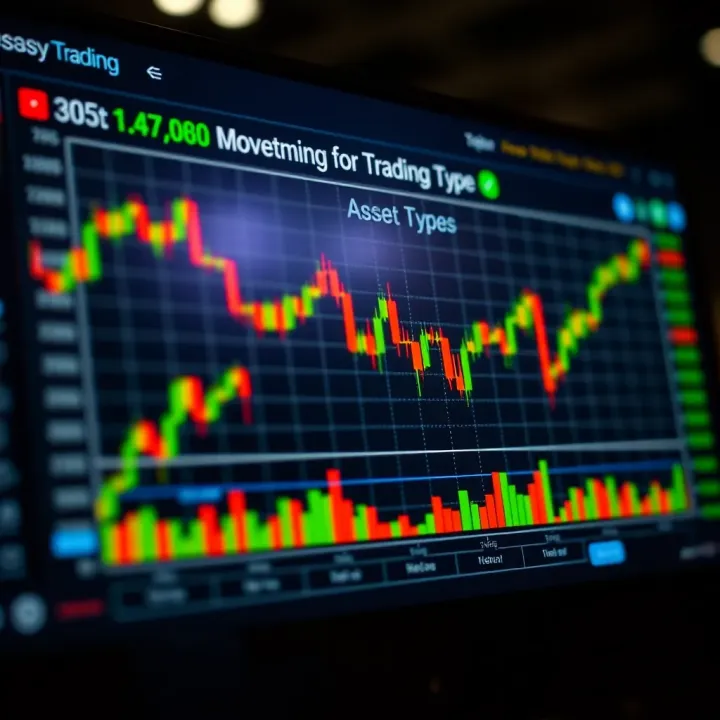
Kenyan traders need to know these hours to catch when their chosen assets (like EUR/USD or commodities) are most active.
Trading during these sessions usually means better price movement, offering opportunities to capitalize on.
When two major sessions overlap, typically London-New York between 3 PM and 7 PM Kenya time, market volatility spikes. This means prices move more wildly — both a potential bonanza and risk zone. It is during these times that many traders find it easier to spot clear directional moves for binary options trades.
For instance, a sudden news release from the U.S. during this overlap can cause quick swings in currency pairs like USD/KES or commodities like oil. Savvy traders use this to place timely trades that could yield profitable outcomes if managed well.
Overlapping sessions act like the rush hour of financial markets — more activity leads to bigger waves in prices.
Kenya operates at UTC+3 without daylight saving shifts, which simplifies converting global market hours.
Tokyo session: approximately 2 AM to 11 AM Kenyan time
London session: roughly 10 AM to 7 PM Kenyan time
New York session: about 3 PM to midnight Kenyan time
Knowing these conversions helps Kenyan traders schedule their activities without guesswork, maximizing their chances to trade when markets are most lively.
Generally, the most active trading hours for Kenyan binary option traders fall between 10 AM and 7 PM due to the London session's overlap with both the Tokyo tail-end and the start of New York's. This window typically offers higher liquidity and volatility.
However, early morning trades around 2 AM to 5 AM can also be profitable for those focused on Asian markets or specific commodities. But these require waking up early or automating the process.
Finding a consistent trading window that aligns with your lifestyle and risk tolerance is key — better to be focused and alert during peak trading times than spread thin across the whole day.
By understanding the rhythms of global market sessions and converting these accurately into Kenyan time, traders can better plan their binary options trades. This knowledge alone isn't enough, though — coupling it with keen observation of volatility during overlaps and personal scheduling ensures trading isn’t just guesswork but a strategic move.
Knowing when to trade binary options isn’t just about watching the clock; it's about understanding the factors that make certain times more favorable. These factors shape market behavior and can seriously affect your chances of success. For instance, if a stock or currency pair tends to move wildly during certain hours, jumping in during that window could amplify your gains—or losses. In Kenya, where the trading day syncs uniquely with global markets, grasping these influences becomes more than useful; it’s essential.
Price swings happen because of several reasons—like major players entering or exiting the market, breaking news, or changes in supply and demand. Typically, volatility spikes when different global markets overlap. Take the overlap between London and New York sessions; this period often sees lively action and sharp price movements. Also, economic data releases or unexpected events can send prices swinging fast.
Instead of fearing market swings, savvy traders get on board with them. High volatility offers more opportunities to make profits from binary options if you time your trades right. For example, during volatile periods, short-term trades like 5-minute expiries can capture quick moves. But it’s a double-edged sword; it’s wise to avoid trading when markets are dead quiet since price can get stuck, making outcomes less predictable. The key is to stay alert and adapt your trades based on current volatility patterns.
Certain economic announcements pack a punch and send markets into a frenzy. For Kenyan traders, keeping an eye on US jobs reports, UK interest rate decisions, or oil inventory numbers is smart because these can swing popular currency pairs like USD/KES or commodities like oil. Indicators like inflation rates, GDP growth figures, and central bank statements often trigger immediate, sometimes sharp, price action.
Jumping into trades blind during news releases can be risky. Instead, it’s better to wait until the news settles or plan your trades just before expected volatility. For instance, if you know a big US jobs report drops at 3 PM Nairobi time, you might close existing positions or avoid initiating new ones until the dust settles. Alternatively, some traders use the news spike itself as an opportunity, placing trades anticipating quick moves. Either way, understanding when news hits the market helps tailor your approach and minimize surprises.
Not all expiry times suit every time of day. For example, during high activity hours—such as the London-New York overlap—shorter expiry times like 15 or 30 minutes can work well. During quieter hours, longer expiries might provide a better chance for prices to move enough to hit targets. Maybe you prefer 1-hour expiries early in the morning when the market is slow but tend to use 5-minute options during the busiest trading hours.
Your trading plan should flex with the clock. Morning trades might focus on spotting early trends or reversals after overnight news, while afternoon sessions could lean on momentum plays. Some traders avoid the last half hour before market closes because price often stagnates or moves unpredictably. Finding what works involves observing how assets behave during different times and adjusting your tactics accordingly.
Timing is everything in binary options trading. When you combine solid knowledge of volatility, key economic events, and well-chosen expiry times, you stack the odds in your favor. For Kenyan traders, syncing strategies with these factors isn’t just smart; it’s how you stay competitive in the fast-moving market.
Understanding these factors could mean the difference between a routine trade and one where you actually get ahead. Keep your eyes on market behavior, watch global and local economic calendars, and adjust your expiry times thoughtfully. That’s how you trade smarter, not just harder.
Trading binary options successfully in Kenya requires more than just understanding market hours; it demands practical approaches to stay consistent and effective. This section offers actionable advice to help Kenyan traders navigate daily market fluctuations, manage their schedules, and choose platforms tailored to local needs.
Monitoring market trends every day is like having a weather forecast for your trades. Traders typically use tools like TradingView or MetaTrader 4, which provide live price charts, technical indicators, and news feeds. For instance, Keeping an eye on moving averages or Bollinger Bands can reveal short-term price momentum, helping you decide when to enter a trade. Also, platforms with Kenyan news integrations, such as those highlighting East African economic updates, offer a unique edge. Without this insight, it's like sailing blind — risking trades during choppy market conditions.
Markets don’t stick to a fixed rhythm, so sticking to rigid trading hours can cost you. If, say, the Nairobi Securities Exchange is seeing low activity during lunchtime hours, it might be better to pause trades then and focus on market openings in London or New York, when volatility spikes. Shift your trading hours in response to real-time changes; if the forex market is jittery after U.S. jobs data is released, that’s often when opportunities pop up. Flexibility like this ensures your strategy aligns with the market’s pulse rather than fighting it.
Consistency beats chasing every trade. Carving out specific periods during the day—such as early mornings before work or evenings—helps maintain discipline. A Kenyan trader working a 9-5 job might find the London market opening around 10 am EAT ideal. This habit not only helps in planning but also boosts focus and performance over time, rather than erratic, energy-draining sessions.
Trading can become overwhelming if you push too hard. Fatigue not only dulls judgment but also tempts unnecessary risks. For example, if you notice yourself placing trades just to recover losses, that's a red flag. Setting daily limits on the number and value of trades and taking regular breaks can prevent burnout. Remember, it's quality, not quantity, that counts in binary options trading.
Kenyan traders benefit from platforms offering access to global assets while supporting local payment methods like M-Pesa. Platforms such as IQ Option and Binomo provide a wide range of assets and accept Kenyan shillings, making deposits and withdrawals straightforward. Selecting a platform with smooth market execution during key trading hours is essential to avoid frustrating delays and slippage.
While Kenya's regulatory stance on binary options remains evolving, choosing platforms that offer clear compliance information and responsive customer support reduces risks. Traders should prioritize brokers registered with reputable bodies like the UK’s FCA or CySEC, indicating higher standards. Also, platforms offering Kiswahili support or local phone assistance enhance communication and problem resolution.
Smart traders blend market awareness with practical discipline and reliable tools. For Kenyan binary options traders, balancing these elements directly impacts success and sustainability in the market.
Understanding when to trade can make all the difference between a hit and a miss in binary options, especially for Kenyan traders who juggle local and global market times. This section ties together everything discussed previously, emphasizing how the timing of trades can impact profitability and risk.
By aligning your trading hours with peak market activity, you catch the moves when the spreads are tighter and volatility is just right—not too wild, but enough to create opportunities. For example, trading during the overlap of the London and New York sessions (3 PM to 6 PM Kenyan time) often provides the best environment due to heightened liquidity and price action.
Another key point is monitoring economic releases or announcements relevant to your asset’s market. Acting close to these events can be a double-edged sword—you might catch quick gains, but also risk sudden reversals. So, a good trader knows when to be in and when to sit out.
Practical benefits of timing your trades well include better accuracy in predicting price direction and reducing exposure during dormant market hours which could pull your capital down with unexpected moves.
Remember: trading 24/7 without strategy can wear you down and blow the account. Smart timing is a trader’s secret weapon.
Kenya’s time zone (EAT, UTC+3) sits uniquely where certain global market hours overlap briefly, creating prime conditions for active binary options trading.
London Session: 10 AM to 6 PM local time is when European stocks and forex pairs like EUR/USD or GBP/USD move robustly.
New York Session: Opens at 3 PM and closes around 11 PM. The overlap with London brings in significant volume and volatility.
Asian Session: Less relevant to Kenyan traders due to timing (4 AM to 12 PM), but useful for specific assets like USD/JPY or gold.
Traders who focus their efforts during these windows tend to find clearer price patterns and better trade execution. For instance, someone trading EUR/USD might avoid early morning hours when London markets haven’t opened yet.
Markets don’t stand still—volatility swings, news hits, and trends shift. A strategy rigidly tied to a fixed time window can miss the mark.
Seasoned traders in Kenya adjust their tactics depending on how markets behave on any given day. If there’s a scheduled economic release, they might trade shorter expiries to capitalize on quick price moves or avoid trading immediately after to prevent getting caught in whipsaws.
Similarly, if the market shows low activity during certain hours—say mid-afternoon before New York kicks in—a trader might switch to less volatile instruments or take a break to avoid overtrading.
In practice, this flexible approach could mean:
Using technical analysis to spot strong trends during overlap sessions.
Deploying options with longer expiries when volatility is low, giving the market time to move.
Closing trades before major announcements if unsure about the event’s impact.
By reading the market’s pulse and adjusting accordingly, Kenyan binary options traders stand a better chance of preserving capital and improving their win rates.
Ultimately, timing isn’t just about the clock; it’s about adapting to what the market tells you every single day.
⌛ Discover the best forex trading times in Kenya! Learn key market hours, session overlaps, and smart timing strategies to boost your trading success.

Explore binary options trading in Kenya 📈 Learn how to trade, spot scams 🚫, understand risks ⚠️, and effective strategies to trade safely and smartly.
Explore binary options trading in Kenya 📈. Learn how it works, key risks ⚠️, regulation insights, and smart tips to trade safely and wisely.
Explore binary trade essentials in Kenya 🇰🇪 with this practical guide: learn strategies, risks, legal tips, platforms, and smart investment steps 📈💡
Based on 12 reviews